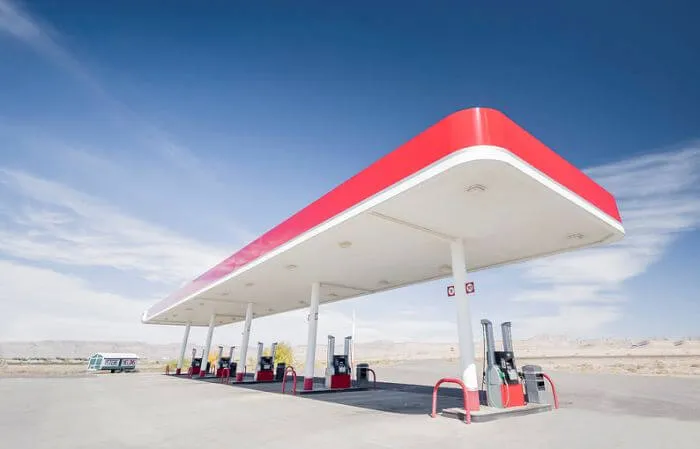

Houston continues to draw strong interest from fuel retail investors, and the reason is pretty straightforward. People drive a lot, and that demand for fuel does not slow down. The U.S. Energy Information Administration reports that gasoline use in the United States remains around 8.9 million barrels per day, reflecting how deeply fuel is embedded in everyday movement across the country, including Texas (Source: U.S. Energy Information Administration, Petroleum & Other Liquids).
At the same time, Houston’s population continues to rise. The U.S. Census Bureau estimates the metro area at more than 7.3 million residents. That kind of scale means constant traffic on highways, business routes, and local roads, all feeding steady demand for fuel stops and quick-service convenience points.
Every site comes with its own set of checks, from land conditions to approvals and access planning. The decisions made at this stage directly shape how the site performs later. In a city that never sleeps, getting those early steps right makes all the difference between an average site and one that actually holds its ground over time.
What Actually Shapes a Successful Gas Station Build in Houston
Location Selection Near Real Traffic Patterns
In Houston, a “good location” is not just a busy stretch of road. It is about how traffic actually behaves throughout the day. Some roads stay busy with office commuters; others see heavy traffic in the evening; and highways carry steady long-distance traffic.
Sites that sit naturally along these routes tend to perform better over time. The small details matter too. Easy entry, clear visibility, and a simple exit path often decide whether a driver pulls in or keeps going.
Land Conditions and Underground Risks
Ground conditions in Houston are not uniform. One area may support construction with little effort, while another may pose drainage issues or have softer soil that reacts poorly during heavy rain.
This is important because fuel stations depend on underground systems that require stable ground and proper water-flow control. When soil testing happens early, it reduces surprises later that can slow everything down or increase costs.
Permits, Zoning, and City Requirements
Before any physical work begins, approvals shape the entire timeline. Houston has specific zoning rules for fuel stations, and not every site qualifies without adjustments.
On top of that, fuel storage approvals and safety requirements take time. If this stage gets delayed or handled late, even a ready site can sit idle waiting for clearance.
Environmental Compliance and Fuel Safety Rules
Fuel stations operate under strict environmental rules, especially around underground storage tanks. Leak detection systems, spill prevention setups, and monitoring tools are all part of the design from day one.
These requirements do not sit on the side as paperwork. They directly influence how the station is built, from tank placement to drainage planning and safety access points. Missing any detail here can create delays during inspection stages.
Layout Design That Drives Customer Flow
The way a station is laid out directly affects how people use it. Pump placement, driving angles, and entry points all shape the customer experience without them even noticing.
When movement feels smooth, drivers are more likely to stop. When it feels tight or confusing, they usually skip it. If a store is part of the site, its position also plays a role in whether customers actually walk in after fueling.
Fuel Brand Partnerships and Supply Agreements
Working with a fuel brand changes more than the sign on the canopy. Each brand brings its own standards, design requirements, and supply terms that affect how the station is built and operated.
Some brands push higher fuel volume, while others focus more on inside-store sales. These priorities influence layout decisions, equipment placement, and long-term business direction.
Construction Timeline and Cost Planning
Gas station projects in Houston can move quickly, but only when planning stays tight. Weather shifts, approval delays, and material timing can all slow progress if they are not accounted for early.
Costs can also increase if changes occur during construction. A clear plan from the beginning helps reduce interruptions and keeps the project moving without constant adjustments.
Adding Convenience Retail for Higher Margins
Fuel brings people in, but retail sales often carry stronger margins. Snacks, drinks, and everyday essentials turn a quick stop into a higher-value visit.
Many stations also add services such as car washes or quick-service counters to increase per-customer spending. When the stop feels useful beyond fuel, repeat visits naturally grow over time.
Conclusion
A gas station in Houston only works well when the early decisions are solid. Location, soil, approvals, layout, and compliance all shape how the site performs long after opening. If any of these get rushed, problems usually show up later in cost, delays, or daily operations.
That is why the right construction partner matters. Arrant Construction focuses on getting those early steps right and building sites that run smoothly once they go live. For investors, that means fewer delays and a fuel station that stays functional in a competitive market like Houston.
For gas station projects in Houston that need experienced hands and practical know-how, Arrant Construction is the team to call.
FAQs
What factors matter most when building a gas station in Houston?
Location, soil conditions, approvals, environmental requirements, and layout all play a major role in how a gas station performs after it opens. Each factor affects both construction and long-term operations.
How long does it usually take to build a gas station?
The timeline varies based on permits, site conditions, and design complexity. Some projects move faster, while others take longer if approvals or ground work require extra time.
Do gas stations in Houston require special permits?
Yes, fuel stations require multiple approvals, including zoning clearance, fuel storage permits, and environmental compliance checks before construction can proceed.
Why is location so important for a gas station?
Location directly impacts traffic flow and customer volume. A site with strong visibility and easy access from major routes usually performs better over time.





















Sign in to leave a comment.