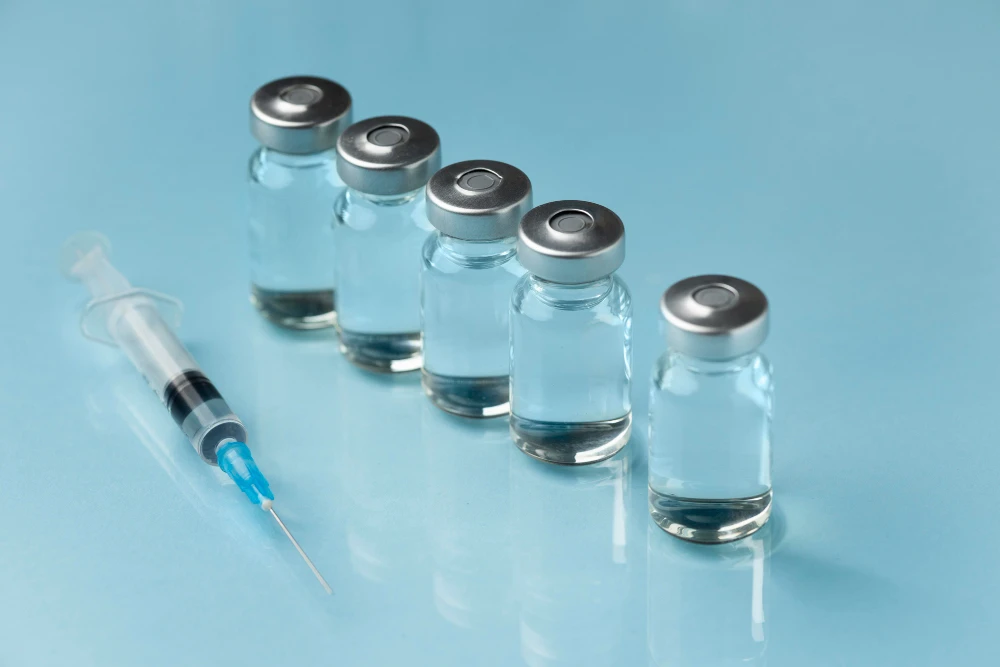

Healthcare systems worldwide are facing a dual challenge: rising treatment costs and growing demand for high-quality care. Hospitals, in particular, rely heavily on injectable medicines for critical treatments ranging from emergency care and surgeries to oncology and infectious diseases. However, the high cost of branded injectable drugs often places a financial strain on hospitals and patients alike.
Generic injectable medicines have emerged as a powerful solution to this challenge. Offering the same safety, quality, and therapeutic efficacy at significantly lower costs, they are transforming hospital economics and patient access to essential treatments. Insights from Generic Injectable Medicines Market Reports show that these medicines are becoming a cornerstone of cost-effective and sustainable healthcare delivery.

Understanding Generic Injectable Medicines
What Are Generic Injectable Medicines?
Generic injectable medicines are equivalent versions of branded injectable drugs that enter the market after patent expiration. They contain the same active ingredients, strength, dosage form, and route of administration, and they deliver the same clinical outcomes.
Because injectables must meet stringent sterility and quality standards, they are subject to rigorous regulatory oversight. Authorities such as the US FDA, EMA, and India’s CDSCO ensure compliance with Good Manufacturing Practices (GMP) before approval.
Why Injectables Are Essential in Healthcare
Injectable medicines play a critical role in hospital-based care due to their rapid onset of action and precise dosing. They are widely used in:
- Intensive care units (ICUs)
- Emergency and trauma care
- Cancer chemotherapy
- Anti-infective and antiviral therapies
- Surgical anesthesia and pain management
Given their importance, affordability and consistent supply of injectables are vital for effective healthcare delivery.
Key Benefits of Generic Injectable Medicines for Hospitals
Significant Reduction in Drug Procurement Costs
One of the most immediate benefits for hospitals is cost savings. According to Generic Injectable Medicines Market Reports, generic injectables can reduce drug acquisition costs by 30–70% compared to branded versions.
These savings enable hospitals to:
- Treat a larger number of patients
- Invest in advanced medical equipment
- Improve infrastructure and clinical services
Lower procurement costs also help public hospitals operate within constrained healthcare budgets.
Improved Budget Predictability and Financial Planning
Stable pricing and availability of generic injectables allow hospitals to forecast pharmacy expenses more accurately. This improves hospital cost management and reduces the risk of sudden budget overruns caused by price volatility of branded drugs.
Reduced Dependency on Single Suppliers
Generic markets typically involve multiple manufacturers, increasing competition and supply resilience. This diversification helps hospitals avoid shortages and ensures continuity of care—especially for critical medicines.
Benefits of Generic Injectable Medicines for Patients
Lower Out-of-Pocket Treatment Costs
In many healthcare systems, patients bear a significant portion of hospital expenses. Affordable generic injectables directly lower treatment bills, making advanced therapies accessible to a broader population.
This is particularly impactful for patients requiring long-term or high-cost treatments such as chemotherapy or intensive care.
Enhanced Access to Life-Saving Therapies
By lowering costs, generic injectables enable hospitals to stock a wider range of essential medicines. This improves patient access to timely treatment, reducing delays that can worsen clinical outcomes.
Assured Quality and Safety
A common concern among patients is whether lower-cost medicines compromise safety. However, Generic Injectable Medicines Market Reports emphasize that generics must meet the same stringent quality, sterility, and efficacy standards as branded drugs. As a result, patients receive reliable and effective treatment without added financial burden.
Operational Advantages for Healthcare Facilities
Streamlined Pharmacy and Inventory Management
Generic injectable medicines support efficient inventory management. Predictable pricing and consistent demand reduce overstocking and wastage, helping hospital pharmacies operate more efficiently.
Support for Value-Based Healthcare Models
As healthcare systems move toward value-based care, generic injectables align perfectly with goals of delivering high-quality outcomes at lower costs. They allow hospitals to balance clinical excellence with financial sustainability.
Market Trends Driving the Adoption of Generic Injectable Medicines
Rising Burden of Chronic and Acute Diseases
The growing prevalence of cancer, cardiovascular disorders, and severe infections is driving demand for injectable treatments. Hospitals are increasingly adopting generics as part of broader healthcare cost containment strategies.
Patent Expirations and Expanding Portfolios
Many high-revenue injectable drugs are losing patent protection, opening new opportunities for generic manufacturers. Generic Injectable Medicines Market Reports highlight strong growth in oncology injectables, anti-infectives, and hospital-administered therapies.
India’s Expanding Role in Global Supply
India has become a major hub for generic injectable manufacturing due to its cost efficiency, skilled workforce, and strong regulatory compliance. Indian manufacturers play a vital role in supplying affordable injectables to hospitals worldwide.
Challenges and Considerations
Complex Manufacturing and Quality Control
Injectable medicines require advanced aseptic facilities and continuous quality monitoring. Maintaining sterility and regulatory compliance involves high capital investment and operational expertise.
Supply Chain and Regulatory Barriers
Global supply chain disruptions and regulatory delays can affect availability. Strengthening local manufacturing and regulatory harmonization will be key to sustaining growth.
Future Outlook
The demand for generic injectable medicines is expected to rise steadily as hospitals seek cost-effective solutions without compromising care quality. Supported by innovation, regulatory confidence, and expanding healthcare needs, the market is poised for long-term growth.
Insights from Generic Injectable Medicines Market Reports suggest that strategic collaborations, capacity expansion, and government support will further enhance adoption across global healthcare systems.
Generic injectable medicines offer clear and measurable benefits for both hospitals and patients. They reduce treatment costs, improve access to essential therapies, enhance operational efficiency, and maintain high standards of safety and efficacy.
As healthcare systems strive for affordability and sustainability, generic injectables will remain a cornerstone of modern hospital care. Their growing adoption represents a critical step toward more inclusive, efficient, and resilient healthcare delivery worldwide.
























Sign in to leave a comment.