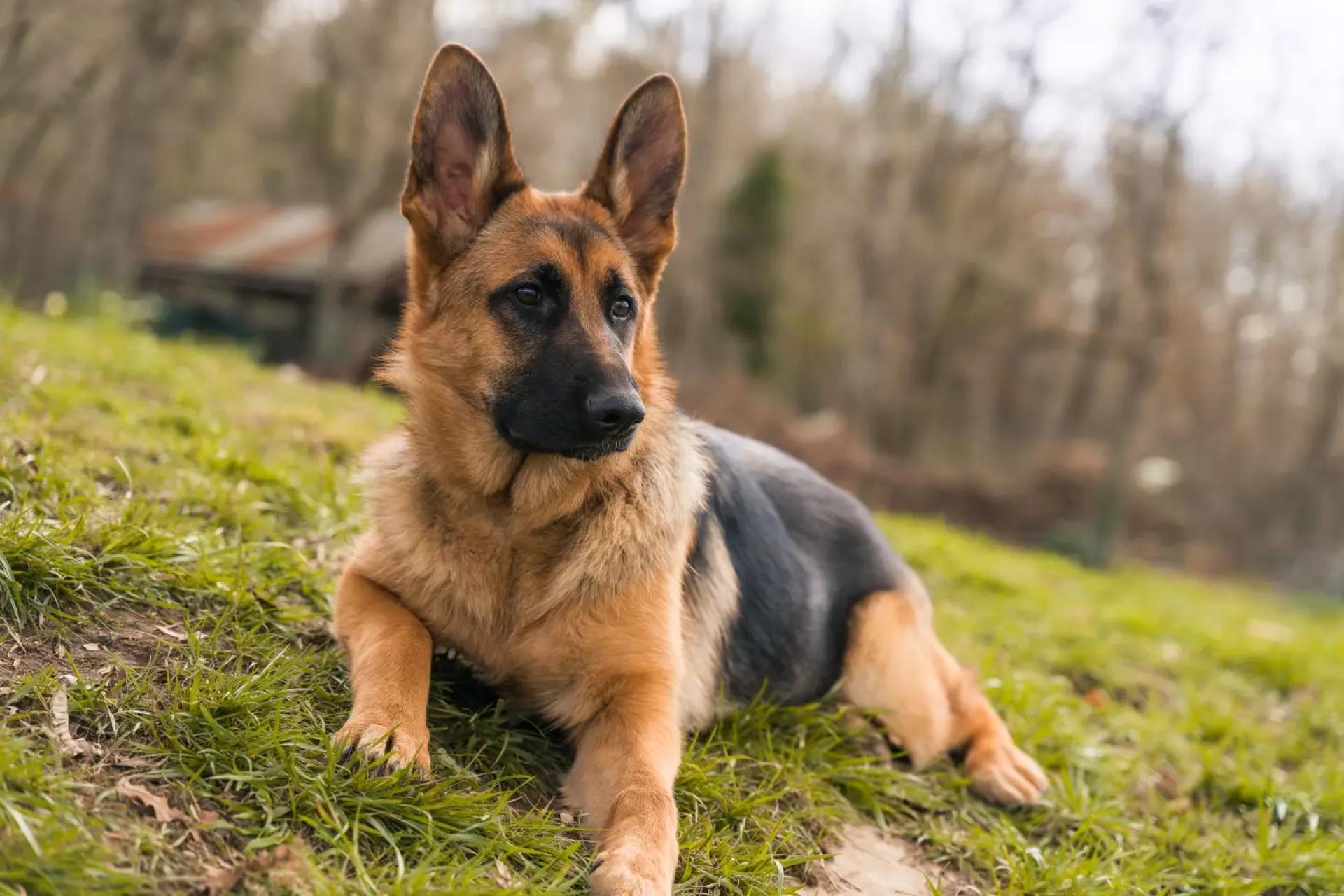

German Shepherds are one of the world’s most popular and respected dog breeds. Known for their loyalty, strength, and intelligence, they are trusted as family companions, working dogs, and service animals. If you are thinking about adding a German Shepherd to your family, this guide will help you learn about their appearance, personality, training, care needs, and health.
Appearance and Size
German Shepherds are large, muscular dogs with strong bodies and proud postures.
- Height: 22 to 26 inches at the shoulder
- Weight: 50 to 90 pounds
- Build: Athletic, powerful, and balanced
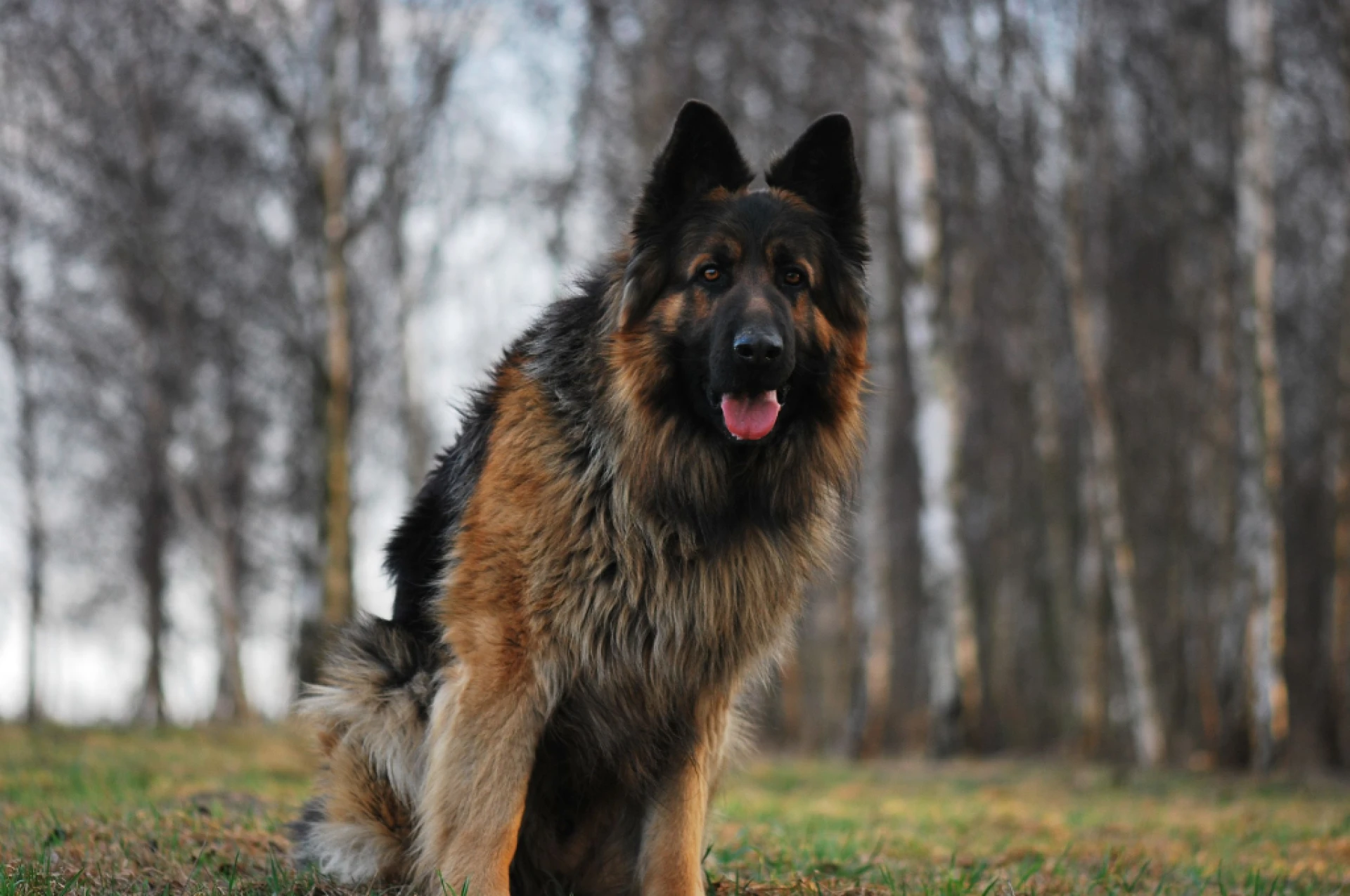
- Coat: Double coat, medium or long, thick and weather-resistant
- Colors: Black and tan, sable, solid black, all white, or bi-color
Their alert eyes and upright ears make them look confident and ready to work.
Personality and Temperament
Loyal and Protective
German Shepherds are deeply loyal to their families. They are protective by nature, making them excellent guard dogs. With early socialization, they are also gentle and loving around children.
Intelligent and Obedient
This breed is one of the most intelligent dogs. They learn quickly, follow commands well, and enjoy having tasks to do. Their obedience is why they are chosen for police, military, and service work.
Energetic and Active
German Shepherds are high-energy dogs. They need daily exercise to release their energy in healthy ways. Without activity, they can become bored or develop behavior issues such as chewing or barking.
Training and Socialization
Why Training Is Important
Training helps German Shepherds become well-behaved and confident. It also prevents unwanted behaviors that can happen when they are bored or under-stimulated.
Training Tips
- Start early: Begin when they are puppies.
- Be consistent: Use the same commands and rules.
- Use rewards: Praise, treats, and toys work best.
- Keep sessions short: 10–15 minutes works well.
- Stay patient: Training takes time and repetition.
Socialization
Expose your German Shepherd to:
- Different people (friends, strangers, children)
- Other dogs and pets
- New places and environments
- Sounds, objects, and activities
Early socialization makes them calm, confident, and less likely to be aggressive or fearful.
Exercise Needs
German Shepherds are working dogs, which means they have very high exercise needs.
Daily Exercise Goals
- At least 1 to 2 hours of activity every day
- Mix of physical and mental activities
Great Activities for German Shepherds
- Long walks or jogs
- Playing fetch or frisbee
- Swimming or hiking
- Agility or obedience training
- Tracking or scent games
These activities keep them strong and mentally sharp.
Grooming and Coat Care
Shedding
German Shepherds are sometimes called “German Shedders.” They shed all year and even more during spring and fall.
Grooming Routine
- Brushing: 3–4 times a week with a slicker brush or undercoat rake
- Bathing: Only every few months, unless dirty
- Nail trimming: Every 3–4 weeks
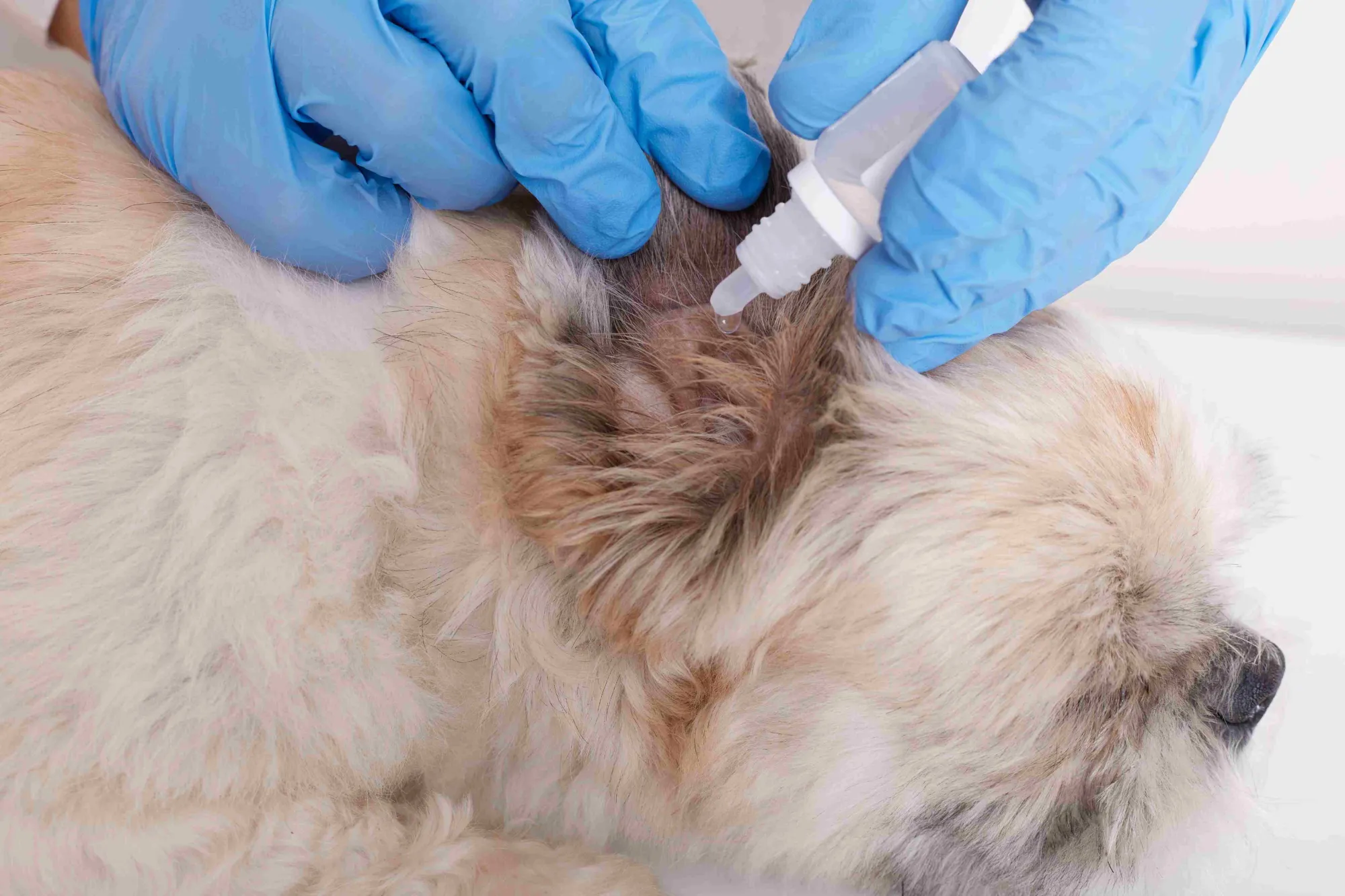
- Ear cleaning: Regularly to avoid infections
- Teeth brushing: A few times a week to maintain oral health
Good grooming keeps them comfortable and reduces shedding around the house.
Health and Lifespan
German Shepherds are strong, active dogs, but like all breeds, they can face certain health issues. Knowing these risks and their typical lifespan helps owners give them the best care possible.
Lifespan
The average lifespan of a German Shepherd is 7 to 10 years, but some live longer with excellent care.
Common Health Problems
Like many large breeds, they may face certain conditions:
- Hip and elbow dysplasia (joint problems)
- Degenerative myelopathy (spinal issue)
- Allergies and skin problems
- Bloat (life-threatening stomach twist)
- Arthritis in older age
Preventive Care
- Regular vet check-ups
- Balanced diet and proper weight management
- Exercise for strong muscles and joints
- Buying from a breeder who screens for genetic problems
Feeding and Nutrition
German Shepherds are active and need the right fuel to stay healthy.
Puppy Nutrition
- High-quality puppy food
- Rich in protein and calcium for growth
- Several small meals daily
Adult Nutrition
- 2–3 balanced meals per day
- Protein-rich food with healthy fats
- Watch portions to prevent obesity
Senior Nutrition
- Fewer calories to maintain healthy weight
- Joint-support supplements like glucosamine
- Easy-to-digest foods
Always provide fresh water and avoid overfeeding.
Costs of Ownership
Owning a German Shepherd can be expensive. Be ready for these common costs:
- Purchase price: $800–$2,500 depending on breeder and bloodline
- Food: $50–$100 per month for high-quality food
- Veterinary care: Annual checkups, vaccines, and possible emergency care
- Training classes: Group or private sessions
- Grooming supplies: Brushes, shampoo, and nail clippers
- Toys and accessories: Leashes, collars, crates, and bedding
They are a long-term commitment of both money and time.
Is the German Shepherd Right for You?
German Shepherds are not the right dog for everyone. They do best with owners who are active, patient, and committed to daily exercise and training.
Best Homes for German Shepherds
- Families with space and time for exercise
- Active singles or couples
- People interested in training, sports, or working activities
- Owners who want a protective yet loving companion
If you are looking for a loyal, intelligent, and hardworking dog, the German Shepherd may be the perfect breed for you.
Final Thoughts
The German Shepherd is a breed of strength, loyalty, and intelligence. They need plenty of training, exercise, and attention, but the reward is a devoted friend who will protect and love your family. With proper care, your German Shepherd can be both a playful companion and a trusted guardian for many years.


























Sign in to leave a comment.