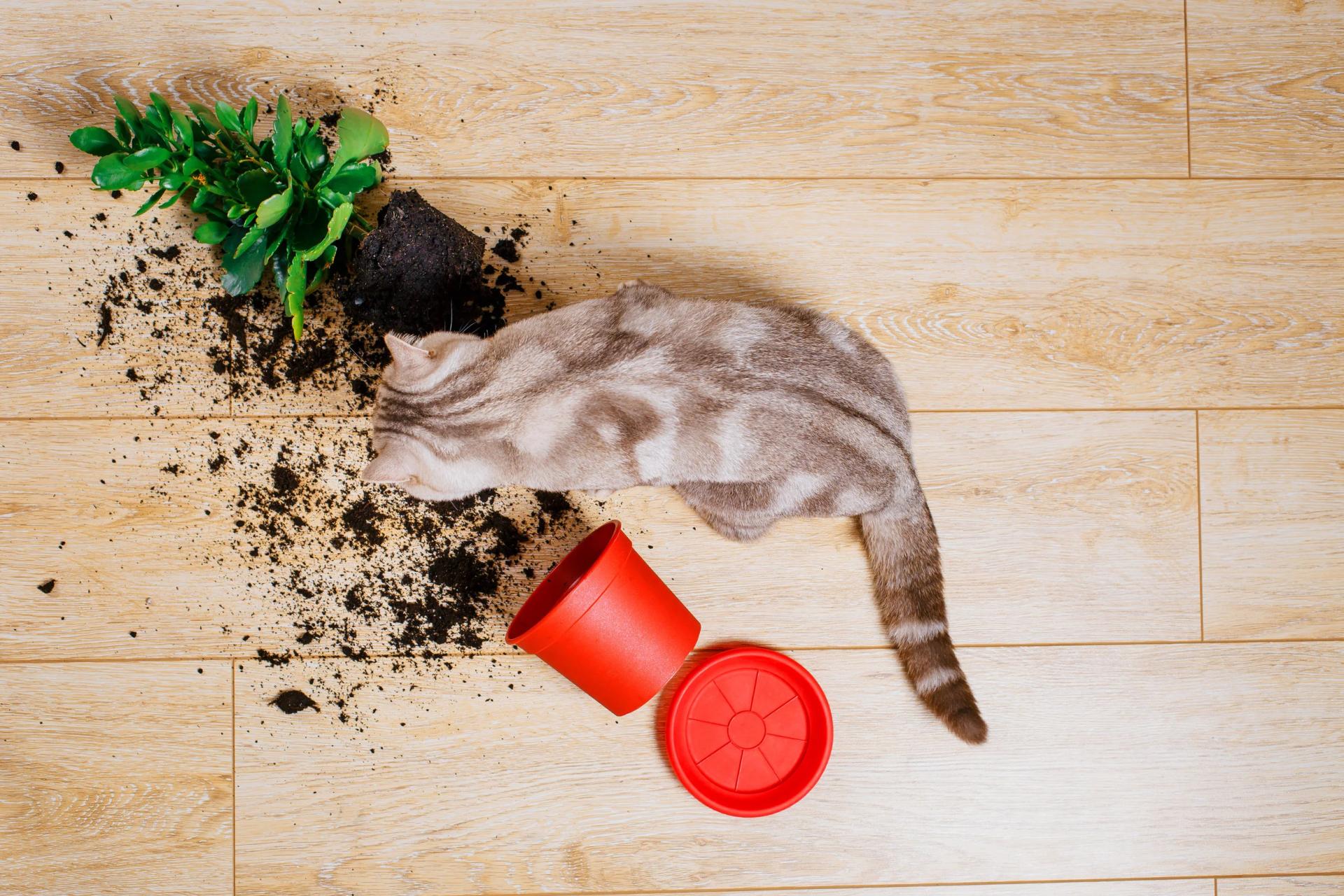

If you own a cat, you have probably seen them push a cup off the table or bat a small item onto the floor. This behavior can be frustrating, confusing, and sometimes amusing. Many cat owners ask, “Why do cats knock things over?” The answer lies in their instincts, playfulness, and natural curiosity. Understanding this behavior helps you manage it while keeping your cat happy and safe.
Understanding Cat Behavior
Cats have unique personalities and instincts that influence their actions. They are naturally curious and love to explore their environment. Knocking objects over is often a way for cats to interact with the world around them.
Curious Cats Explore Their Environment
Curiosity is one of the strongest traits of cats. They use their paws to test objects, check balance, or see how things react. When your cat knocks something off a table, it is often investigating cause and effect. This behavior is normal and is part of their natural instincts.
Attention-Seeking Behavior
Cats quickly learn that knocking items over gets a reaction from their humans. Whether it’s positive or negative attention, cats may repeat the behavior if it brings a response. This is especially common in cats that feel lonely or bored.
Common Reasons Cats Knock Things Over
1. Playfulness
Cats, especially kittens and young adults, are playful creatures. Knocking objects over mimics hunting behavior. Items like pens, cups, or small decorations become toys for batting, pouncing, and swiping. Playtime is an important part of a cat’s life and helps them stay healthy and active.
2. Boredom
When cats do not get enough mental or physical stimulation, they can become bored. Bored cats often find creative ways to entertain themselves, including knocking things over. Providing toys, climbing structures, and interactive play can reduce this behavior.
3. Hunting Instincts
Cats are natural hunters. Even indoor cats have strong hunting instincts. Swatting, batting, and knocking objects off surfaces is a way to practice hunting skills safely. This behavior is a normal part of cat behavior and does not necessarily mean your cat is misbehaving.
4. Stress and Territory
Sometimes, cats knock things over to express stress or mark territory. Changes in the home, loud noises, new pets, or visitors can make cats anxious. Observing your cat’s behavior can help you identify if stress is causing the problem.
5. Testing and Learning
Cats are intelligent creatures. Knocking objects over helps them understand weight, balance, and movement. Curious cats often experiment with their surroundings to learn more about their environment.
How to Manage This Behavior
While knocking things over is natural, there are ways to reduce the behavior and protect your home.
1. Provide Engaging Toys
Offering a variety of toys can redirect your cat’s energy. Puzzle feeders, balls, and interactive toys keep your cat busy and mentally stimulated. Playtime encourages positive outlets for your cat’s natural instincts.
2. Create Safe Spaces
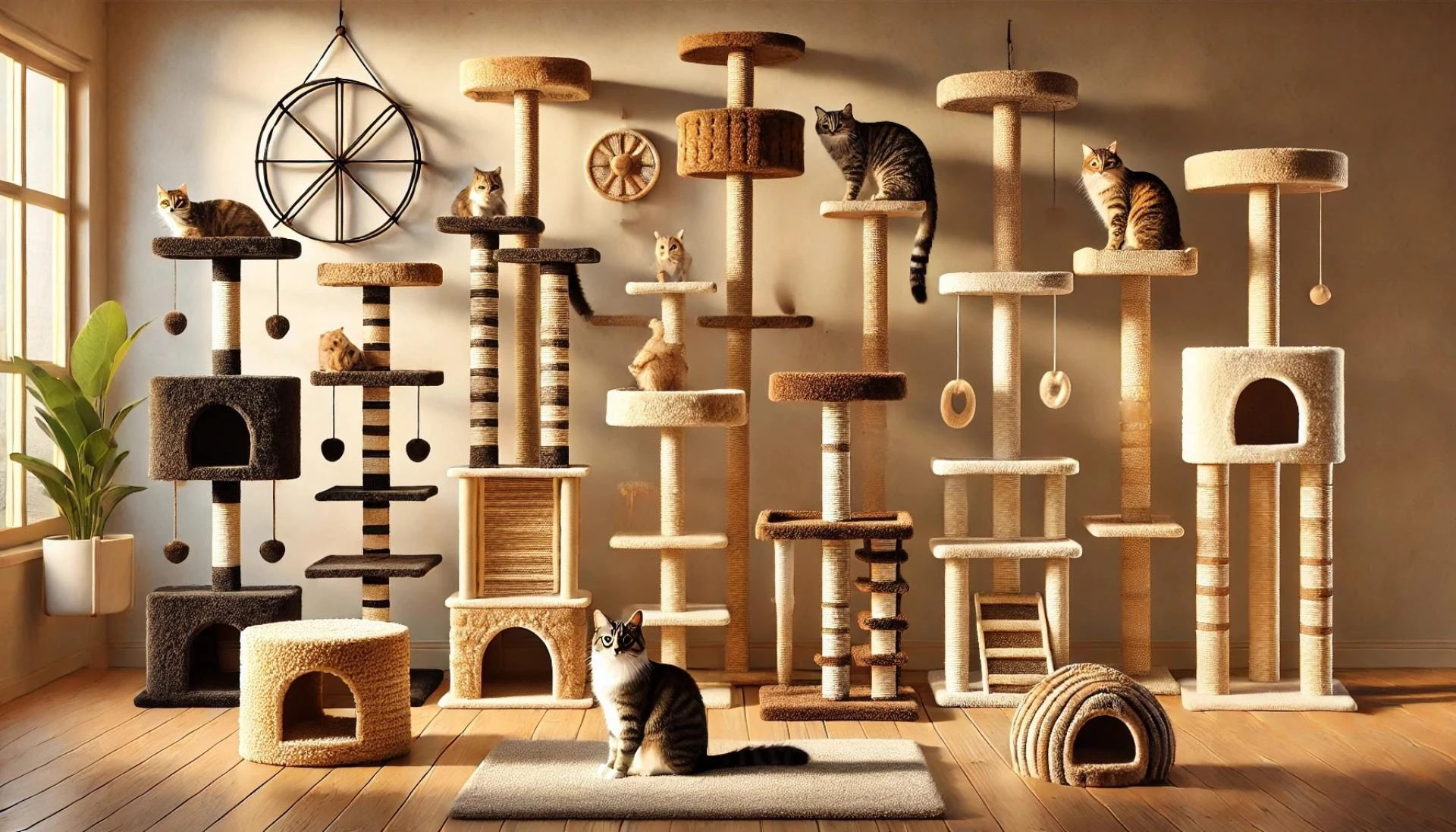
Designate a play area for your cat. Keep fragile items out of reach and provide shelves, climbing trees, or perches. This allows cats to explore and play without damaging household objects.
3. Avoid Reinforcing the Behavior
Do not overreact when your cat knocks things over. Attention, even negative, can encourage them to repeat the action. Calmly clean up the mess and redirect your cat to toys or interactive play instead.
4. Training and Positive Reinforcement
Reward your cat when it engages in appropriate play with toys rather than household items. Positive reinforcement teaches your cat that toys, not fragile objects, are the correct outlets for their energy.
5. Monitor Health and Stress
Excessive knocking or sudden behavior changes can sometimes indicate illness or stress. If your cat’s behavior seems extreme or is accompanied by other unusual signs, consult a veterinarian.
When to Seek Professional Help
If your cat frequently knocks things over, shows signs of stress, or has sudden behavioral changes, it is important to seek professional advice. A veterinarian or a certified cat behaviorist can help determine if there is an underlying medical or psychological issue. Early intervention often prevents long-term problems.
Final Thoughts
So, why do cats knock things over? The answer usually combines playfulness, curiosity, hunting instincts, and attention-seeking behavior. Most cats do this naturally, and it is not a sign of bad behavior. By providing toys, creating safe spaces, and offering positive reinforcement, you can manage this habit effectively.
Remember, knocking things over is a part of cat behavior, and curious cats will always find ways to explore their surroundings. Patience, observation, and care can help ensure your cat is happy while keeping your home safe.
For more tips on understanding and managing cat behavior, visit Focus Pet Care, your trusted source for keeping pets healthy and happy.





























Sign in to leave a comment.