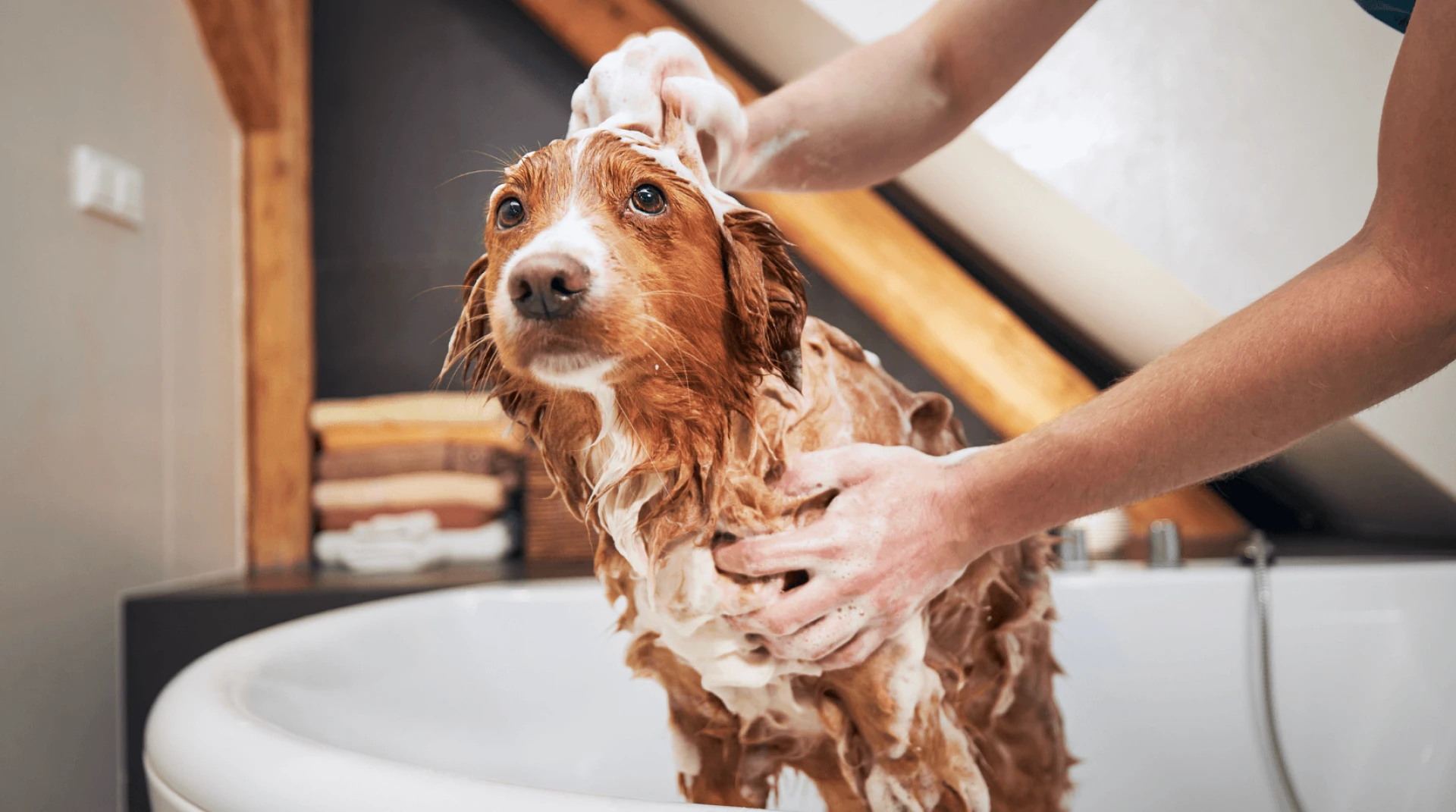

Grooming your dog at home is easier than you think. It saves money, builds trust between you and your pet, and keeps your dog looking and feeling great. Whether you have a fluffy pup or a short-haired breed, grooming helps prevent health problems and makes life better for both of you.
This guide will teach you how to groom a dog at home with simple steps and easy tools.
Why Grooming Your Dog Is Important
Grooming isn’t just about looks. It’s about your dog’s health and comfort. A clean coat keeps skin healthy. Trimmed nails help your dog walk better. Brushing helps reduce shedding and keeps hair off your couch.
Regular grooming also gives you a chance to check for:
- Fleas or ticks
- Dry patches or cuts
- Bumps or swelling
- Changes in skin or fur
Catching these signs early can help you avoid bigger problems.
What You Need Before You Start
Before you start grooming, gather your tools. Here’s what most dog owners need:
- Dog brush or comb
- Dog-safe shampoo
- Towels
- Nail clippers or a grinder
- Dog toothbrush and toothpaste
- Clippers (for haircuts, if needed)
- Cotton balls (for ear cleaning)
Always use products made for dogs. Human shampoo and toothpaste can be harmful to pets.
Step-by-Step Guide: How to Groom a Dog
1. Brushing the Coat
Start with brushing. It removes loose hair, dirt, and tangles. Brush gently, especially if your dog has long hair or a thick coat.
- Short-haired dogs: Brush once a week.
- Long-haired dogs: Brush a few times a week to avoid mats.
This step also helps your dog relax before bath time.
2. Bathing Your Dog
You don’t need to bathe your dog often, once every 4–6 weeks is fine for most. Overbathing can dry out the skin.
Steps:
- Use lukewarm water
- Wet your dog slowly
- Lather dog-safe shampoo
- Avoid eyes and ears
- Rinse well
- Dry with a towel or blow dryer on low
Make sure your dog is fully dry before moving on.
3. Trimming Nails
If you hear clicking when your dog walks, it’s time for a trim. Long nails can cause pain or even injury.
- Use dog nail clippers or a nail grinder
- Clip a little at a time
- Avoid the pink part (quick) inside the nail
- Reward your dog after!
If you’re unsure, ask your vet or groomer for a quick demo.
4. Cleaning Ears
Dogs’ ears can trap dirt and moisture. Clean them gently to prevent infections.
- Use a vet-approved ear cleaner
- Dampen a cotton ball (never a Q-tip)
- Wipe the outer ear only
- Don’t push anything deep inside
If you notice a bad smell or redness, call your vet.
5. Brushing Teeth
Dental health is important. Try brushing your dog’s teeth 2–3 times a week.
- Use dog toothpaste and a dog toothbrush
- Let your dog taste the paste
- Lift the lip and brush gently
- Focus on the back teeth where plaque builds up
There are also dental chews and toys that help with cleaning.
6. Haircuts (If Needed)
Not all dogs need haircuts. Breeds like Poodles or Shih Tzus may need regular trims.
- Use pet clippers
- Go slowly and safely
- Clip with the grain of the hair
- Avoid sensitive areas
If you’re nervous, take your dog to a professional for the first trim.
Tips to Make Grooming Easier
- Start young: Get puppies used to grooming early
- Go slow: Let your dog sniff the tools
- Use treats and praise: Reward calm behavior
- Be patient: Don’t force it if your dog is scared
- Keep sessions short and fun
When to See a Pro Groomer
Sometimes, it’s best to let a pro handle it. Call a groomer if:
- Your dog has very thick or matted hair
- You’re nervous about trimming nails
- Your dog gets very anxious
- Your dog has skin or coat issues
A good groomer knows how to handle tricky grooming jobs with care.
Final Thoughts
Now you know how to groom a dog at home! With the right tools and a calm approach, you can make grooming a positive part of your routine. Your dog will be cleaner, healthier, and happier, and you’ll feel proud knowing you did it yourself.
Focus Pet Care is here to help you every step of the way. Keep your pet’s health a top priority with regular grooming and lots of love.























Sign in to leave a comment.