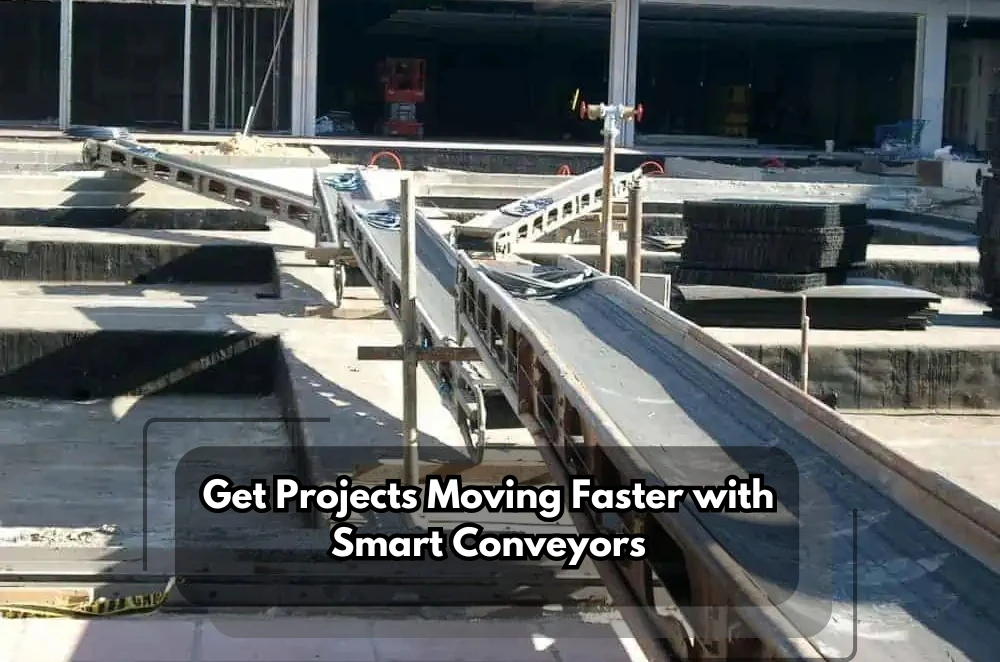

When deadlines stack up and labour’s tight, the most imaginative play is removing friction, literally. Conveyors handle the grunt work hour after hour, keeping product flowing while crews focus on higher-value tasks. Whether you’re scaling a warehouse or smoothing a production line, the benefits of hiring a conveyor are clear: faster throughput, fewer manual handling risks, and clean, predictable costs. Hiring models gives you flexibility without the capital investment, allowing you to surge during peak periods and then scale back. And because today’s systems are modular, setup is quick, maintenance is light, and uptime stays high. In short: less mucking around, more work out the door, and happier customers at dispatch.
How do conveyors cut downtime fast?
They standardise flow and reduce manual touches, so bottlenecks shrink quickly. Crews spend more time producing and less time fixing delays.
Automated movement evens out pacing between stations and trims fatigue-related errors. Consistent takt time enables supervisors to forecast output by the hour, thereby tightening labour plans and limiting overtime blowouts. Ergonomic handling aligns with safety guidelines from Safe Work Australia and similar regulators, helping to reduce strain from repetitive lifting. Variable speed controls balance upstream and downstream tasks, so queues don’t snake back across the floor. Add simple rules, clear handoff points, and no unnecessary walking—and the line feels calmer by the second shift.
• Stabilise line speed with variable drives
• Remove walk-time using smart handoffs
• Add guarding and e-stops for safety
What should teams check before hiring a conveyor?
Start with product, path, and site limits. Then match the belt width, rollers, and controls to the work.
Define weights, dimensions, base materials, transfer points, gradients, and available power. From there, match features to outcomes: load rating, belt compound, side guides, and start/stop frequency. Mobility, skates, adjustable stands, modular sections, and decide how quickly you can reconfigure for seasonal spikes or a new client. Safety matters too: guarding, isolation points, emergency stops, and clear signage help protect people and uptime. For practical ways to elevate standards and reduce incidents, implementing effective conveyor safety practices can help teams establish procedures that are consistently followed on the floor. Finally, choose a hire partner who can deliver quickly, commission on site, and support you with spares.
• Confirm belt width vs product base
• Verify guarding, e-stops, isolation points
• Test layout for merges, curves, gradients
• Plan spares and on-site commissioning
Will hiring a conveyor deliver a quick ROI?
Yes. You avoid the capital slug, start fast, and pay only while the conveyor earns its keep.
Most teams see gains within days as throughput increases and risk handling improves. Hiring also de-risks change: trial a configuration, gather data, refine the layout, then scale what works. If a contract ends or your SKU mix flips, you’re not stuck with a static asset; you simply redeploy modules. That agility compounds across the quarter: fewer injuries, steadier pacing, tighter ETAs, and cleaner DIFOT metrics. It’s a simple loop, less friction, more flow, better margins.
For a checklist that helps match system types to workloads and workflows, choosing the right conveyor is a handy cross-check to sanity-test your following setup. When you want momentum without baggage, hire the conveyor, bank the wins, and move on to the next job.



























Sign in to leave a comment.