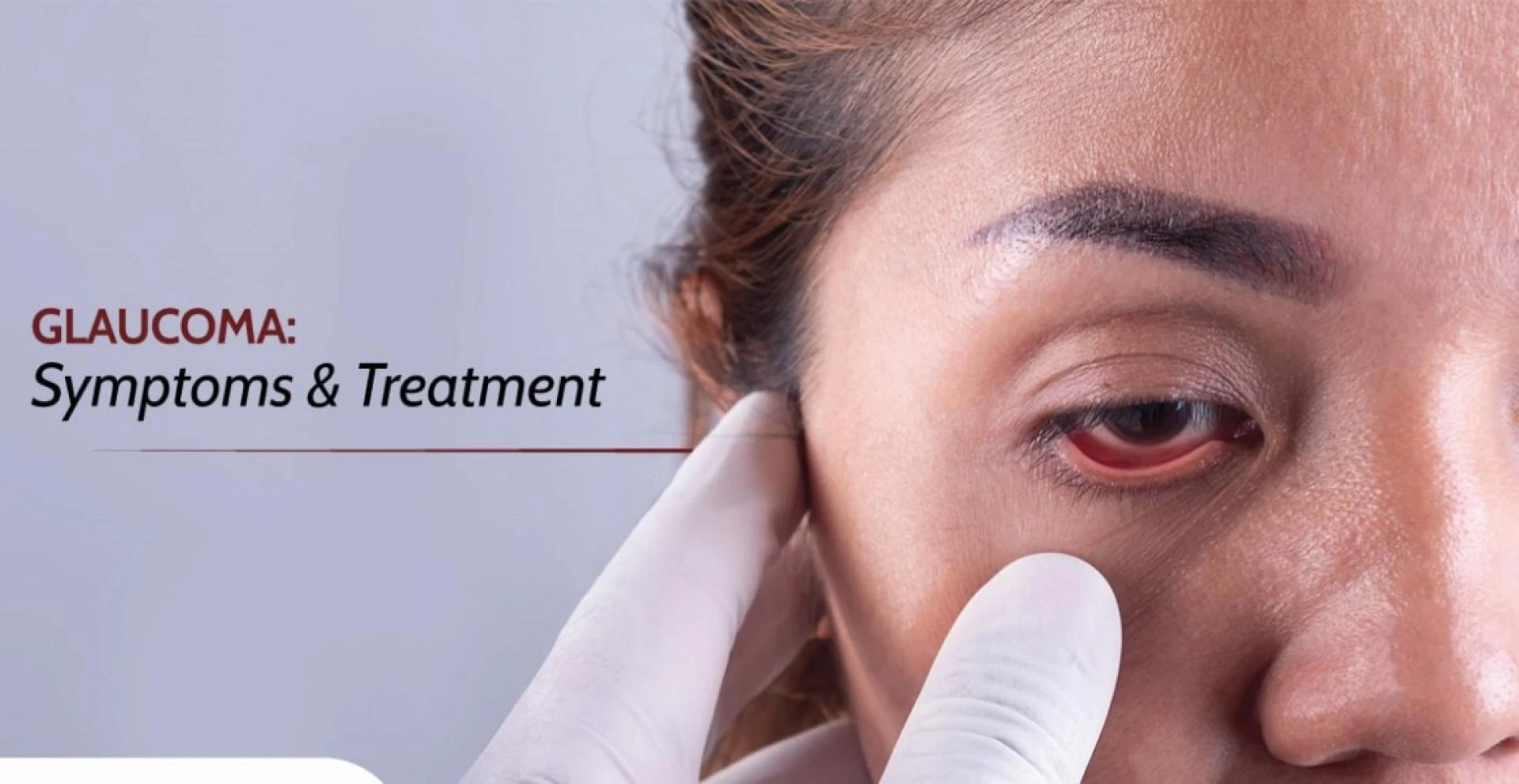
When it comes to eye health, few conditions are as insidious — and as overlooked — as glaucoma. Often called the “silent thief of sight,” glaucoma can sneak up without warning, slowly robbing people of their vision before they even realize something’s wrong. But with awareness, early detection, and proper care, the effects of this vision-threatening condition can be managed — if not entirely prevented.
What Is Glaucoma?
Glaucoma isn’t just one disease; it’s actually a group of eye disorders that damage the optic nerve, the vital cable that connects your eyes to your brain. Most often, this damage is due to increased pressure within the eye, known as intraocular pressure (IOP). Over time, this pressure can lead to irreversible vision loss, especially in peripheral (side) vision.
There are several types of glaucoma, but the two most common are:
· Primary Open-Angle Glaucoma (POAG): The most prevalent form, progressing slowly and painlessly.
· Angle-Closure Glaucoma: Less common but more urgent, with a sudden rise in eye pressure causing symptoms like headaches, nausea, and blurred vision.
Why Is It Called the “Silent Thief”?
One of the scariest things about glaucoma is that it often has no early symptoms. Vision loss typically begins at the edges — your peripheral vision — and many people don’t notice until it significantly affects their daily lives. By the time symptoms are obvious, the damage is usually permanent.
That’s why glaucoma is a leading cause of blindness worldwide, especially among older adults.
Who Is at Risk?
Anyone can develop glaucoma, but some people are at higher risk, including:
· Adults over age 60 (over 40 for African Americans)
· People with a family history of glaucoma
· Individuals with diabetes or high blood pressure
· People who have had eye injuries
· Those who are severely nearsighted
How Is Glaucoma Diagnosed?
The only way to detect glaucoma early is through a comprehensive eye exam. During your visit, your eye doctor may:
· Measure your eye pressure
· Examine the optic nerve
· Test your peripheral vision
· Use imaging to monitor changes over time
Routine eye exams are critical — especially after age 40 — because early glaucoma often presents no pain, no redness, and no vision changes.
Can Glaucoma Be Treated?
Yes — but it can’t be cured. The goal of treatment is to slow or stop the progression of vision loss. Depending on the type and stage of glaucoma, treatment may include:
· Prescription eye drops to lower eye pressure
· Oral medications
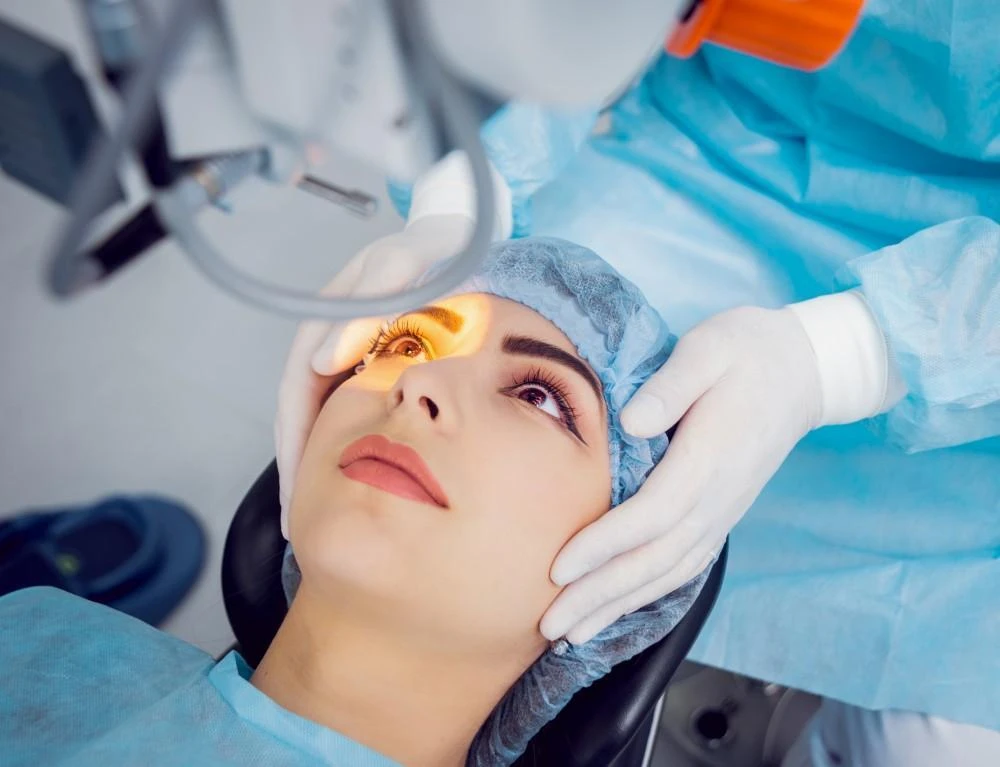
· Laser therapy
· Surgery, in advanced or unresponsive cases
Early treatment can preserve your remaining vision, which is why catching it early makes all the difference.
Protecting Your Sight
Here’s how you can guard against glaucoma:
· Get regular eye exams (every 1–2 years, or as recommended)
· Know your family history
· Maintain a healthy lifestyle, including managing diabetes and blood pressure
· Protect your eyes from injuries, which can increase glaucoma risk
· Follow your eye doctor’s advice and stick to treatment plans
Final Thoughts
Glaucoma may be silent, but it doesn’t have to be invisible. With proactive care and regular screenings, you can detect it early — before it steals your sight. Don’t wait for symptoms. If you haven’t had an eye exam in a while, consider this your reminder: book one today. Your future self will thank you.
Where to do Glaucoma Treatment in Kolkata:
For comprehensive glaucoma treatment in Kolkata, Renuka Eye Institute is known for high surgical volume and affordable diagnostic packages.
Why Renuka Eye Institute Leads Glaucoma Treatment in Kolkata
Renuka Eye Institute has emerged as a leading center for glaucoma diagnosis and treatment, setting a high standard in both clinical excellence and affordability.
Expertise & Specialization
The institute houses a dedicated glaucoma unit managed by experienced ophthalmologists, who specialize in complex glaucoma cases. Their expertise spans both medical and surgical management, including trabeculectomy, laser therapies, and minimally invasive glaucoma surgery (MIGS).
Advanced Diagnostics
Renuka Eye Institute is equipped with state-of-the-art tools such as:
· Optical Coherence Tomography (OCT)
· Visual Field Testing (Perimetry)
· Applanation Tonometry
· Gonioscopy and Fundus Photography
These technologies ensure early detection and precise monitoring of disease progression, which are critical in preventing irreversible vision loss.
Affordable & Accessible Care
Unlike many high-end eye hospitals, Renuka offers cost-effective glaucoma treatment packages (e.g., ₹15,000 for complete surgical care with diagnostics) and accepts government health schemes and insurance, making it accessible to a wider population without compromising on quality.
Patient-Centered Approach
The institute emphasizes long-term glaucoma management, providing:
· Personalized treatment plans
· Regular follow-ups
· Education on medication adherence and lifestyle adjustments
Proven Track Record
With over 500 successful glaucoma surgeries, Renuka Eye Institute has earned the trust of thousands of patients from both urban and rural Bengal, making it a top choice for glaucoma care in Kolkata.




























Sign in to leave a comment.