
Heating decisions on an oilfield tank farm don't get the strategic attention they deserve until something goes wrong — a glycol system that can't keep up during a cold snap, a heater configuration that creates ignition risk in a classified area, or a maintenance burden that's consuming more field time than the heating system is worth. By that point, the decision has already been made and changing it mid-operation is expensive and disruptive.
Getting the heating selection right from the start requires understanding what each technology actually does well, where each one creates operational complications, and how the specific characteristics of your tank farm — fluid type, throughput, site classification, remoteness, and winter operating requirements — should drive the choice. The glycol versus flameless heater conversation isn't about which technology is categorically better. It's about which one fits the application.
How Glycol Heaters Work and Where They Excel
A glycol heater circulates a heated glycol-water mixture through coils or tubes immersed in the tank or process vessel, transferring heat indirectly to the fluid being warmed. The combustion happens in a separate firebox, away from the process fluid, which makes glycol heating a well-established approach for applications where direct flame exposure to the product is unacceptable.
Glycol systems are effective across a wide range of heating applications — crude oil tanks, produced water vessels, emulsion treaters, and process lines that need to maintain temperature in cold weather. They're a mature technology with a well-understood maintenance profile, readily available parts, and a broad base of field experience among oilfield operators and service technicians across Alberta.
Where glycol heaters create complications is in applications where the heating load is variable, the system needs to operate unattended for extended periods, or the site classification creates constraints around open flame equipment. Glycol systems require monitoring, regular maintenance of the burner and combustion components, and attention to glycol concentration and condition to prevent freeze-up of the heating loop itself — a particular concern on remote sites where daily checks aren't practical.
The regulatory requirements around fired equipment in Alberta also apply fully to glycol heaters. Burner management system compliance, ABSA inspection requirements, and the certification obligations that come with operating fired pressure equipment are all part of the operating picture — and they require ongoing attention, not just a one-time installation sign-off. Operators managing health, safety, and environmental compliance on oilfield facilities need to account for the full regulatory burden of glycol heater operation, not just the purchase or rental cost of the equipment itself.
How Flameless Heaters Work and What Makes Them Different
Flameless heaters — catalytic or indirect-fired units that produce heat through a chemical oxidation process rather than an open flame — operate fundamentally differently from glycol systems. Because there's no open flame, flameless heaters can be used in classified hazardous areas where conventional fired equipment isn't permitted without additional engineering controls. That capability opens up heating applications that glycol heaters can't serve without significant site modification.
The other defining characteristic of flameless heaters is their suitability for unattended operation. Modern flameless units are designed to run continuously without daily operator intervention — a critical advantage on remote oilfield leases where site visits are infrequent and the heating system needs to maintain process temperatures reliably between those visits. Combined with low humidity exhaust that won't introduce moisture into sensitive process environments, flameless technology addresses several operational constraints that glycol systems struggle with.
NexSource's flameless and conventional heater rental fleet includes dry breathable flameless units producing up to 1.2 million BTU — portable, unmanned-capable, and suited for applications ranging from tank farm heating to industrial thawing and freeze protection across Alberta's winter operating season.
Matching the Technology to the Tank Farm Application
For a tank farm heating application, the decision between glycol and flameless comes down to several site-specific factors that need to be evaluated honestly rather than defaulted to the familiar option.
Hazardous area classification is the first filter. If the tanks being heated contain volatile hydrocarbons and the area around them is classified as Zone 1 or Zone 2 under the applicable electrical area classification standard, open flame equipment requires careful positioning and engineering review. Flameless heaters remove that constraint entirely — they can operate within classified areas without creating additional ignition risk, which simplifies both the installation engineering and the ongoing compliance management.
Throughput and heating load stability is the second consideration. Glycol systems are well-suited to applications with consistent, predictable heating loads where the system can be tuned to steady-state operation. For applications with highly variable throughput — tanks that receive batch inputs of cold fluid, or facilities where production rates swing significantly — flameless heaters often respond more effectively to load variation without the thermal lag that glycol systems can exhibit.
Remoteness and maintenance access is the third factor, and on many Alberta oilfield leases it's the deciding one. A glycol heater on a remote lease that requires weekly burner checks, monthly glycol analysis, and periodic combustion servicing is a maintenance commitment that adds up quickly when every site visit requires a two-hour drive each way. Flameless heater rental for remote tank farm applications reduces that maintenance burden significantly — the units are designed for extended autonomous operation, and when servicing is required, the rental provider handles it rather than the operator.
Integration With Power Generation and Instrumentation Systems
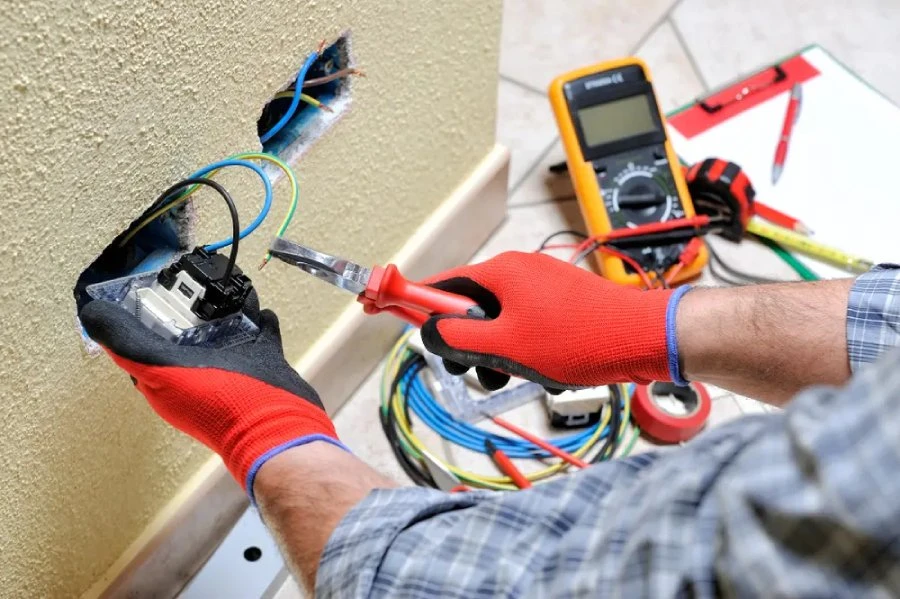
Tank farm heating rarely operates in isolation. On a fully instrumented oilfield facility, heater operation ties into temperature monitoring, process control logic, and potentially SCADA communication — meaning the heating system selection affects the instrumentation and control architecture of the broader facility. A glycol heater with a full burner management system has a different integration footprint than a flameless unit with simple temperature setpoint controls.
For facilities where heating is being added to an existing instrumented process, electrical and instrumentation integration of the heater into the site control system is part of the installation scope — not something to figure out after the heater is already on site. Getting the control integration right from the start ensures the heating system operates as part of the facility's process management rather than as a standalone unit that operators have to monitor separately.
For applications requiring a purpose-built heating and power solution — a integrated skid combining generation, heating, and instrumentation in a single deployable package — NexSource's custom fabrication capability covers that scope from design through field installation, with the engineering done upfront rather than adapted in the field.
Make the Decision Based on the Application, Not the Default
The oilfield heating conversations that produce poor outcomes are the ones where the choice is made by default — glycol because that's what the facility has always used, or flameless because someone heard it was newer technology — rather than by working through what the specific application actually requires. Both technologies have legitimate places in a well-managed tank farm. The right one for your site depends on the hazardous area classification, the heating load profile, the remoteness of the location, and the maintenance resources available to support the system over its operating life.
NexSource Power operates across Red Deer, Edmonton, Grande Prairie, and Drayton Valley with a heater rental fleet and technical team that can work through the application requirements with you before equipment gets deployed. Contact NexSource to discuss your tank farm heating requirements and get a recommendation based on what your site actually needs rather than what's easiest to put on a truck.



















Sign in to leave a comment.