When it comes to staying organized and actually achieving your goals, the tools you choose matter more than you think. Today, the debate between Goal Boards and digital planning tools is more relevant than ever. Both promise better productivity, clearer focus, and improved goal tracking—but which one truly delivers?
Let’s break it down in a practical, no-nonsense way.
What Are Goal Boards?
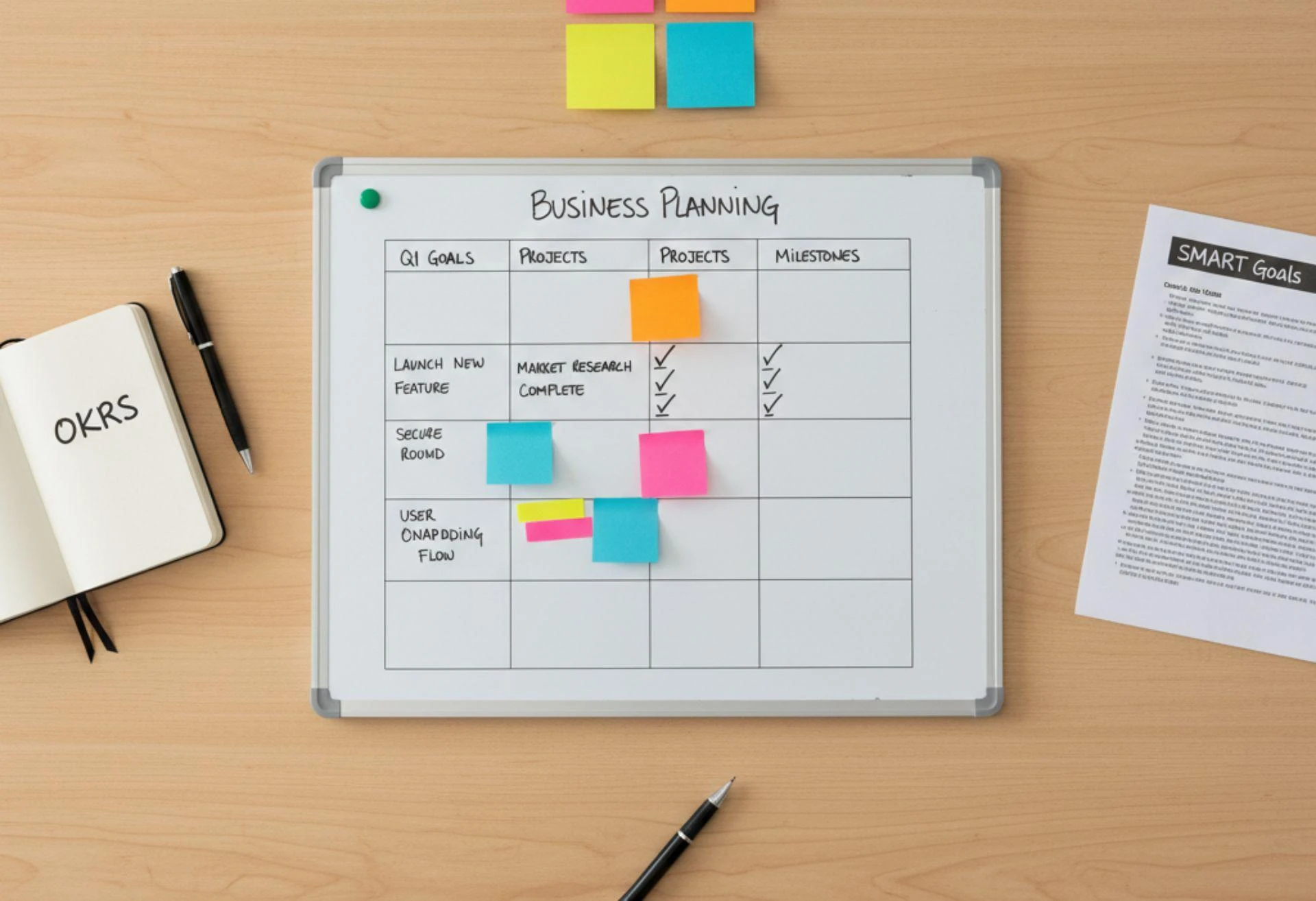
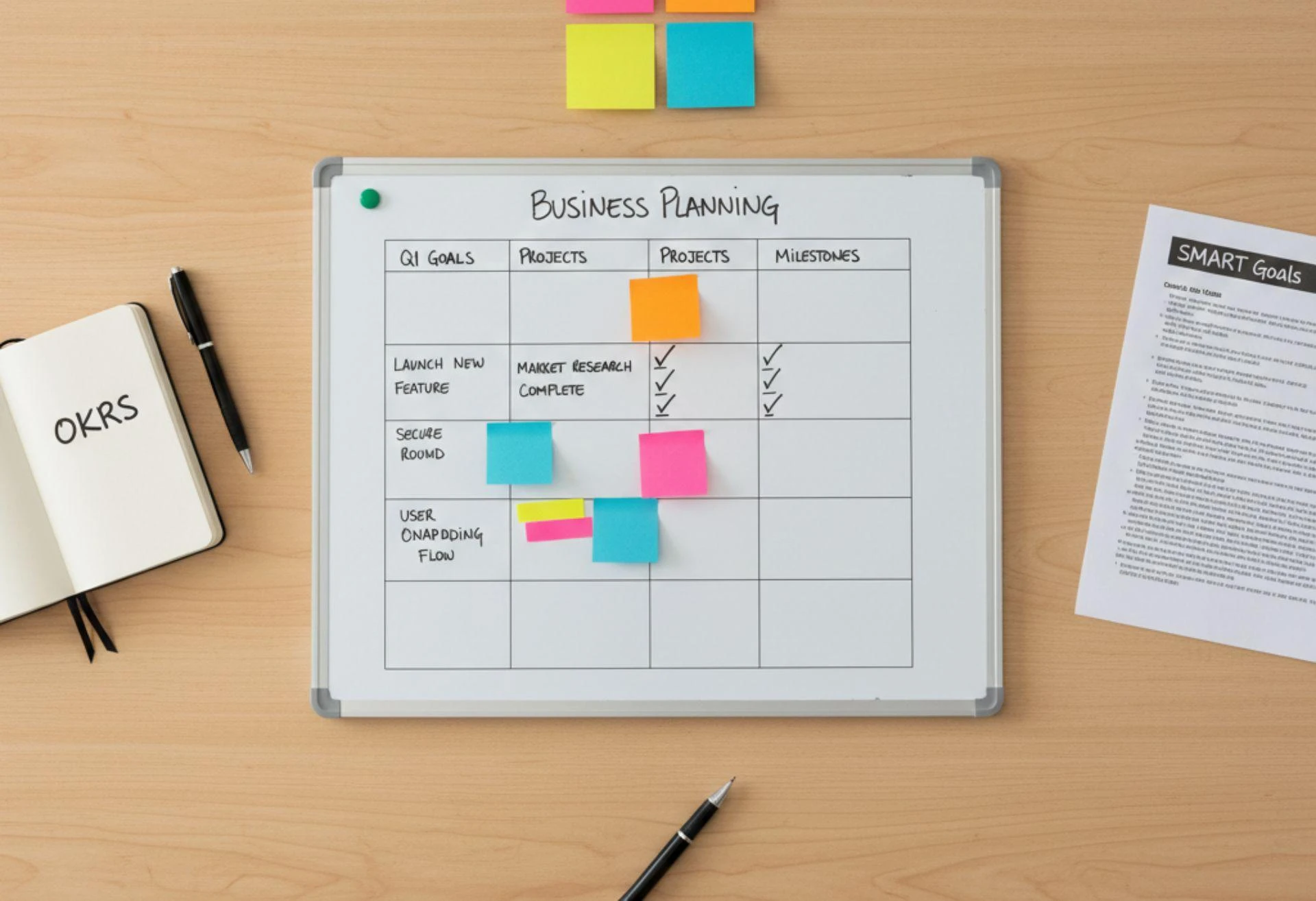
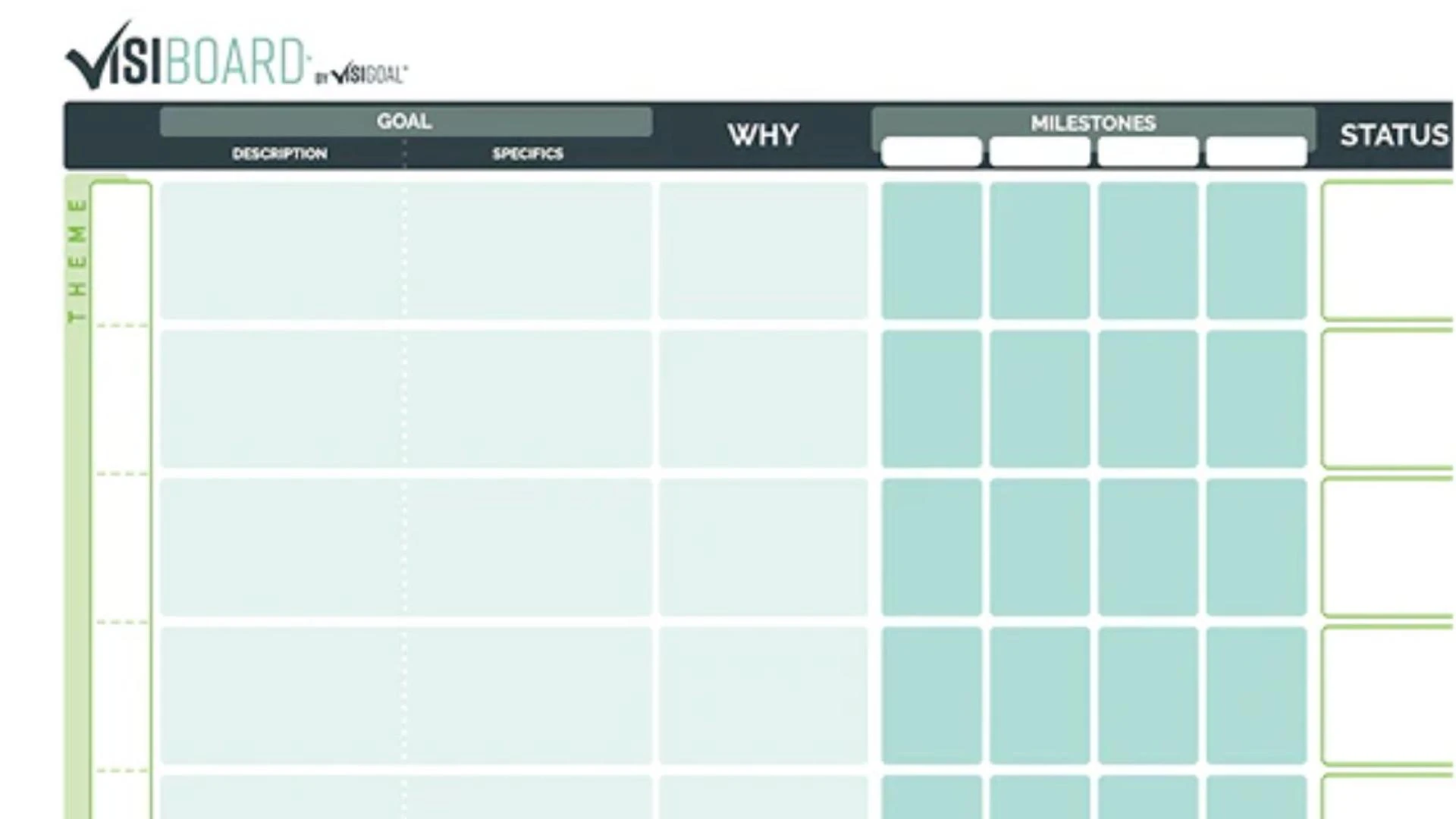
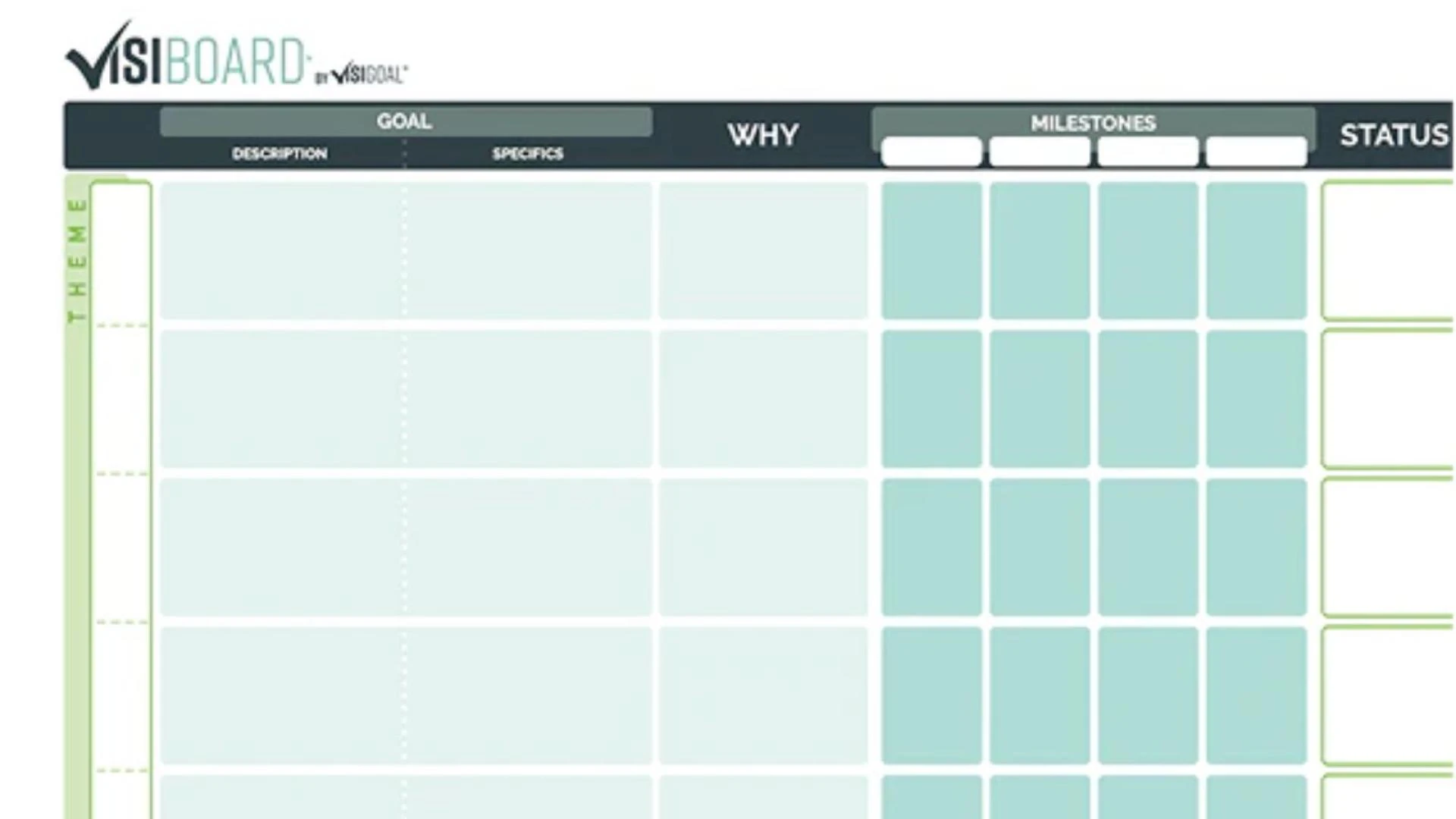
Goal Boards are physical or visual planning tools that display your goals, tasks, and progress in one visible place. Think of whiteboards, vision boards, or wall planners used in offices or home workspaces.
Their biggest strength? Visibility.
When your goals are physically in front of you every day, they’re hard to ignore. This constant exposure helps reinforce priorities and improves accountability, especially in team settings.
What Are Digital Planning Tools?
Digital planning tools include apps and software like calendars, task managers, and project management platforms. These tools allow you to organize tasks, set reminders, and track progress from anywhere.
They’re built for speed and flexibility. You can update tasks in real time, collaborate with teams, and automate reminders-making them ideal for fast-paced or remote environments.
Key Differences That Impact Effectiveness
1. Focus and Distraction
Goal Boards offer a distraction-free experience. There are no notifications, no app switching—just your goals and your plan.
Digital tools, while powerful, often live on devices filled with distractions. Even a quick check can turn into lost time due to notifications and multitasking.
2. Memory and Engagement
Writing goals on a physical board engages your brain differently. Studies show that handwriting improves memory and understanding, helping you retain and follow through on tasks more effectively.
Digital tools, on the other hand, prioritize convenience over deep cognitive engagement.
3. Accessibility and Flexibility
This is where digital planning tools clearly win. You can access your plans anytime, anywhere, across devices. They also offer automation, reminders, and integrations that simplify complex workflows.
Goal Boards are limited to a physical location, making them less practical for remote teams.
4. Visibility and Accountability
Goal Boards shine when it comes to visibility. Seeing progress daily creates a strong sense of accountability and motivation.
In contrast, digital tools can bury tasks under multiple tabs or dashboards, making it easier to lose sight of priorities.
So, Which Is More Effective?
The truth is, there’s no one-size-fits-all answer.
Choose Goal Boards if you want:
- Better focus and fewer distractions
- Stronger visual goal tracking
- Improved engagement and accountability
Choose Digital Planning Tools if you need:
- Remote access and real-time updates
- Automation and reminders
- Collaboration across teams
Interestingly, research and real-world use both suggest that a hybrid approach often works best-using Goal Boards for big-picture visibility and digital tools for daily task management.
Final Thoughts
Effectiveness isn’t about choosing the “best” tool-it’s about choosing the right one for how you work.
Goal Boards bring clarity, focus, and visibility. Digital tools bring speed, flexibility, and scale. Combine them wisely, and you’ll create a system that not only organizes your goals-but helps you actually achieve them.





























Sign in to leave a comment.