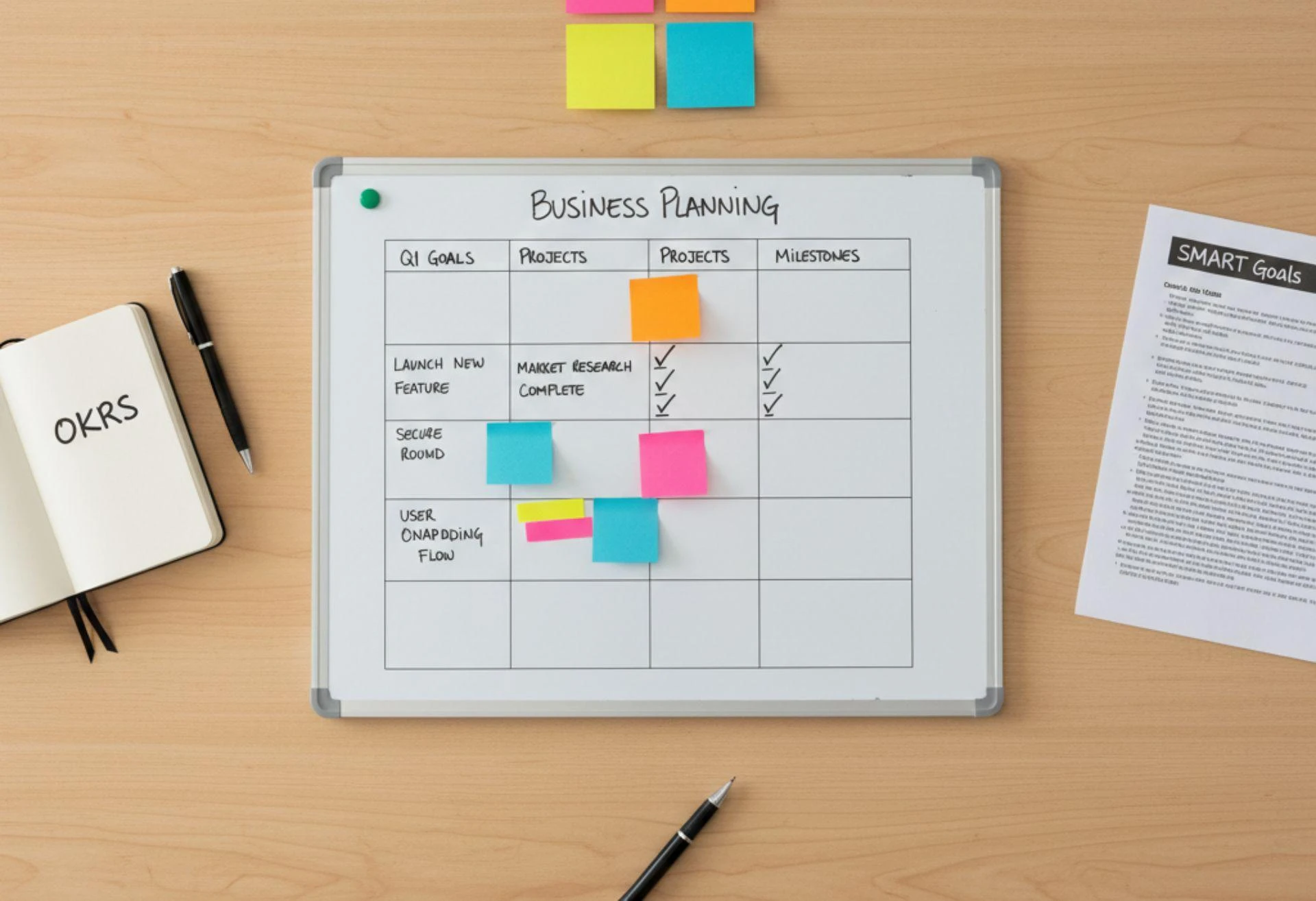
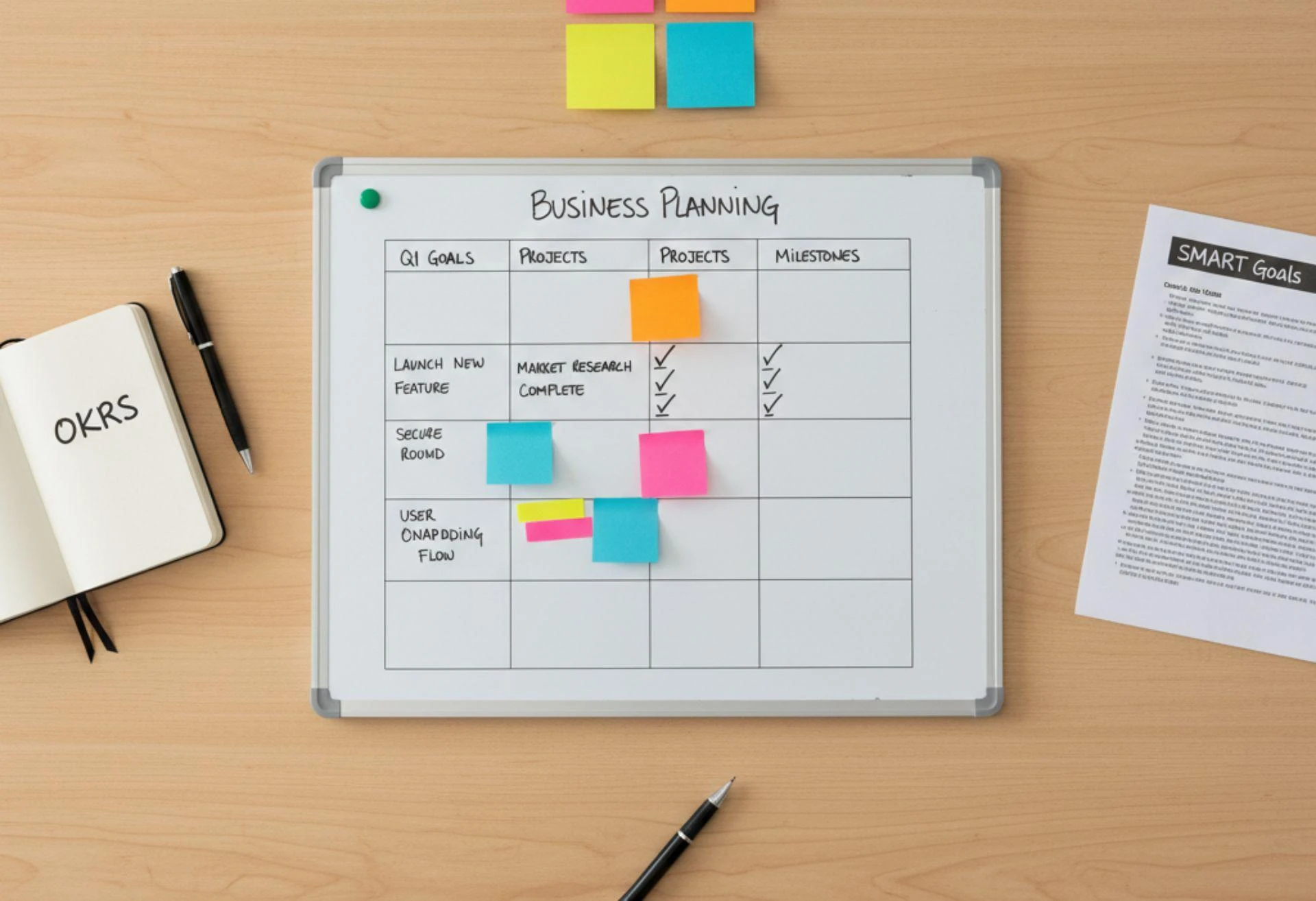
A Goal Planner is more than a list of targets - it's a strategy tool that helps you chart meaningful progress throughout the year without losing motivation or energy. Planning your goals at the start of the year gives you clarity, structure, and a roadmap to success. But without the right approach, even the best intentions can lead to overwhelm and mid-year burnout. Here’s how to set up your yearly plan for sustained focus and real results.
Why Use a Goal Planner?
A yearly goal planner helps you break down big dreams into smaller, manageable steps. It lets you track progress, celebrate wins, and make adjustments as life evolves. When used well, a planner becomes your personal accountability partner - keeping you on track without pressure. Strategic planning encourages intentional habits, instead of reactive busywork.
Set Realistic and Balanced Goals
The first step in avoiding mid-year burnout is to create goals that are realistic, measurable and relevant. If your targets are too broad or overwhelming, you’ll feel discouraged quickly. Use frameworks like SMART (Specific, Measurable, Achievable, Relevant, Time-bound) to define goals that feel challenging yet reachable. This balance ensures consistent progress without stress.
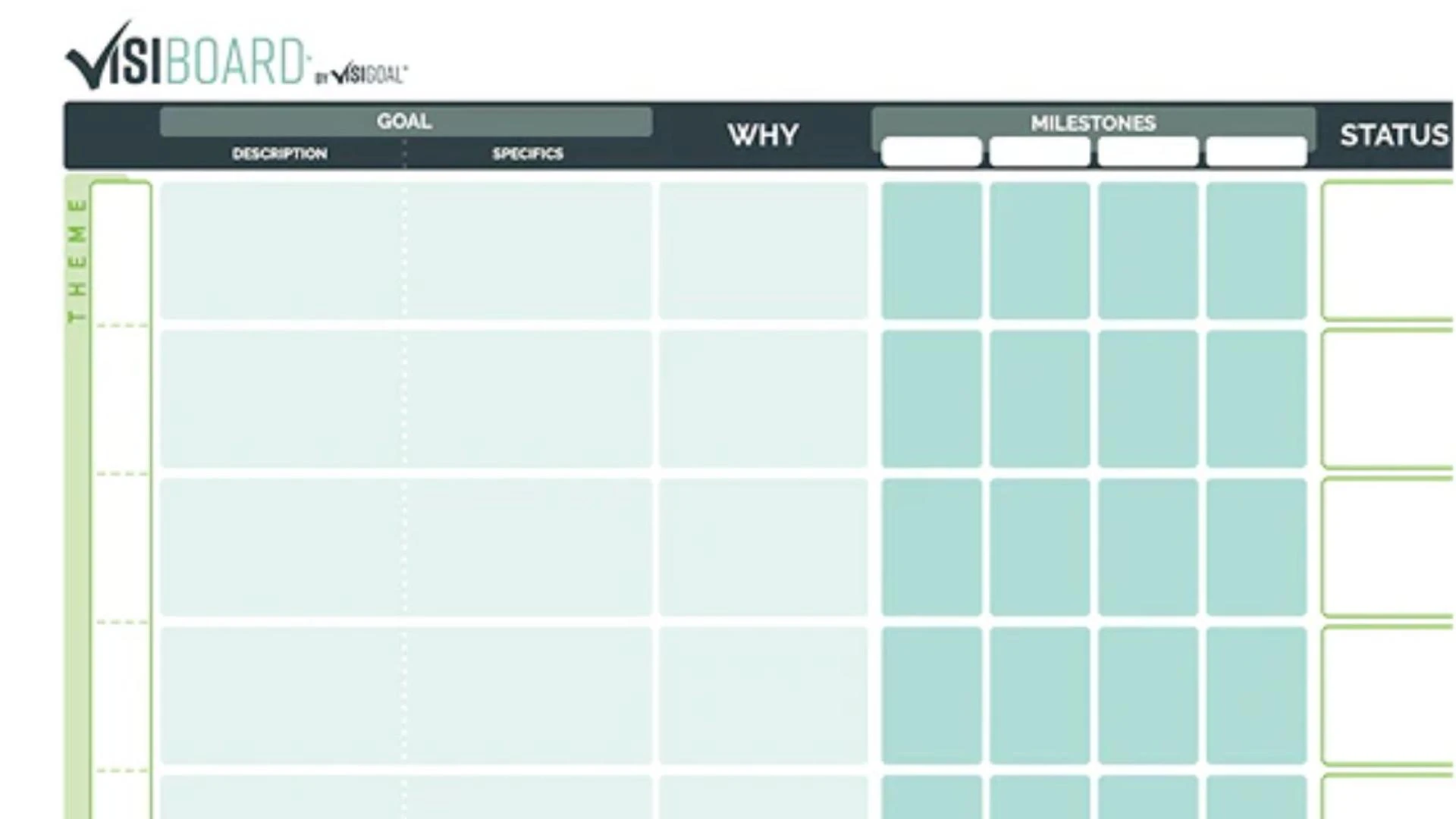
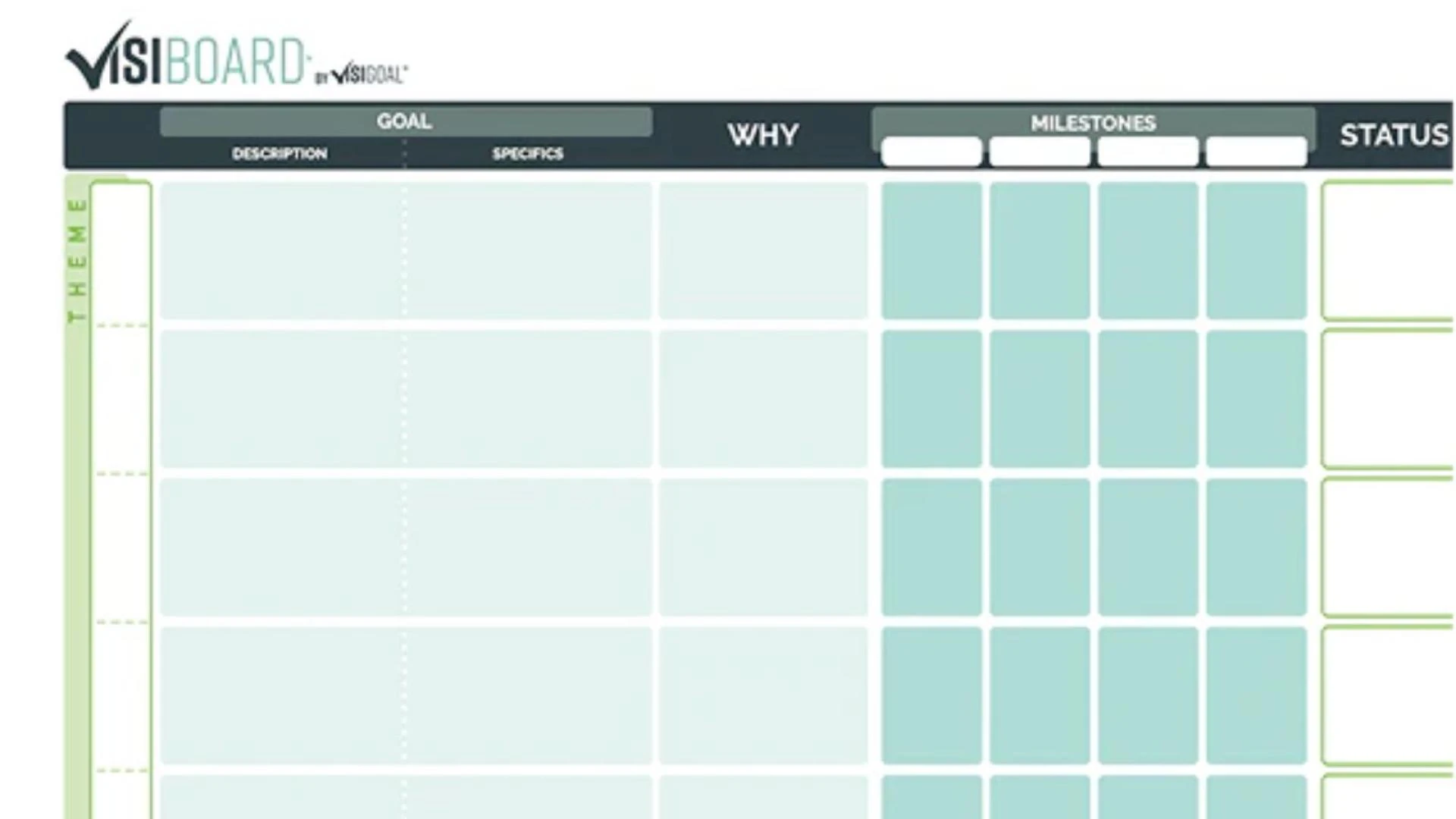
Break larger objectives into smaller tasks and milestones. For example, if your annual goal is to launch a business, break it down into weekly or monthly actions: research, branding, prototype development, testing and launch. Smaller wins keep your motivation flowing and reduce the sense of inertia that leads to burnout.
Maintain Consistent Tracking
Using your Goal Planner regularly is key to staying aligned with your intentions. Set aside time weekly or monthly to review your progress, adjust timelines, and reset priorities if needed. This consistency helps you catch early signs of overwhelm - for example, falling behind on deadlines or feeling unmotivated - and gives you space to pivot before burnout hits.
Consider using visual trackers like habit grids, progress bars or checklists. These tools make it easier to see how far you've come and where you need to focus next.
Incorporate Flexibility and Reflection
Life changes. Your planner should reflect that. Don’t treat your goals as rigid commands - instead, view them as living parts of your year. Regular reflection helps you reassess whether your goals still align with your priorities or if they need revisions.
Reflection also gives you a chance to celebrate progress. Recognizing wins, no matter how small, fuels confidence and reduces stress. This habit of looking back prevents you from pushing forward blindly and burning out from unrealistic expectations.
Prioritize Well-Being
A Yearly Goal Planner isn’t just about productivity - it should support your well-being too. Build in time for rest, self-care and personal growth. When you make space for balance, you protect your mental energy, creativity and resilience. Without planned downtime, intense pursuit of goals can quickly drain your motivation.
Include wellness markers in your planner such as sleep targets, mindfulness routines or social time. This broader view keeps you healthy and energised for your bigger aspirations.
Stay Motivated with Community and Accountability
Sharing your goals with a friend, coach or community can elevate your commitment. Social accountability provides encouragement and constructive feedback when your energy dips. Regular check-ins help sustain momentum throughout the year.
Another technique is to mix big goals with smaller “quick wins.” Finishing quick tasks early boosts confidence and keeps you feeling productive even when larger goals take longer to complete.





























Sign in to leave a comment.