

GPS tags for equipment have become an essential tool for improving asset security across many industries. From construction sites and warehouses to logistics operations and field services, valuable equipment is constantly at risk of loss, theft, or misuse. Traditional tracking methods such as manual logs or visual inspections are no longer sufficient in fast paced and distributed working environments.
This article explains how gps tags for equipment work, why they are important, and how they significantly improve asset security. It also explores their key features, benefits, and practical use cases, helping readers understand why these tracking solutions are becoming a standard part of modern asset management.
Understanding GPS Tags for Equipment
GPS tags for equipment are compact tracking devices that are attached to tools, machinery, or other valuable assets. These tags use satellite based positioning technology to determine the location of equipment and transmit that information to a connected application or platform.
The primary purpose of gps tags for equipment is to provide visibility. Knowing where equipment is located at all times helps organizations protect their assets and maintain better control over operations.
What Makes Equipment Tracking Different
Tracking equipment is different from tracking personal items. Equipment is often stored outdoors, moved between job sites, or shared among multiple teams. This increases the risk of loss or unauthorized use.
GPS tags for equipment are designed to handle these challenges by offering durable construction, long battery life, and reliable location reporting in various environments.
How GPS Tags for Equipment Work
To fully understand their value, it is important to know how gps tags for equipment function in real world conditions.
Location Data Collection
GPS tags receive signals from satellites to calculate their precise location. This location data is updated at regular intervals or based on movement. The tag then sends this information to a connected system where users can view it on a map.
Even when equipment is stationary, the last recorded location remains available for reference.
Data Transmission and Access
Once location data is collected, it is transmitted through wireless networks to a secure platform. Authorized users can access this information using a mobile device or computer.
This process allows asset managers to check equipment locations remotely without being physically present.
Alerts and Notifications
GPS tags for equipment can trigger alerts when specific conditions are met. These conditions may include movement outside a designated area, unexpected motion, or prolonged inactivity.
Alerts help users respond quickly to potential security issues.
Key Features of GPS Tags for Equipment
Modern gps tags for equipment offer a range of features that enhance asset security and operational efficiency.
Real Time Equipment Tracking
Real time tracking provides immediate visibility into where equipment is located. This feature is especially valuable for high value assets that move frequently between locations.
By checking real time data, users can verify whether equipment is where it should be.
Geofencing Capabilities
Geofencing allows users to set virtual boundaries around specific locations. If equipment moves outside these boundaries, the system sends an alert.
This feature helps prevent theft and unauthorized relocation by notifying users as soon as unusual movement occurs.
Movement and Tamper Detection
Many gps tags for equipment include sensors that detect motion or tampering. If equipment is moved unexpectedly or if a tag is removed, an alert can be triggered.
This adds an extra layer of security beyond basic location tracking.
Usage History and Reports
Tracking systems often store historical data related to equipment movement and usage. Users can review this data to understand how equipment is being used over time.
Usage reports help identify inefficiencies and support better decision making.
How GPS Tags Improve Asset Security
The primary advantage of gps tags for equipment is improved asset security. This improvement comes from several interconnected benefits.
Theft Prevention
The presence of gps tags alone can discourage theft. Knowing that equipment is being tracked reduces the likelihood of unauthorized removal.
If theft does occur, real time location data increases the chances of recovery.
Faster Recovery of Lost Equipment
Misplaced equipment can cause delays and financial losses. GPS tags for equipment help locate missing assets quickly by showing their last known or current location.
This reduces downtime and minimizes replacement costs.
Reduced Unauthorized Use
Unauthorized use of equipment can lead to increased wear, damage, or safety risks. Tracking data makes it easier to monitor when and where equipment is used.
This transparency encourages responsible usage and accountability.
Improved Accountability
When equipment movement is recorded, it becomes easier to assign responsibility. Teams are more likely to follow proper procedures when they know activity is being monitored.
Accountability leads to better asset care and reduced losses.
Benefits for Different Industries
GPS tags for equipment provide value across a wide range of industries. Each sector benefits in unique ways based on its operational needs.
Construction and Infrastructure
Construction sites often involve expensive machinery and tools spread across large areas. GPS tags help managers track equipment across multiple sites and prevent theft after working hours.
They also reduce time wasted searching for tools on busy job sites.
Logistics and Transportation
In logistics, equipment such as containers, trailers, and handling tools are constantly on the move. GPS tags for equipment provide visibility throughout the supply chain.
This visibility improves coordination and reduces losses during transit.
Manufacturing and Warehousing
Factories and warehouses rely on specialized equipment to maintain productivity. Tracking ensures that equipment is available when needed and not misplaced within large facilities.
It also supports inventory management and maintenance planning.
Agriculture and Field Services
Agricultural machinery and field service tools are often used in remote locations. GPS tags help track equipment across large areas and reduce the risk of theft.
They also support better planning by showing where equipment is currently deployed.
Operational Advantages Beyond Security
While security is the main focus, gps tags for equipment also offer operational benefits that improve overall efficiency.
Better Asset Utilization
Tracking data reveals how often equipment is used and where it is located. This information helps organizations avoid unnecessary purchases by redistributing underused assets.
Better utilization leads to cost savings and improved resource management.
Maintenance Planning
Usage history from gps tags can support maintenance schedules. Equipment that is used more frequently can be serviced more often, reducing the risk of breakdowns.
Proactive maintenance extends equipment lifespan.
Improved Workflow Planning
Knowing the location of equipment helps teams plan tasks more efficiently. Workers spend less time waiting for tools and more time completing jobs.
This improves productivity and reduces project delays.
Best Practices for Using GPS Tags for Equipment
To get the most value from gps tags for equipment, users should follow a few best practices.
Secure Installation
Tags should be installed securely on equipment to prevent accidental removal or damage. Placement should allow clear signal reception while remaining discreet.
Proper installation improves tracking accuracy and reliability.
Regular Monitoring
Tracking systems are most effective when monitored regularly. Checking alerts and location updates ensures that issues are addressed promptly.
Consistent monitoring strengthens asset security.
Battery and System Checks
GPS tags rely on power to function. Monitoring battery levels and performing routine system checks helps avoid unexpected outages.
This ensures continuous protection of valuable equipment.
Conclusion
GPS tags for equipment play a vital role in improving asset security by providing real time visibility, theft prevention, and faster recovery of valuable assets. Their ability to monitor movement, trigger alerts, and generate usage data makes them an essential tool for modern equipment management. Beyond security, they also support better utilization, maintenance planning, and operational efficiency.
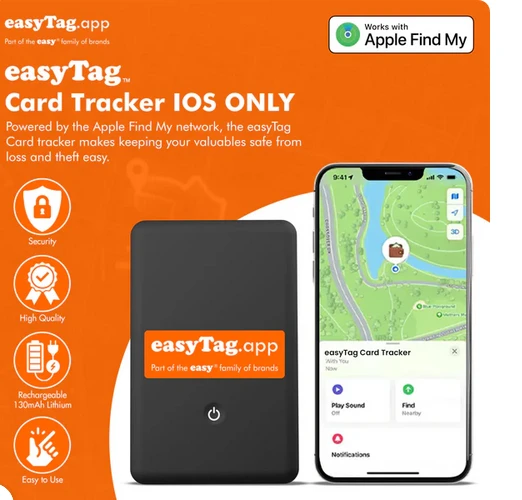
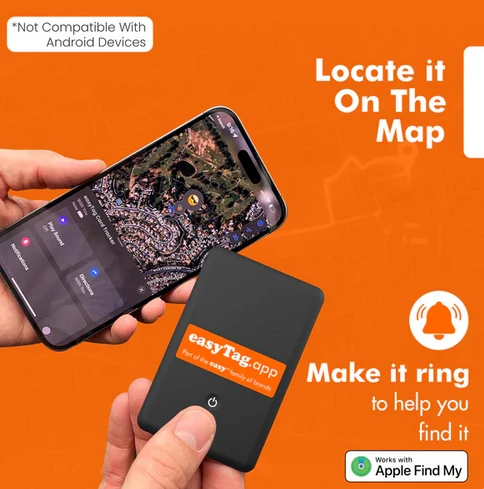
For organizations seeking a reliable and effective way to protect and manage their equipment, easyTag offers solutions that support smarter tracking and stronger asset security in today’s demanding environments.





























Sign in to leave a comment.