
The demand for real-time vehicle tracking has never been higher. Whether you're a fleet manager monitoring dozens of trucks, a parent keeping tabs on a new driver, or a business owner securing company vehicles, GPS vehicle trackers offer reliable and efficient solutions for all vehicle types.
From basic tracking to advanced telematics, GPS systems today are more intelligent, accessible, and versatile than ever. The market is full of tracking devices tailored for cars, trucks, bikes, commercial fleets, and even non-motorized assets. But what makes a tracking system truly effective? And how can different types of users benefit from these solutions?
This guide explores how GPS trackers work, their features, and the best GPS tracking systems available for various vehicle types.
What Is a GPS Vehicle Tracker?
A GPS vehicle tracker is a device that uses Global Positioning System satellites to determine a vehicle’s location and transmit that data to a server or mobile app in real-time. These devices can be:
- Wired (installed into the vehicle's power system)
- Plug-and-play (inserted into the OBD-II port)
- Portable/magnetic (battery-powered for external placement)
The choice of tracker depends on the use case. A personal car might only need route playback and anti-theft alerts, while a fleet vehicle might require engine diagnostics, fuel tracking, and route optimization.
How GPS Vehicle Tracking Works
The process behind real-time vehicle tracking involves four major steps:
- Location Detection: The tracker receives satellite signals to determine the vehicle’s location using triangulation.
- Data Transmission: It sends location data and other parameters (speed, ignition status, etc.) to a cloud server via GSM/4G network.
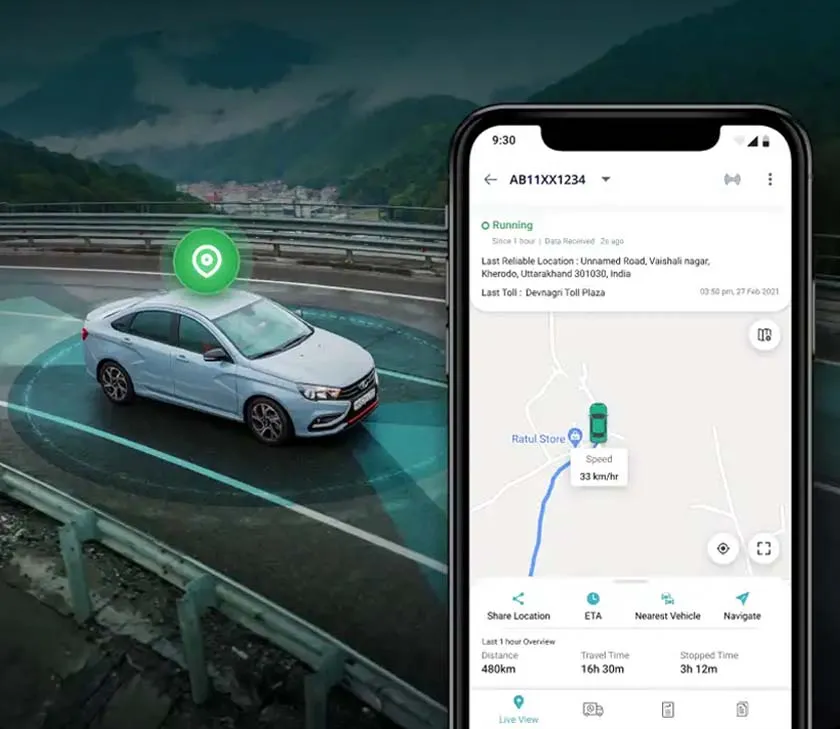
- Platform Display: Users view the information via a web dashboard or mobile app.
- Alerts & Reporting: Systems provide automated alerts (e.g., overspeeding, geofence breaches) and detailed reports for analysis.
For a deep dive into specific hardware types, such as magnetic GPS trackers, readers can explore this magnetic GPS tracker guide.
Best GPS Tracking Systems for Different Vehicle Types
1. Cars (Private & Company-Owned)
For everyday vehicles, the focus is on safety and accountability. The ideal system should offer:
- Live location tracking
- Trip history and driving behavior
- Geo-fencing for unauthorized movements
- Mobile app access for users
Plug-and-play OBD-II trackers work well for cars, as they are easy to install and support engine diagnostics in addition to tracking.
2. Trucks and Commercial Fleets
Trucks require robust, durable devices with expanded features. Top tracking systems offer:
- Fuel monitoring and mileage reports
- Route optimization and delivery scheduling
- Driver behavior analysis
- Maintenance alerts
- Integration with fleet management systems
Wired trackers are preferred for these vehicles due to their continuous power supply and ability to collect engine data.
3. Two-Wheelers (Bikes & Scooters)
Bikes are more vulnerable to theft and less visible in traffic monitoring systems. GPS trackers for two-wheelers should be compact, tamper-proof, and offer:
- Anti-theft alerts
- Ignition status monitoring
- Real-time location updates
- Long battery life (for portable units)
Battery-powered magnetic trackers or compact wired units are the most suitable options here.
4. Heavy Equipment & Non-Vehicle Assets
Construction equipment, trailers, and other assets require rugged trackers that function even in harsh environments. Key features include:
- Long-lasting battery (3–6 months or more)
- Motion detection and idle time alerts
- Asset utilization reports
- Weatherproof housing
These systems help prevent misuse, unauthorized use, or theft of high-value machinery and assets.
Features to Look for in a Quality GPS Vehicle Tracker
No matter the vehicle type, the best tracking systems offer a combination of the following features:
- Real-Time Tracking – See exact vehicle location at any moment.
- Geofencing & Alerts – Create virtual boundaries and receive alerts for entry/exit.
- Historical Data Playback – Review trips taken, routes used, and stops made.
- Driver Behavior Monitoring – Identify harsh braking, acceleration, or idling.
- Fuel Monitoring – Detect fuel theft and improve mileage (especially in commercial vehicles).
- Mobile App & Web Dashboard – Access data conveniently from any device.
- Emergency SOS Functionality – Useful for breakdowns or security threats.
- Custom Reports & Analytics – Analyze fleet performance and generate insights.
Benefits of Using a Vehicle GPS Tracker
- Increased Vehicle Security: Locate stolen or missing vehicles quickly.
- Cost Savings: Optimize fuel usage, reduce idle time, and lower maintenance costs.
- Improved Productivity: Track usage patterns and hold drivers accountable.
- Customer Satisfaction: For delivery and logistics, real-time updates lead to better service.
- Peace of Mind: Know where your assets or loved ones are, at all times.
Final Thoughts
Whether you're a business managing a large fleet or a vehicle owner focused on security and efficiency, GPS vehicle trackers offer unmatched visibility, control, and safety.
The best systems aren’t just about location—they offer insights, efficiency tools, and peace of mind. With a range of devices tailored to every vehicle type, there's never been a better time to explore modern GPS tracking technology.
Looking for more information on choosing the right tracker? Keep an eye on leading telematics blogs and hardware providers for reviews, tutorials, and updates on the latest tracking technologies.




























Sign in to leave a comment.