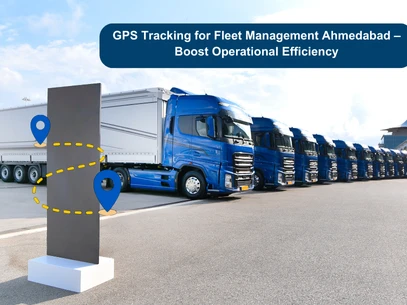

In the modern business landscape, efficiency and visibility are not just buzzwords; they are survival tools. As operations become more complex and competition sharper, businesses that manage commercial fleets are turning to smarter solutions to stay ahead. One such indispensable tool is the commercial vehicle tracking system—a technology that has rapidly shifted from being a nice-to-have to an absolute must-have.
At its heart, a vehicle tracking system is about control and insight. Whether you are running a logistics company with hundreds of delivery vans or a construction firm managing heavy-duty trucks, knowing exactly where your vehicles are, how they’re being driven, and whether they’re being used optimally, can completely transform the way you operate.
What is a Commercial Vehicle Tracking System?
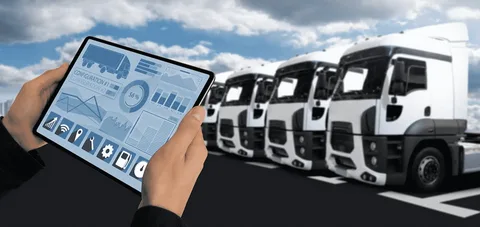
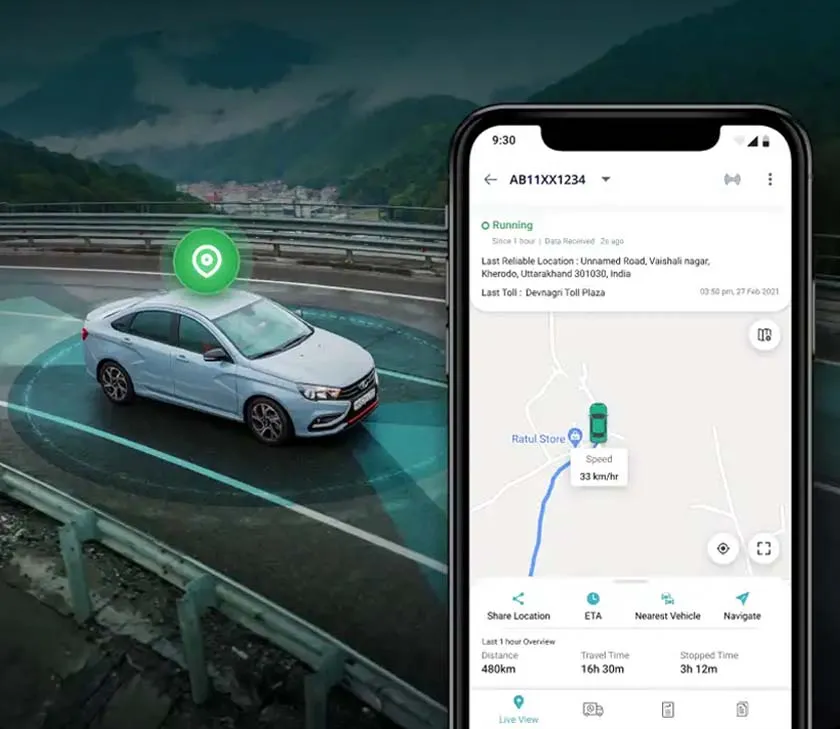
A commercial vehicle tracking system is essentially a combination of GPS hardware and intelligent software. The hardware, fitted discreetly into the vehicle, captures live data about the vehicle’s location, speed, fuel consumption, and even driver behaviour. This information is then transmitted to a central platform, giving managers a complete view of their fleet in real time.
When paired with fleet management vehicle tracking software, the system goes beyond dots on a map. It becomes a hub of actionable insights—empowering managers to make data-driven decisions about routes, schedules, and resource allocation.
Key Benefits of Vehicle Tracking in Business Operations
1. Improved Fleet Visibility
With live GPS updates, you know exactly where every vehicle is at any given time. This level of transparency reduces delays, prevents unauthorized use, and allows for quick decision-making when things don’t go as planned.
2. Better Route Planning and Time Management
Traffic congestion is a universal headache. Vehicle tracking systems provide insights into road conditions and allow managers to choose the most efficient routes. This doesn’t just save time; it also reduces fuel consumption, leading to lower operational costs.
3. Enhanced Safety and Driver Behaviour Monitoring
Drivers are at the heart of fleet operations. Systems can flag unsafe practices such as harsh braking, over-speeding, or idling. With these insights, managers can introduce training programs or reward good driving habits—creating a culture of safety.
4. Fuel Efficiency and Cost Reduction
Fuel is often one of the biggest expenses in fleet operations. By identifying inefficient routes, reducing idling, and curbing misuse, a commercial vehicle tracking system helps companies save significant amounts on fuel. Over time, this can have a tangible impact on the bottom line.
5. Regulatory Compliance and Reporting
For businesses operating in industries with strict compliance requirements—such as logistics, construction, or public transport—vehicle tracking systems simplify record-keeping. Automatic logs and reports make it easy to demonstrate compliance with government regulations.
6. Customer Satisfaction
In sectors like delivery or passenger transport, real-time updates can be shared with clients or customers. Imagine being able to tell a client exactly when their delivery will arrive, or allowing passengers to track their bus in real time. It builds trust and enhances the overall customer experience.
Fleet Management Vehicle Tracking: A Strategic Tool
It’s important to recognize that fleet management vehicle tracking is not just about location. It’s a holistic solution that integrates different aspects of operations into one intelligent system.
For example:
- Maintenance Management: The system tracks vehicle health and alerts managers before a breakdown occurs. Proactive maintenance reduces downtime.
- Workforce Management: Linking driver schedules with vehicle tracking ensures accountability and optimises shift allocation.
- Analytics and Forecasting: Over time, data collected provides powerful insights into trends—helping businesses forecast fuel budgets, vehicle wear and tear, and even peak demand periods.
This transformation turns vehicle tracking into a true strategic advantage, not merely a logistical tool.
Real-World Application
Think about a logistics company handling hundreds of deliveries each day. Without a commercial vehicle tracking system, managers rely on phone calls, manual reporting, or guesswork to understand where vehicles are. It’s inefficient and prone to error.
Now consider the same company with tracking in place. Managers can see delays in real time, reroute vehicles instantly, and update customers with accurate ETAs. Drivers are more accountable, fuel costs are optimized, and compliance reporting is automated. The difference is staggering.
Challenges Overcome by Tracking Systems
Of course, no technology is adopted without addressing a few hurdles. Businesses often worry about cost, driver acceptance, or data overload. But modern tracking systems are increasingly cost-effective, easy to install, and user-friendly.
As for driver concerns, clear communication helps. Positioning tracking as a safety and efficiency tool—rather than a surveillance mechanism—usually wins drivers’ trust. And with dashboards that simplify complex data, managers avoid being swamped with information.
The Future of Commercial Vehicle Tracking
The next phase of evolution for commercial vehicle tracking systems lies in integration. Artificial intelligence and predictive analytics will allow companies not just to react to situations but to anticipate them. Imagine being alerted about a potential breakdown weeks before it happens or knowing the best time to rotate vehicles for maximum efficiency.
As operations grow more data-driven, businesses that invest in fleet tracking solutions will naturally position themselves ahead of competitors.
Conclusion
In an era where efficiency, safety, and customer trust are everything, a commercial vehicle tracking system is no longer optional. It’s the backbone of modern fleet operations. From improving visibility and fuel efficiency to enhancing compliance and customer service, the benefits are transformative.
For businesses serious about growth and sustainability, fleet management vehicle tracking is an investment that delivers measurable returns—day after day, mile after mile.






















Sign in to leave a comment.