
Introduction
In the realm of business, growth and marketing are two intertwined concepts that play crucial roles in driving success and sustainability. While growth focuses on expanding the reach and scale of a business, marketing encompasses the strategies and tactics employed to attract and retain customers. In this comprehensive guide, we explore the dynamics between growth and marketing, uncovering actionable insights to help businesses navigate the complexities of business expansion.
Understanding Growth
Growth is the fundamental objective of any business endeavor, encompassing various dimensions such as revenue, market share, customer base, and organizational capabilities. Achieving sustainable growth requires a strategic approach that aligns with the overarching goals and vision of the business. Whether through organic expansion, mergers and acquisitions, or strategic partnerships, businesses must continually seek opportunities to scale their operations and capitalize on emerging market trends.
The Role of Marketing in Driving Growth
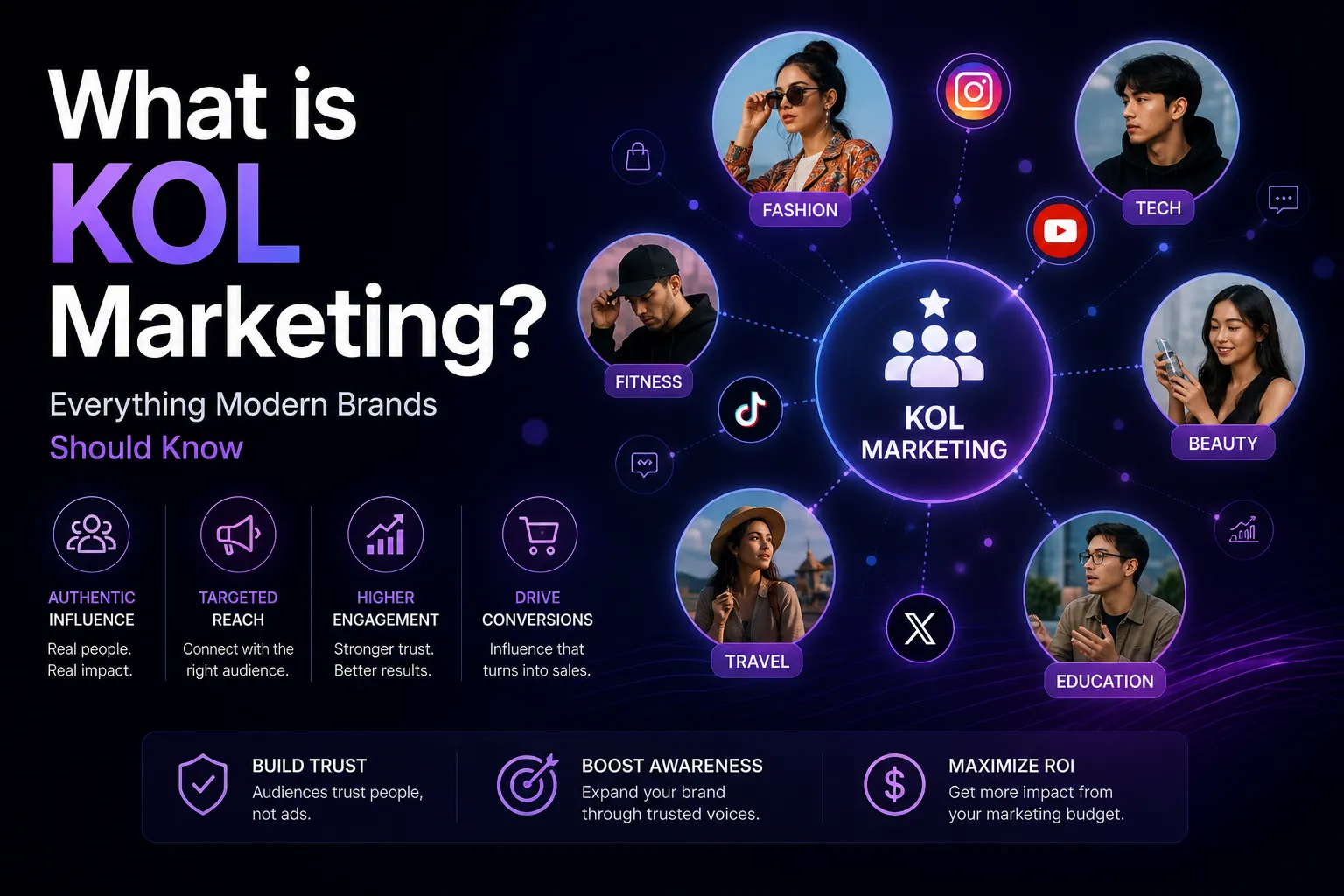
Marketing serves as the engine that fuels business growth by generating awareness, driving demand, and fostering customer engagement. Effective marketing strategies leverage a mix of channels and tactics, ranging from digital advertising and content marketing to social media and influencer partnerships. By understanding the needs and preferences of their target audience, businesses can tailor their marketing efforts to deliver relevant messaging and experiences that resonate with customers and drive conversion.
Leveraging Data for Informed Decision-Making
In today's data-driven landscape, businesses have access to an abundance of information that can inform strategic decision-making and optimize growth and marketing initiatives. By leveraging analytics tools and consumer insights, businesses can gain a deeper understanding of market trends, customer behavior, and competitive dynamics. This data-driven approach empowers businesses to identify opportunities for innovation, refine their marketing strategies, and allocate resources more effectively to drive sustainable growth.
Balancing Short-Term Gains with Long-Term Sustainability
While it's essential to pursue short-term gains and capitalize on immediate growth opportunities, businesses must also prioritize long-term sustainability and resilience. This entails building strong brand equity, fostering customer loyalty, and investing in innovation and R&D initiatives that lay the foundation for future growth. By striking a balance between short-term objectives and long-term vision, businesses can mitigate risks, adapt to changing market conditions, and sustain growth over the long haul.
Embracing Innovation and Adaptation
In today's dynamic business landscape, innovation and adaptation are essential drivers of growth and competitiveness. Businesses must continuously evolve their products, services, and marketing strategies to stay ahead of the curve and meet the evolving needs of their customers. Whether through technological innovation, process optimization, or market disruption, businesses that embrace change and innovation are better positioned to thrive in an increasingly competitive marketplace.
Conclusion
In the intricate dance between growth and marketing, businesses must strike a delicate balance to achieve sustainable success. By aligning growth initiatives with strategic marketing efforts, leveraging data-driven insights, prioritizing long-term sustainability, and embracing innovation, businesses can navigate the complexities of business expansion and drive meaningful growth in today's competitive landscape.























Sign in to leave a comment.