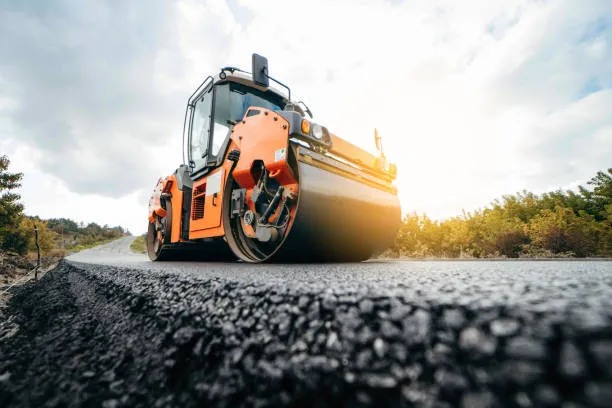

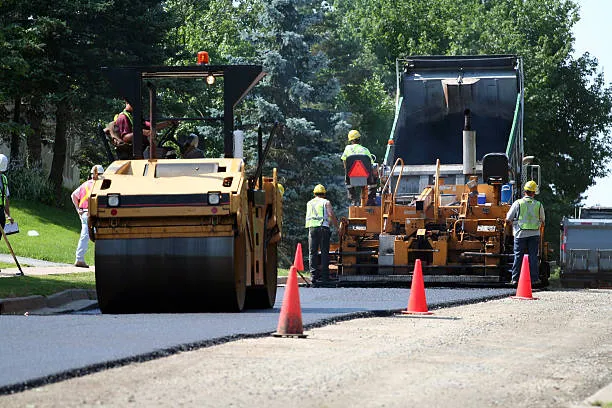
As a contractor and engineer who has worked on commercial paving projects throughout Southern Arizona, I've learned that asphalt paving in Tucson comes with its own set of challenges and rewards.
I've had property owners tell me, "It's just a parking lot." My response is usually the same: your parking lot is often the first thing customers see before they ever walk through your door. A cracked, faded, and uneven surface sends a very different message than a smooth, professionally paved lot.
If you're considering asphalt paving for a Tucson parking lot, here's what you should know before the first truck arrives on site.
Why Asphalt Is a Popular Choice
Asphalt remains one of the most cost-effective paving materials for commercial parking lots. Compared to other paving options, it offers excellent durability, faster installation, and lower maintenance costs.
One thing I appreciate about asphalt is its flexibility. Tucson temperatures can swing dramatically between cool desert nights and scorching summer afternoons. Asphalt handles these changes well because it can expand and contract without experiencing the same level of stress that more rigid surfaces often face.
For businesses, that means fewer disruptions and lower long-term repair costs.
Site Preparation Is Everything
The most important phase of any asphalt paving project happens before a single ton of asphalt is placed.
I often tell clients that asphalt is only as good as the foundation beneath it. You can install the highest-quality asphalt mix available, but if the base is poorly prepared, problems will appear sooner rather than later.
During site preparation, contractors remove unsuitable soils, establish proper grading, and compact the base material. This creates a stable foundation capable of supporting vehicle traffic.
I once inspected a parking lot that was less than three years old and already showing major failures. The asphalt itself wasn't the problem. The contractor had rushed the base preparation process, and sections of the pavement were settling unevenly. Unfortunately, the repair bill ended up being much larger than the money saved during construction.
Proper Drainage Matters
In Tucson, many people associate pavement damage with heat. Surprisingly, water is often the bigger enemy.
Although rainfall is less frequent than in other regions, monsoon storms can dump significant amounts of water in a short period. Without proper drainage, water can infiltrate the pavement structure and weaken the base materials.
Every parking lot should be designed to direct water efficiently toward drainage structures or designated collection areas. Good drainage not only protects the pavement but also improves safety for drivers and pedestrians.
Choosing the Right Asphalt Thickness
Not all parking lots are created equal. A retail center with mostly passenger vehicles requires a different pavement design than a warehouse receiving daily truck deliveries.
As engineers, we evaluate expected traffic loads before determining pavement thickness. Installing asphalt that is too thin may save money initially, but it often leads to premature cracking, rutting, and costly repairs.
A properly designed parking lot balances performance and budget while ensuring long-term durability.
The Importance of Professional Installation
I've been on projects where every step appeared perfect on paper, but poor workmanship created problems during construction.
Proper asphalt placement, compaction, and temperature control are critical. Asphalt has a limited window during which it must be installed and compacted correctly. Experienced crews understand how weather conditions, equipment, and timing affect final pavement quality.
This is one area where hiring an experienced contractor truly makes a difference.
Maintenance Protects Your Investment
Even the best parking lot requires ongoing maintenance. Crack sealing, sealcoating, striping, and periodic inspections can dramatically extend pavement life.
I always advise property owners to think of maintenance like changing the oil in a vehicle. Skip it long enough, and expensive repairs become inevitable.
Routine maintenance is far less costly than major reconstruction and helps preserve the appearance of your property.
Final Thoughts
Asphalt paving is one of the smartest investments a Tucson property owner can make when it is designed, installed, and maintained properly. From site preparation and drainage to material selection and maintenance, every step plays a role in long-term performance.
After years of paving commercial parking lots, I've learned that successful projects aren't just about laying asphalt. They're about creating a durable, safe, and welcoming surface that serves businesses and customers for years to come.
Pro Tip
Before selecting a contractor, ask about their approach to base preparation and drainage design. A smooth asphalt surface may look impressive on day one, but what lies underneath determines how well that parking lot performs ten years from now.



























Sign in to leave a comment.