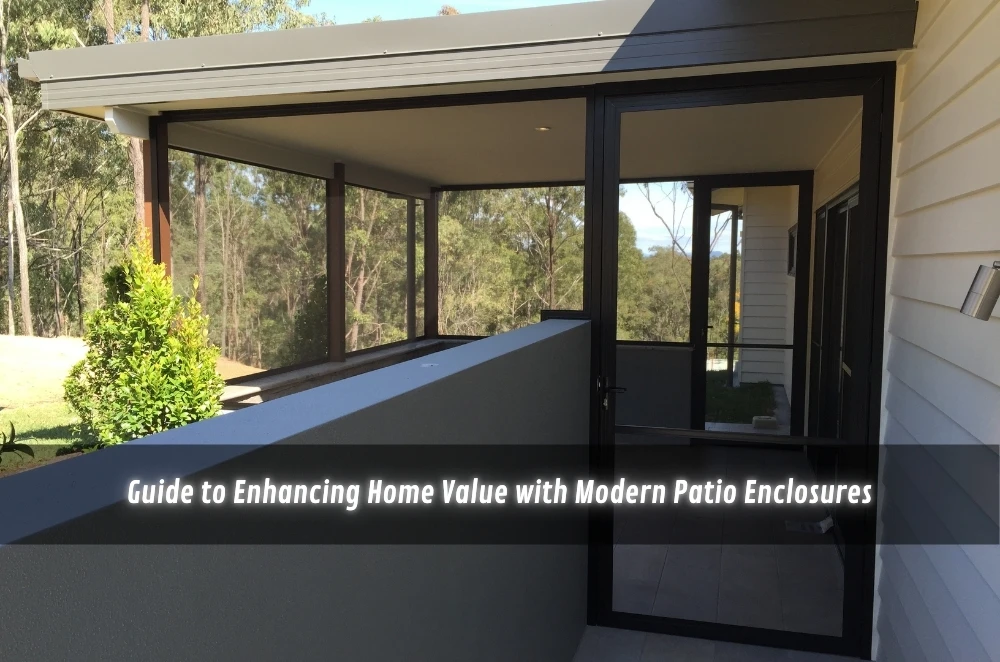

A patio has the potential to be much more than a patch of paving at the back of the house. When it’s designed to hold up against wind, insects and sudden showers, it becomes a true living space where meals, work and gatherings feel natural. Many homeowners achieve this by adding screened patio enclosures, which provide protection without cutting off light or airflow. The shift is subtle but powerful — you find yourself using the area more often, whether it’s breakfast on a weekday, a quiet afternoon read, or a relaxed evening with friends. What was once a space reserved for the perfect weather turns into an everyday extension of the home. And while buyers may eventually see the added value, the real reward comes earlier: enjoying more of your house, more of the time.
What an enclosure adds to daily living
A good enclosure doesn’t shout; it supports the moments you want more of. Focus on how the space will run on a Tuesday, not just when guests are over.
- Zoning that reduces clutter migration between inside and outside.
- Seating, lighting and power that invite everyday tasks (coffee, laptop, homework).
- Sightlines that keep the garden present, not blocked.
- Surfaces you can maintain without fuss.
I’ve seen a narrow alfresco turn into a favourite corner with nothing more than insect screening, a fan and better furniture spacing. The owners didn’t change the footprint. They simply made it easier to step out, sit, and stay. That’s the point: a place that serves the rest of the house rather than competing with it.
Standards that shape a better build
Robust detailing always starts with the rules that shape how patios can be built. In Australia, structural adequacy, weatherproofing and safety aren’t left to chance — they’re set out in patio building standards. Framing members, fixings, glazing, and even drainage must meet those requirements so the enclosure performs long after it’s finished. Treating the code as a design partner, rather than an obstacle, often leads to smarter choices: spans that won’t sag, posts that resist the wind, and thresholds that stay dry through summer storms.
- Confirm wind region, terrain category and exposure; choose connections accordingly.
- Where glazing is used, match the pane type and thickness to the location and human impact risk.
- Resolve drainage early so edges, thresholds, and paving don’t collect water.
- Coordinate lighting, fans and power with enclosure lines to reduce penetrations later.
A quick conversation with your local council can also clarify which approval pathway applies and any location-based constraints (heritage overlays, setbacks, bushfire-prone land). Once those are known, the rest of the process becomes simpler: set spans, confirm fixings, and plan the sequence so trades aren’t stepping on each other’s work.
Access, airflow and security in one move
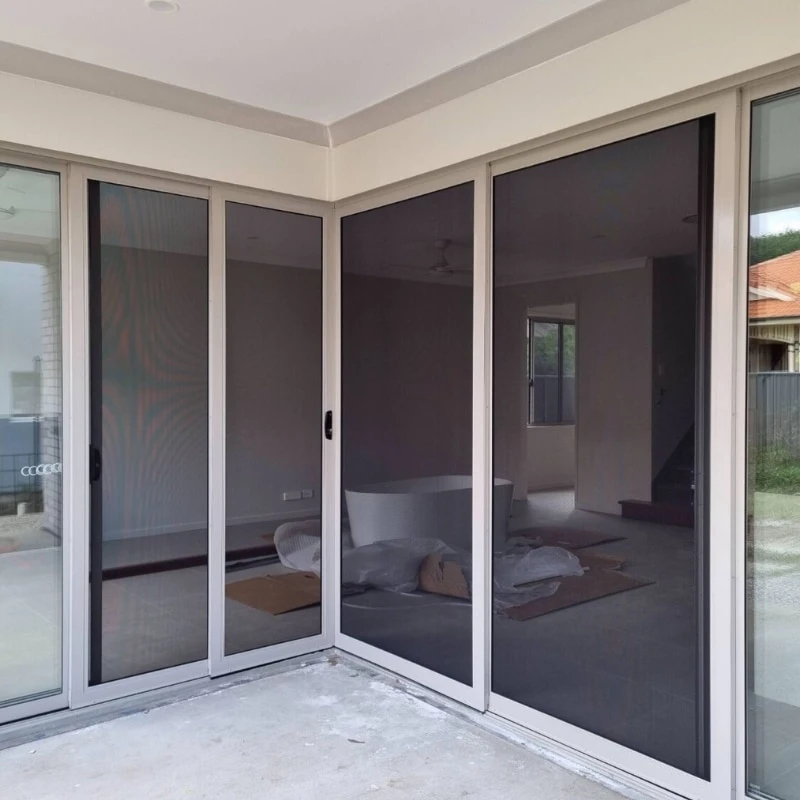
Daily flow in an enclosure depends on how easily people and air can move through it. Doors that glide smoothly, screens that breathe, and hardware that feels solid are the details that quietly decide whether the space gets used every day. Many homeowners lean on security sliding door benefits for this reason — they combine airflow with reliable access and peace of mind in a single feature. The result is subtle but noticeable: people use the area more because moving in and out feels effortless, and there’s no hesitation about leaving panels open on a warm evening.
- Place primary access on the natural traffic line from the kitchen or the living.
- Pair mesh panels with a ceiling fan to keep air moving on still days.
- Choose sills and tracks that won’t trip bare feet or catch debris.
- Keep latch heights consistent with nearby doors for muscle-memory ease.
On a breezy site north of the river, we swapped a hinged door for a wider sliding set with secure mesh. The change shortened the path from cooktop to table and kept plates level — tiny details that made the space feel like part of the house. The owners reported they now default outside for dinner, even when the wind picks up.
Shape the look without locking the layout
Style in an enclosure should feel connected to the rest of the home rather than tacked on. The best results usually come from simple, durable frames and surfaces, then adding personality through furniture and small details. Looking at outdoor living inspiration can help spark those ideas — not as a blueprint to copy, but as a way to see how colours, textures and layouts might work together in your own space. Timber against pale pavers, charcoal frames softened with greenery, or flexible seating that adapts to the occasion are all combinations that make an enclosure inviting.
- Keep frame colours in the same family as your window joinery for cohesion.
- Use layered lighting: warm overheads for meals, softer sidelights for winding down.
- Break wind on the weather edge with glazing or denser planting; keep leeward sides open.
- Maintain a clear threshold finish so the transition reads as intentional, not improvised.
Leave some flexibility. Modular furniture earns its keep when layouts change between a quiet morning and a larger group. If the enclosure feels open and adaptable, it will host more of your week.
Maintenance that protects the feel of the space
An enclosure is only as good as its easy upkeep. Small habits keep the whole area feeling fresh and safe.
- Rinse screens and tracks to prevent grit from wearing rollers and mesh.
- Check fixings at posts and beams after the first season of sun and wind.
- Refresh timber elements as part of routine exterior care so tones stay even.
- Keep plantings pruned back from frames to preserve airflow and reduce moisture.
I like to pencil a seasonal tidy into the same weekend as other outdoor jobs. Ten minutes on tracks, a quick look over hardware, and the area feels ready again. It’s simple, and it preserves the calm you built the space to deliver.
Final thoughts
Good enclosures work in the background. They fold everyday tasks into a calmer, lighter setting and stay that way because the structure and the small details were considered early. Start with how you’ll use the area during the week, align the build with standards that keep it strong, and finish with choices that invite people to step out and stay a little longer. The home feels larger, not because boundaries moved, but because life spills outside without fuss.























Sign in to leave a comment.