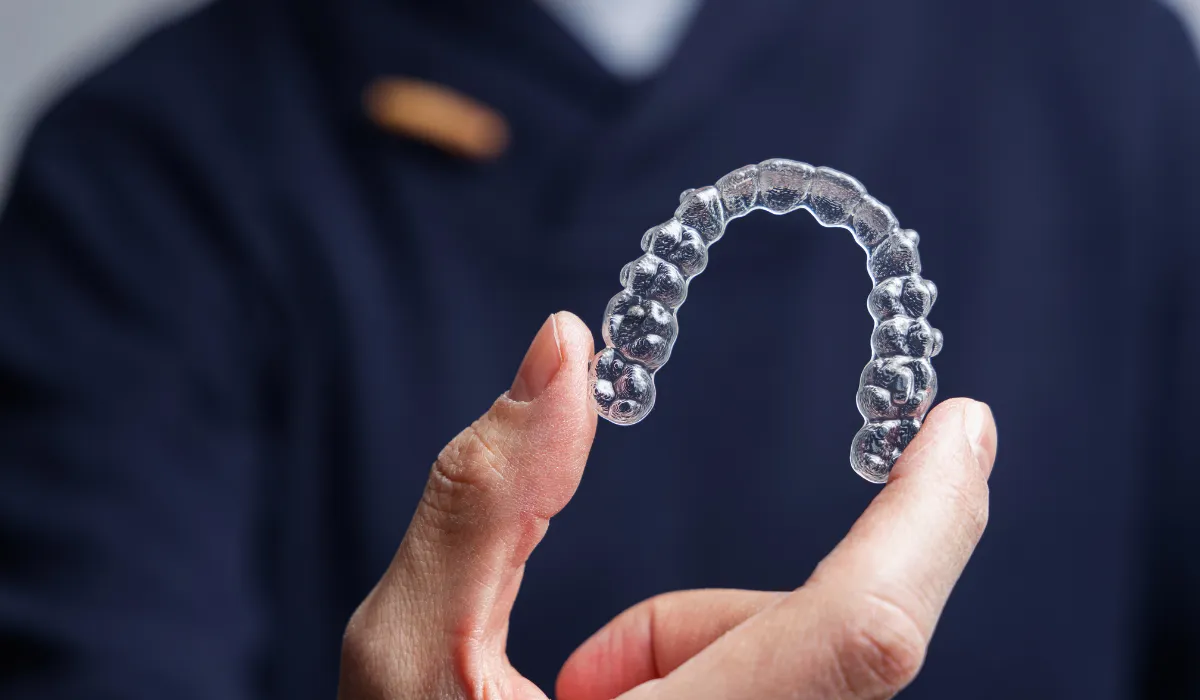

You just finished your Invisalign treatment. Your smile looks great. But the real work starts now. Keeping your teeth straight takes daily care and a few smart habits. Without these steps, teeth can slowly drift back toward their old spots. This guide walks you through simple habits that protect your new smile for years to come.
Why Your Smile Needs Ongoing Care
Teeth are not fixed in place like a photo. They sit in bone and soft tissue that can shift over time. Even after your aligners come off, your teeth still want to move back to where they started. Dentists call this relapse, and it is more common than most patients think.
The good news is that relapse is easy to prevent. Patients who finish delray beach invisalign treatment often ask how long they need to stay on top of retainer wear and daily care. The honest answer is simple: for as long as you want a straight smile. Your bite, your age, and how closely you follow your dentist's plan all play a part in the outcome.
Wear Your Retainer Every Single Day
Your retainer is the single most important tool for keeping your results. Skipping even a few days can let your teeth start to move.
Here are a few retainer basics to keep in mind:
- Wear it exactly as your dentist tells you, whether that means all day or just at night
- Keep it in its case when you are not wearing it, not in a napkin or your pocket
- Bring it with you when you travel so you never miss a night
- Replace it right away if it cracks, warps, or stops fitting well
If your retainer feels loose or tight, do not wait it out. A quick visit to an orthodontist can catch small shifts before they turn into bigger problems. Small fixes now save you time and money later.
Clean Your Retainer and Teeth the Right Way
A dirty retainer can hold bacteria against your teeth and gums, which is bad for your smile and your breath. Brush your teeth and floss before you put your retainer in each night. Rinse the retainer with lukewarm water every time you take it out.
A few cleaning habits that help:
- Soak clear retainers in a gentle cleaning solution a few times a week
- Avoid hot water, since it can warp plastic trays
- Never use toothpaste on a retainer, since it can scratch the surface
- Brush the retainer gently with a soft toothbrush
Patients who stick with these habits after delray beach invisalign treatment tend to see fewer fit problems and cleaner results at every checkup. Clean habits protect the investment you already made in your smile.
Watch What You Eat and Drink
What you eat affects your teeth long after treatment ends. Hard foods like ice, hard candy, and popcorn kernels can crack a retainer or put stress on teeth that are still settling into place. Sticky foods like caramel can pull at your retainer and stretch it out of shape.
A few diet habits worth building:
- Cut hard fruits and vegetables into small pieces instead of biting them whole
- Take your retainer out before eating or drinking anything besides water
- Limit sugary drinks that feed bacteria around your gum line
- Chew on both sides of your mouth evenly
Most people who finish delray beach invisalign treatment find these food habits easy to stick with once they become part of a normal routine. These small changes protect both your retainer and the bone that holds your teeth in place.
Habits That Fit Your Everyday Local Life
Life in South Florida comes with warm weather, humidity, and a lot of time spent outdoors. That matters for retainer care. Heat can warp plastic retainers if you leave them in a hot car or a gym bag in the sun. Always store your retainer in a cool spot, especially during the summer months.
Beach days and pool time are part of daily life here too. Salt water and chlorine will not harm your teeth, but sand and grit can scratch a retainer if it sits out uncovered. Rinse your retainer well after any beach trip and keep it in its case between wears.
Many local patients also play sports year round, from youth soccer to adult tennis leagues. If you play a contact sport, ask your dental team about a mouthguard that fits over your retainer or your natural teeth. Families who completed delray beach invisalign treatment together often build these small habits into their weekly routine without much extra effort. Protecting your smile during activity matters just as much as your daily retainer habit.
When to See Your Dentist or Orthodontist
Regular checkups catch small problems early. Most dentists recommend a visit every six months, even after Invisalign treatment ends. During these visits, your dentist checks your bite, your gum health, and how well your retainer still fits.
Call sooner if you notice gaps forming, teeth that feel loose, or a retainer that no longer snaps into place. Searching for an orthodontist near me, the moment you notice a change is the smartest move you can make, since early action almost always means a simpler fix.
Signs Your Teeth May Be Shifting
Watch for these warning signs between checkups:
- Your retainer feels tight or hard to seat
- You notice new gaps or crowding
- Your bite feels different when you chew
- You hear or feel clicking in your jaw
Catching any of these early keeps small changes from becoming big ones.
Frequently Asked Questions
1. How long do I need to wear my retainer?
Most people wear a retainer full time for the first few months, then switch to nights only. Many dentists recommend night wear for life to keep results stable.
2. Can my teeth still move even with a retainer?
Yes, if the retainer does not fit well or gets worn only part of the time. A snug, well-fitted retainer stops most movement.
3. Is it normal for a retainer to feel tight after a few days off?
A little tightness is normal after a short break. If it does not ease up within a day or two, get it checked.
4. Do I need to replace my retainer over time?
Yes. Retainers wear out, especially clear plastic trays. Most people replace them every one to two years.
5. Can I eat with my retainer in?
No. Eating with a retainer can crack it and trap food against your teeth, which raises the risk of cavities.
6. Why do my teeth feel different in the morning?
Grinding or clenching at night can shift how your bite feels. A retainer can help protect against this if grinding is mild.
7. Does age affect how much my teeth might shift?
Yes. Teeth can shift at any age, but changes in the jaw and bone over time can make relapse more likely without a retainer.
8. What should I do if I lose my retainer?
Contact your dental team right away. The longer you go without one, the more your teeth can move, so a quick replacement matters.
Your Next Step Toward a Smile That Lasts
A straight smile is not a one-time result. It is something you protect every day through small, steady habits. Wear your retainer, keep it clean, watch what you eat, and pay attention to changes in your bite. These steps cost little time but save you from bigger problems down the road. If it has been a while since your last checkup, searching for an orthodontist near me today is a smart first step toward peace of mind.
If you have been putting off that search for an local orthodontist, let today be the day you stop waiting. Schedule a consultation with Delray Orthodontics and let our team check your retainer fit, answer your questions, and help you keep the smile you worked hard for, for good.

























Sign in to leave a comment.