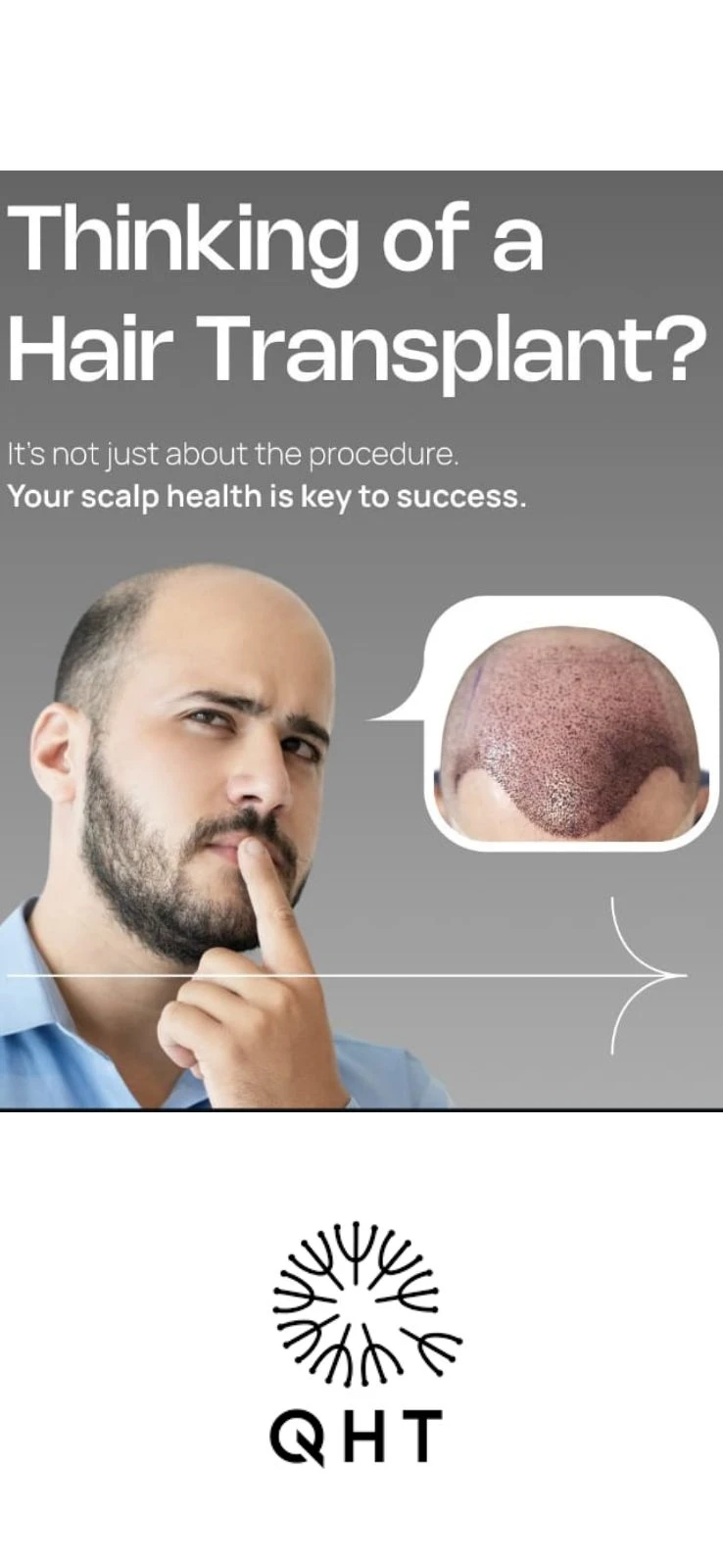

Alopecia areata is one of the most emotionally distressing forms of hair loss, characterized by sudden, unpredictable patches of hair loss that can appear anywhere on the scalp, beard, or body. Unlike the gradual, predictable progression of androgenetic alopecia, alopecia areata can change dramatically within weeks, creating profound uncertainty for those who live with it. The question of whether hair transplantation is an appropriate treatment for alopecia areata is one of the most common and most misunderstood questions in hair restoration medicine. This article provides a thorough, honest, and clinically grounded answer.
Understanding Alopecia Areata as an Autoimmune Condition
Alopecia areata is fundamentally an autoimmune disease. The immune system incorrectly identifies hair follicles as foreign targets and mounts an inflammatory attack that disrupts the hair growth cycle and halts hair production. This is distinct from androgenetic alopecia, where the underlying process is hormonal rather than immunological. The distinction matters enormously for treatment planning because surgical interventions that work well for hormonal hair loss have very different applicability in autoimmune hair loss.
The unpredictability of alopecia areata is its defining clinical challenge. Patches may resolve spontaneously, remain stable for years, or spread to involve the entire scalp (alopecia totalis) or entire body (alopecia universalis). This unpredictability fundamentally complicates surgical planning in ways that hair transplant in Delhi specialists must explain clearly to patients who present with this condition.
Why Traditional Hair Transplant Approaches Are Problematic in Active Alopecia Areata
The core problem with performing a hair transplant in a patient with active alopecia areata is that the autoimmune process that destroyed the original hair can attack the transplanted follicles with equal efficiency. A transplanted graft, however skillfully placed, does not carry immunity from the immune assault that caused the original patches. QHT Delhi Clinic specialists who have experience with alopecia areata patients are consistent in advising against transplantation in patients with active or recently active disease for precisely this reason: the investment in surgery can be erased by a subsequent immune flare.
Clinical case reports document patients who achieved initial growth from transplants into alopecia areata patches, only to experience complete loss of the transplanted hair within one to two years as the autoimmune process resumed. This outcome is not a failure of surgical technique: it reflects the fundamental biological reality that surgery cannot correct an ongoing autoimmune process.
When Transplantation May Be Appropriate for Alopecia Areata Patients
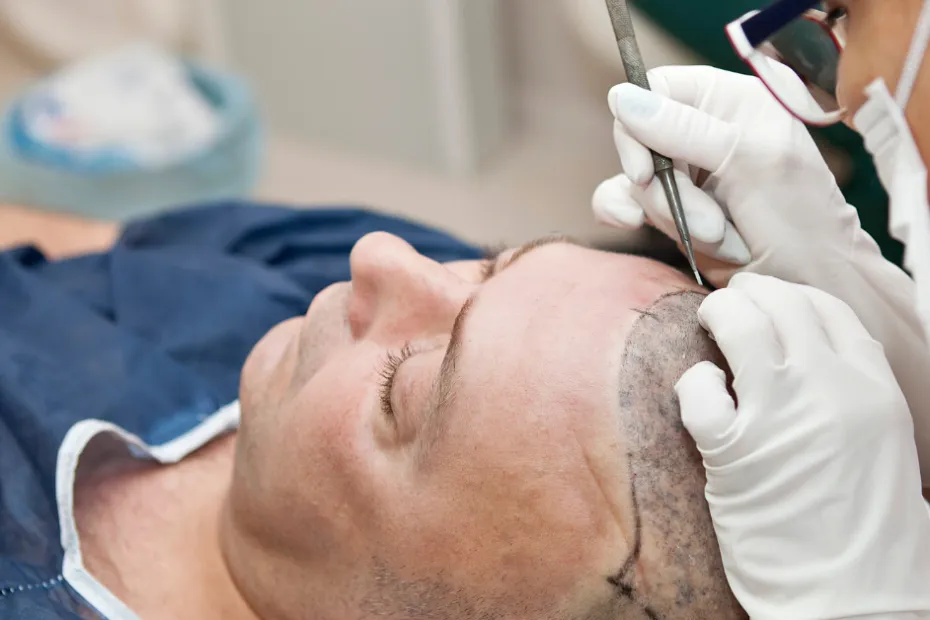
Despite these cautions, there are specific scenarios in which hair transplantation may be an appropriate option for patients who have experienced alopecia areata. The critical prerequisite is long term, documented disease stability. Patients who have been in complete remission for five or more years, with no new patches and no evidence of active autoimmune activity on trichoscopic examination, may be candidates for transplantation in stable, scarred, or permanently bald areas. hair restoration clinic in Delhi specialists use trichoscopy specifically to look for the yellow dots and other microscopic markers of active inflammation that indicate ongoing disease activity before considering any patient with an alopecia areata history for surgery.
Even in stable, long term remission patients, the surgeon should discuss the risk of post operative disease activation, which surgery itself can theoretically trigger through the inflammatory cascade of the healing process. Informed consent for these patients includes a frank acknowledgment that long term graft retention is less certain than in androgenetic alopecia patients.
Scarring Alopecia: A Different Clinical Category
It is important to distinguish alopecia areata from scarring alopecias, a category that includes conditions like lichen planopilaris, frontal fibrosing alopecia, and discoid lupus erythematosus. In scarring alopecias, the hair follicle is permanently destroyed and replaced by scar tissue, leaving no possibility of spontaneous regrowth. QHT in Delhi surgeons who assess patients with potential scarring alopecia will confirm disease inactivity before considering surgery and may request a scalp biopsy to verify that the inflammatory process has truly ceased before placing grafts into previously affected areas.
Transplantation into stable scarring alopecia lesions can produce good results when the underlying disease is genuinely inactive, but graft survival may be reduced by the compromised vascularity of scar tissue. Experienced surgeons adjust their technique and density expectations accordingly.
Medical Management as the Primary Intervention
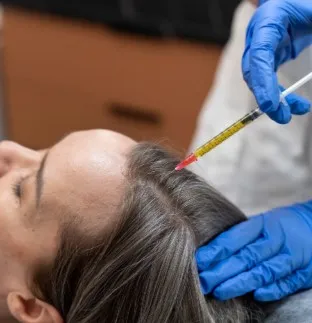
For most patients presenting with alopecia areata, medical management rather than surgery is the appropriate primary treatment. Corticosteroid injections into patches, topical immunotherapy with diphencyprone, systemic immunosuppressants, and the newer JAK inhibitor class of medications have all demonstrated efficacy in inducing and maintaining remission in alopecia areata. hair transplant services in Delhi specialists who encounter alopecia areata patients will typically refer them to a dermatologist specializing in inflammatory hair loss before any surgical discussion proceeds.
The successful use of JAK inhibitors, which block the inflammatory signaling pathways responsible for follicle attack, represents the most significant advance in alopecia areata treatment in decades. Some patients on JAK inhibitor therapy achieve substantial and sustained regrowth that may reduce or eliminate the need for transplantation entirely.
Psychological Support for Alopecia Areata Patients
The psychological impact of alopecia areata deserves specific acknowledgment. The sudden and unpredictable nature of the condition, combined with its visible impact on appearance, creates a level of psychological distress that often exceeds what is seen in gradual pattern hair loss. best clinic for hair transplant in Delhi clinicians who treat alopecia areata patients with genuine empathy, take time to fully explain the condition and its management options, and connect patients with appropriate psychological support services are providing care that addresses the whole person rather than just the scalp.
Making an Informed Decision About Surgery
If you have alopecia areata and are considering hair transplantation, the most important step you can take is to consult with a hair restoration surgeon who has specific experience with your condition. The consultation should include a trichoscopic scalp examination, a detailed disease history review, a frank discussion of surgical risk given your specific pattern and duration of disease, and a clear explanation of the alternatives to surgery. our Delhi hair experts with experience across the full spectrum of hair loss conditions are best positioned to give you an honest assessment of whether and when surgery might be appropriate for your specific situation, rather than offering a generic recommendation that fails to account for the unique clinical complexities of autoimmune hair loss.



























Sign in to leave a comment.