

Hair transplantation is not a one size fits all procedure. The techniques, graft counts, design strategies, and expected outcomes vary significantly depending on the patient's hair type, texture, curl pattern, diameter, and color contrast with the scalp. South Asian patients, who make up a significant proportion of hair transplant patients in Delhi, have specific hair characteristics that can be both advantageous and challenging in the context of hair restoration. This comprehensive guide addresses the nuances of hair transplantation across diverse hair types so that every patient can approach their procedure with accurate, personalized knowledge.
Why Hair Type Matters in Transplantation
The physical characteristics of hair, including its diameter, curl pattern, color, and how it grows from the follicle, all interact to determine how many grafts are needed, how the result will look at various densities, and what technical adjustments the surgeon must make. A surgeon who excels with one hair type but lacks experience with another may produce suboptimal results even with technically sound execution. This is why choosing a hair transplant in Delhi clinic with documented experience across diverse patient demographics is particularly important for South Asian and other non Caucasian patients.
South Asian Hair: The Straight, Black, High Contrast Scenario
The majority of South Asian patients have straight to slightly wavy dark hair with a relatively fine to medium diameter. The high contrast between dark hair and lighter scalp skin means that density perception is particularly sensitive for this group. In Caucasian patients with medium brown hair, modest graft counts can create a convincing appearance of fullness. In dark haired South Asian patients, the contrast makes any areas of low graft density more visible.
This contrast effect means that South Asian patients generally require higher graft counts per square centimeter of coverage to achieve results that look dense and natural. QHT Delhi Clinic surgeons account for this contrast calculation during graft planning and hairline design, ensuring that the result achieves the visual density the patient expects rather than the mathematical density of grafts placed.
The Advantages of Straight Hair for Transplantation
Straight hair has certain advantages in the transplant context. Follicles that grow straight from the scalp are easier to extract without transection during FUE, as the surgeon can more reliably follow the follicle's trajectory beneath the skin. Straight hair also produces more predictable directional control during implantation, making it easier to match the natural flow of existing hair.
For these reasons, patients with straight hair visiting a hair restoration clinic in Delhi can expect somewhat more straightforward surgical planning and potentially lower transection rates compared to patients with highly curly or coiled hair. The trade off, as noted, is the visibility of any density gaps created by the high contrast between hair color and scalp.
Curly and Wavy Hair: Unique Challenges and Surprising Benefits
Curly and wavy hair presents the opposite profile of challenges and advantages. The spiral growth pattern of curly hair means that the follicle beneath the skin follows a curved trajectory rather than a straight one. During FUE extraction, the rotating punch must follow this curve, which requires highly experienced surgeons with significant practice on curly hair types. In less experienced hands, curly hair patients face significantly higher transection rates.
However, curly and wavy hair offers a visual density advantage. Each hair shaft that emerges from the scalp takes up more visual space because of its natural curl, meaning that fewer grafts are needed to create the appearance of fullness compared to straight hair of the same caliber. hair transplant services in Delhi surgeons experienced with curly hair types leverage this advantage in graft allocation planning, maximizing coverage with the available donor supply.
Fine Hair: Managing Lower Coverage Per Graft
Fine hair, regardless of whether it is straight or wavy, provides less coverage per individual strand than coarser hair. Patients with naturally fine hair often worry that a hair transplant will not provide the density they are hoping for, and this concern is partially valid. Each fine hair shaft simply covers less scalp surface area than a coarser one.
There are two primary strategies for managing fine hair transplantation. The first is optimizing graft density within safe limits, packing more grafts per square centimeter in the most visible zones. The second is combining surgical grafting with scalp micropigmentation to fill visual gaps between fine hair shafts. QHT in Delhi specialists experienced with fine hair patients use both strategies as appropriate and present the options transparently during consultations.
Beard and Body Hair as Supplementary Donor Sources
For patients of any hair type who have limited scalp donor supply, beard and body hair transplantation offers a supplementary source of grafts. Beard hair is the most commonly used body donor source because its characteristics most closely approximate scalp hair, particularly in South Asian men who typically have dense, coarse beard hair.
The best clinic for hair transplant in Delhi facilities perform body hair transplantation as a component of comprehensive restoration plans, recognizing that for patients with advanced hair loss and limited scalp donors, supplementary sources can make the difference between a partial and a complete result.
Color Matching and Gray Hair Considerations
As patients age and their native hair grays, hair transplant planning must account for the evolving color landscape of the scalp. Transplanting dark donor hair into an area where surrounding native hair is graying can create an inconsistency that becomes more visible over time. Surgeons must discuss the likely graying trajectory of both donor and recipient hair during planning for older patients.
Ethnic Hairline Variation and Design Principles
Hairline shape varies significantly across ethnic groups. South Asian male hairlines typically begin slightly higher on the forehead than Caucasian hairlines and have specific temporal recession patterns that are part of a normal adult hairline rather than evidence of hair loss. Overly aggressive or ethnically inappropriate hairline design is a common mistake made by surgeons without diverse patient experience. our Delhi hair experts who specialize in South Asian patients bring an understanding of these ethnic norms that informs every design decision.
Managing Patient Expectations by Hair Type
Perhaps the most important service a surgeon provides during a hair transplant consultation is an honest, hair type specific assessment of expected results. A patient with fine, high contrast hair needs to understand the density limitations they face, while a patient with coarse, low contrast hair needs to understand the potential for excellent coverage even with a moderate graft count. hair transplant in Delhi consultations that acknowledge these individual variables produce patients who are genuinely informed, prepared, and ultimately more satisfied with their outcomes.
Selecting a Surgeon With Demonstrated Multi Hair Type Experience
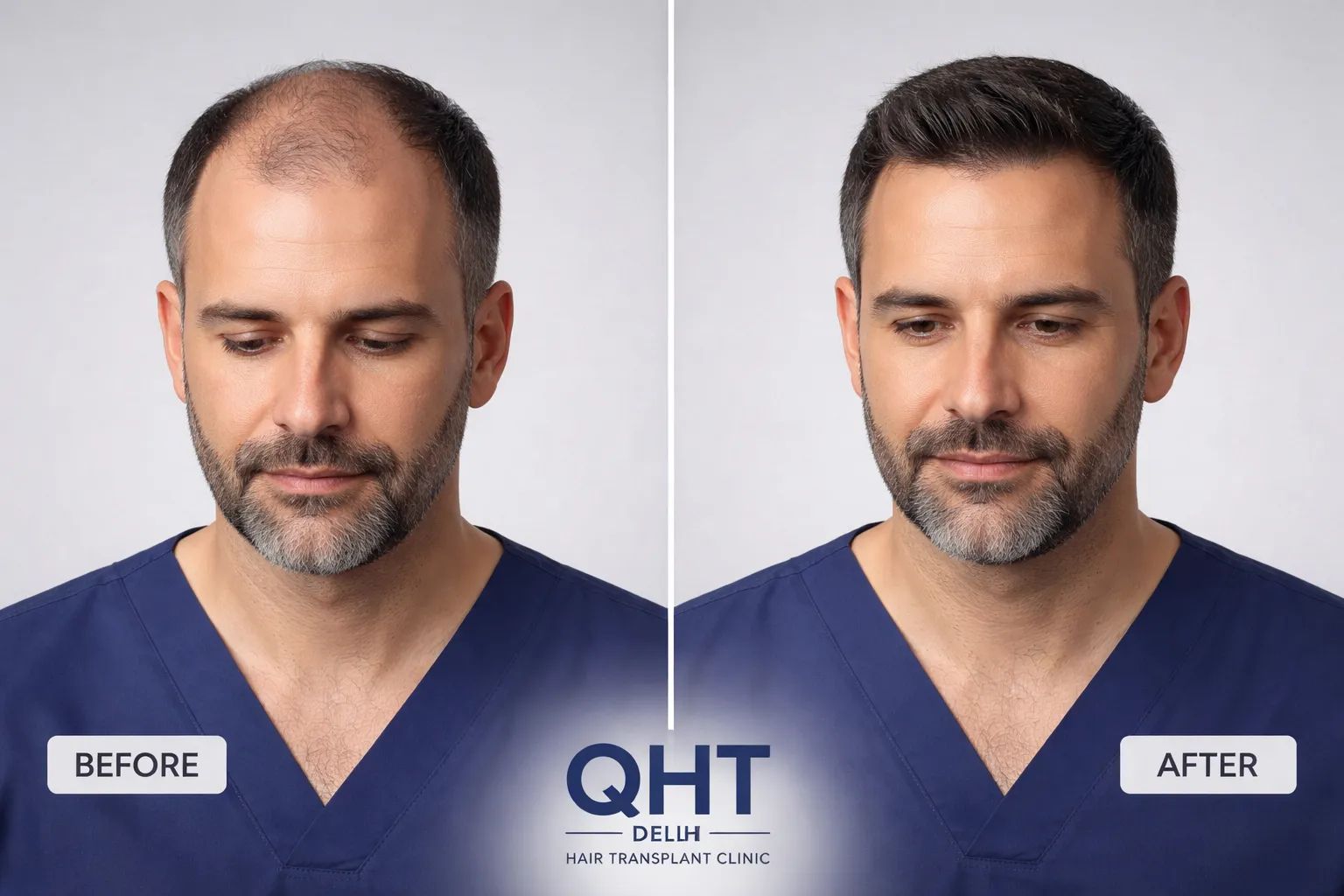
Before committing to any clinic, ask specifically to see before and after results from patients with your hair type and degree of loss. A portfolio that only shows favorable hair types or uniform patient demographics may not predict how well the clinic will serve your specific needs. learn more about the clinic's patient demographics and outcomes across diverse hair types during your initial consultation, and treat the quality and diversity of their results portfolio as a direct indicator of their readiness to serve your individual case well.


























Sign in to leave a comment.