
In most areas of medicine, seeking a second opinion is considered prudent standard practice for significant procedures. Patients routinely seek second opinions before major orthopaedic surgeries, cardiac interventions, and cancer treatments. Yet in elective cosmetic and hair restoration medicine, second opinions are sought far less frequently. This is partly because patients feel awkward challenging a doctor's recommendation, partly because the stakes seem lower when the procedure is elective rather than medically urgent, and partly because patients are often already emotionally committed to a decision by the time they have completed their first consultation. Each of these reasons for skipping a second opinion is mistaken, and this article explains why, and what to specifically look for when you seek one.
Why Second Opinions in Hair Restoration Are Particularly Valuable
Hair restoration is an area where expert opinion genuinely varies in important ways. Different surgeons have different philosophies about hairline design, different preferences for techniques, different thresholds for recommending surgery versus medical management, and different approaches to staging multi session plans. These differences are not simply matters of personal style: they lead to meaningfully different recommendations that can have lasting consequences for a patient's donor supply, cosmetic outcomes, and long term management options. hair transplant in Delhi decisions based on a single consultation deprive the patient of this important contextual information.
Additionally, the hair restoration market in Delhi includes a wide range of providers with genuinely varying levels of training, experience, and ethical standards. A second opinion from a different provider can reveal significant discrepancies in graft count recommendations, technique suggestions, and pricing that alert the patient to the possibility that they are being misled or overtreated.
What a Genuinely Useful Second Opinion Looks Like
Not all second opinions are equally useful. A second opinion from a provider in the same clinic group, from a colleague who shares the same training, or from a provider who knows you have already consulted elsewhere and is eager to win your business is less independent than a genuinely unbiased assessment. The most useful second opinions come from QHT Delhi Clinic level specialists who have no knowledge of what you were told previously and who conduct their own complete assessment before offering any recommendation.
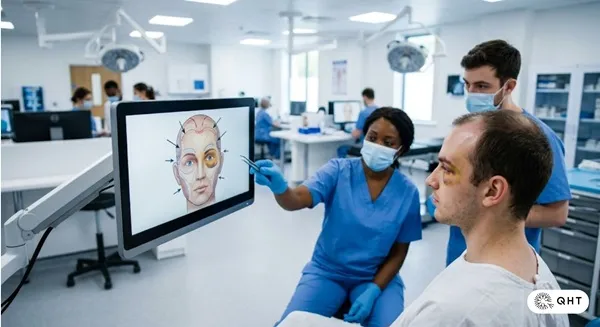
A useful second opinion appointment should include a complete scalp examination, an independent assessment of your hair loss pattern and stage, a specific graft count recommendation with rationale, a clear explanation of which technique or techniques are appropriate for your case, and a discussion of what results are realistically achievable. If the second opinion simply validates the first without explaining its reasoning, it adds little value.
How to Prepare for a Second Opinion Consultation
Preparing effectively for a second opinion maximizes what you learn from the appointment. Bring standardized photographs of your hair loss taken from multiple angles under consistent lighting. Do not bring the first clinic's treatment plan or reveal specific details of what you were told, as this can unconsciously anchor the second consultant's thinking toward or away from the previous recommendation rather than allowing a genuinely independent assessment. QHT in Delhi second opinion consultations are conducted as complete primary assessments specifically to ensure that the opinion offered is genuinely independent rather than simply a reaction to a previous recommendation.
After the second opinion, compare the two assessments systematically. Where they agree, you can feel more confident in those recommendations. Where they disagree, identify specifically what accounts for the difference: different assessments of your donor density, different philosophies about hairline design, different technique preferences, or different clinical judgments about the right timing for intervention.
Red Flags That Make a Second Opinion Urgent
Certain findings from a first consultation should prompt an immediate second opinion rather than making it simply advisable. These include a recommendation for a graft count significantly above 3,000 in a single session for a first time patient with moderate hair loss, very low pricing that is dramatically below the market rate for the number of grafts recommended, high pressure tactics to book immediately, a refusal to discuss technique alternatives, and a failure to address what will happen as hair loss continues in the future. If any of these elements are present in your first consultation, seeking an independent assessment before committing is not just prudent but essential. hair restoration clinic in Delhi providers who are confident in their clinical quality welcome second opinion processes and do not pressure patients to bypass them.
What Agreement Between Two Opinions Tells You
When two independent, qualified specialists reach similar conclusions about your candidacy, technique suitability, graft requirements, and expected outcomes, this convergence provides meaningful reassurance that the recommended approach is appropriate for your situation. This convergence is worth paying for through the time and cost of an additional consultation. hair transplant services in Delhi patients who invest in this process report higher confidence in their final decision and, because they make that decision from a position of genuine informed understanding, tend to have more realistic expectations and higher ultimate satisfaction with their outcomes.
When Two Opinions Diverge: How to Navigate the Disagreement
When two qualified specialists offer significantly different recommendations, the patient is left in a challenging position. The instinct to simply choose the more appealing recommendation, whether the lower graft count, the lower price, or the more optimistic outcome projection, is natural but risky. Instead, use the divergence as a prompt for deeper investigation. Ask each specialist specifically why their recommendation differs from what you heard elsewhere (without revealing details about the other provider). The quality and specificity of their explanations will tell you something important about their clinical reasoning.
In some cases, a third opinion from an even more senior specialist may be warranted when two credible opinions diverge significantly. best clinic for hair transplant in Delhi specialists who are asked to provide assessment in the context of a patient managing conflicting advice should welcome the opportunity and approach it with the intellectual honesty to acknowledge where their recommendation is based on clinical evidence versus personal preference.
The Ethics of the Second Opinion in Hair Restoration
Some patients worry that seeking a second opinion is disloyal or offensive to the first consultant. This concern, while understandable, is medically unfounded. Ethical medical practice explicitly endorses the patient's right to seek independent assessment before undergoing elective procedures. Any provider who discourages a second opinion, whether through direct statement or through subtle pressure, is placing their commercial interests above the patient's right to informed consent. our Delhi hair experts who operate with genuine clinical integrity understand that a patient who has sought and received a second opinion and returned to book their procedure has made a fully informed, considered decision that they are highly unlikely to regret. That quality of patient experience is worth far more than the small number of patients who seek second opinions and ultimately choose a different provider

























Sign in to leave a comment.