
The relationship between the gastrointestinal system and hair health is one of the most exciting frontiers in integrative medicine, yet it remains almost entirely absent from mainstream conversations about hair loss treatment. Patients who visit a Hair Transplant Clinic in Delhi expecting to discuss only scalp conditions are sometimes surprised to learn that what is happening in their digestive tract could be a significant contributor to the hair loss they are experiencing. Modern research into the gut microbiome, intestinal permeability, and nutrient absorption has illuminated mechanisms through which poor digestive health directly impairs the biological processes that sustain healthy hair follicle function.
This article explores the science connecting gut health to hair biology, explains why optimising digestive function matters for both non-surgical and surgical hair restoration, and provides practical guidance for patients who want to address this often-overlooked dimension of their hair health.
The Gut Microbiome and Systemic Inflammation
The human gut contains approximately 38 trillion microorganisms collectively known as the gut microbiome, which collectively perform functions critical to overall health including the synthesis of vitamins, the regulation of immune responses, the metabolism of dietary compounds, and the maintenance of intestinal barrier integrity. When the composition of this microbial community is disrupted, a condition called dysbiosis, the consequences extend far beyond the digestive system.
Dysbiosis is associated with chronic low-grade systemic inflammation, a state in which the immune system maintains a persistently elevated level of inflammatory signalling that permeates multiple organ systems. Hair follicles are exquisitely sensitive to inflammatory signalling. Inflammatory cytokines including interleukin-1 beta, tumour necrosis factor alpha, and interferon gamma have been shown to suppress the anagen growth phase, induce premature entry into catagen, and in sustained cases, contribute to the miniaturisation of follicles that is the hallmark of progressive hair loss.
Research has identified microbiome dysbiosis in patients with alopecia areata, seborrhoeic dermatitis, and even androgenetic alopecia at higher rates than in controls, suggesting that disrupted gut ecology may be a contributing factor in multiple forms of hair loss rather than an incidental finding.
Intestinal Permeability and Nutrient Absorption
A healthy intestinal lining acts as a selective barrier, allowing nutrients to be absorbed into the bloodstream while preventing the passage of pathogens, toxins, and incompletely digested food particles. Chronic inflammation, antibiotic overuse, non-steroidal anti-inflammatory drug use, poor dietary patterns, and psychological stress can compromise this barrier, increasing intestinal permeability in a state colloquially known as leaky gut.
When intestinal permeability is increased, two hair-relevant consequences follow. First, the absorption of nutrients that are essential for follicular function, including iron, zinc, magnesium, B vitamins, and amino acids, is impaired even when dietary intake is adequate. A patient consuming a nutritionally complete diet may still be functionally deficient in follicle-critical nutrients if their intestinal absorption is compromised. This means that simply prescribing supplements without addressing the underlying absorptive deficit may produce incomplete benefit.
Second, the inflammatory immune activation that results from increased permeability creates the systemic inflammatory environment described above, which suppresses hair follicle activity through cytokine-mediated mechanisms.
The B Vitamin Synthesis Connection
An often-unappreciated contribution of the gut microbiome to hair health is its role in synthesising B vitamins, particularly biotin, folate, and vitamin B12. These vitamins are essential for the rapid cell division of the hair follicle matrix and for the synthesis of amino acids used in keratin production. While dietary intake of B vitamins is important, a significant proportion of the body's B vitamin supply is synthesised by gut bacteria.
Patients who have taken repeated or prolonged courses of broad-spectrum antibiotics, who have inflammatory bowel conditions, or who have poor dietary fibre intake that fails to support a diverse microbiome may have impaired endogenous B vitamin synthesis that contributes to hair loss independently of dietary adequacy. This is one reason why biotin supplementation produces variable results: it may be helpful in patients with true biotin deficiency from impaired gut synthesis but is unlikely to benefit patients whose biotin status is already adequate.
Practical Gut Health Optimisation for Hair Restoration Patients
For patients preparing for hair transplant surgery or managing progressive hair loss non-surgically, optimising gut health is a meaningful complementary strategy. A diet high in diverse plant fibres, including legumes, whole grains, vegetables of multiple colours, and fermented foods such as yoghurt, kefir, and idli and dosa in traditional Indian cuisine, supports a diverse and healthy microbiome. Reduction of ultra-processed foods, refined sugars, and alcohol, all of which are associated with dysbiosis, provides a supportive dietary environment for gut health improvement.
Probiotic supplementation with well-characterised strains including Lactobacillus and Bifidobacterium species has been shown in clinical trials to reduce systemic inflammatory markers and improve intestinal barrier function. For patients with documented dysbiosis or with a history of heavy antibiotic use, a structured probiotic course under medical guidance may be a worthwhile investment in the overall health environment that supports hair restoration outcomes.
Gut Health and Post-Transplant Recovery
The relevance of gut health extends specifically to the post-operative period after hair transplantation. The wound healing process requires robust immune function, efficient nutrient delivery to healing tissues, and low systemic inflammatory burden. All three of these requirements are directly supported by a healthy gut microbiome. Patients with optimal gut health demonstrate better wound healing kinetics, and the improved nutritional absorption that accompanies good gut function ensures that the transplanted follicles have access to the amino acids, vitamins, and minerals they need to establish themselves and begin producing new hair.
Patients in Delhi considering Hair Transplant in Delhi procedures are increasingly asking about the integrative health factors that influence their outcomes. The most forward-thinking clinics recognise that comprehensive pre-operative preparation should address gut health, nutritional status, and systemic inflammatory burden alongside the standard surgical planning parameters. This integrated approach consistently produces superior outcomes compared to a purely procedure-focused model.
The connection between gut health and hair restoration is not a fringe concept; it is a clinically grounded dimension of whole-patient care that experienced practitioners are incorporating into their assessment and treatment planning frameworks. Patients who take this aspect of their preparation seriously give themselves a meaningful biological advantage.
When to Seek Specialist Gut Health Assessment
Patients with documented inflammatory bowel conditions, significant histories of antibiotic use, chronic digestive symptoms including bloating, irregular bowel habits, or abdominal discomfort, or laboratory evidence of poor nutritional absorption despite adequate dietary intake should consider a specialist gastroenterology or integrative medicine assessment before or alongside their hair restoration journey. Addressing significant gut health issues in collaboration with a qualified specialist may meaningfully improve both the systemic environment for hair growth and the absorption of any supplements or medications prescribed as part of the hair restoration plan.
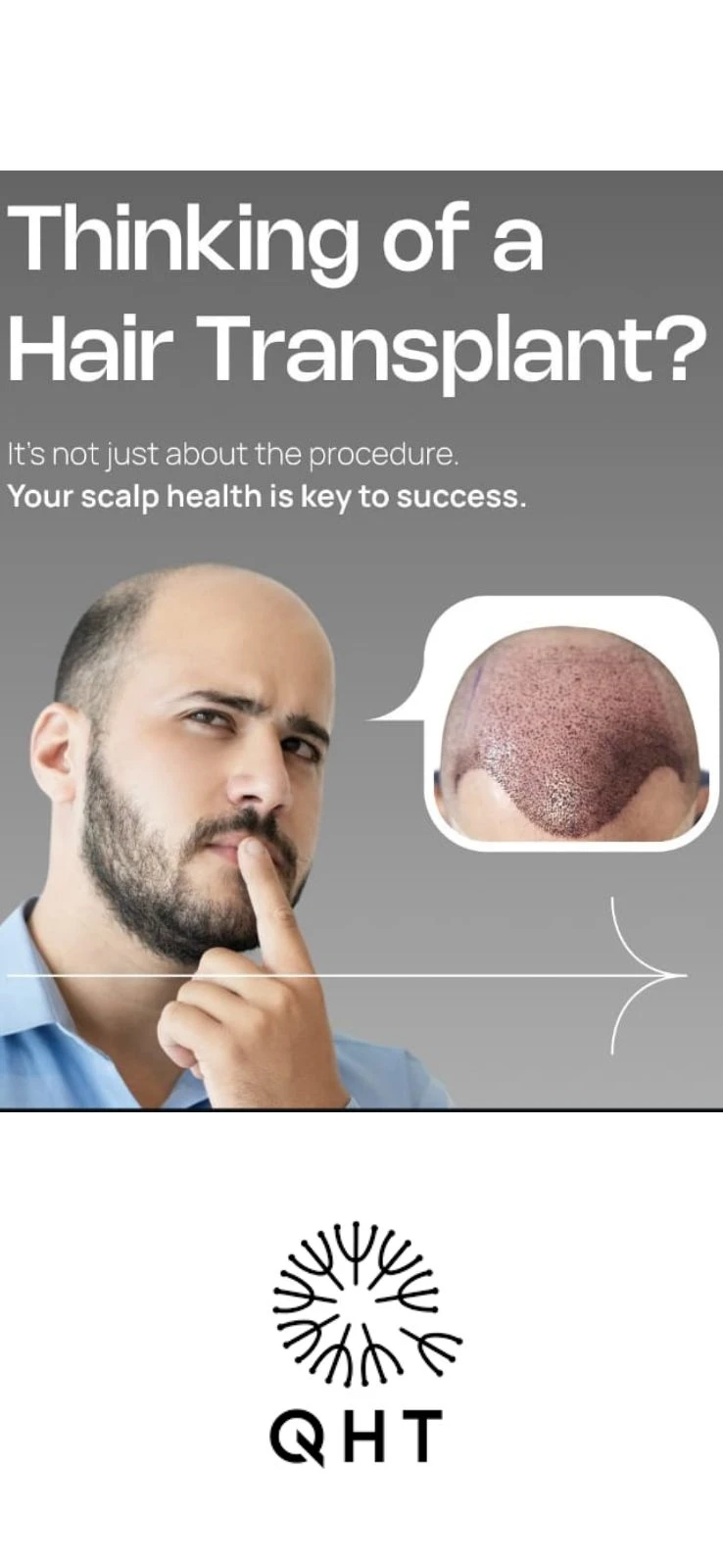
Understanding the full picture of what a comprehensive hair restoration journey involves, including the value of integrative health preparation, informs a clearer view of Hair Transplant Cost in Delhi over the entire treatment arc. Clinics that guide patients through the biological and lifestyle dimensions of their preparation, not just the surgical procedure itself, deliver a more complete and more durable result. QHT Clinic provides this comprehensive guidance as a core component of its patient care philosophy.


























Sign in to leave a comment.