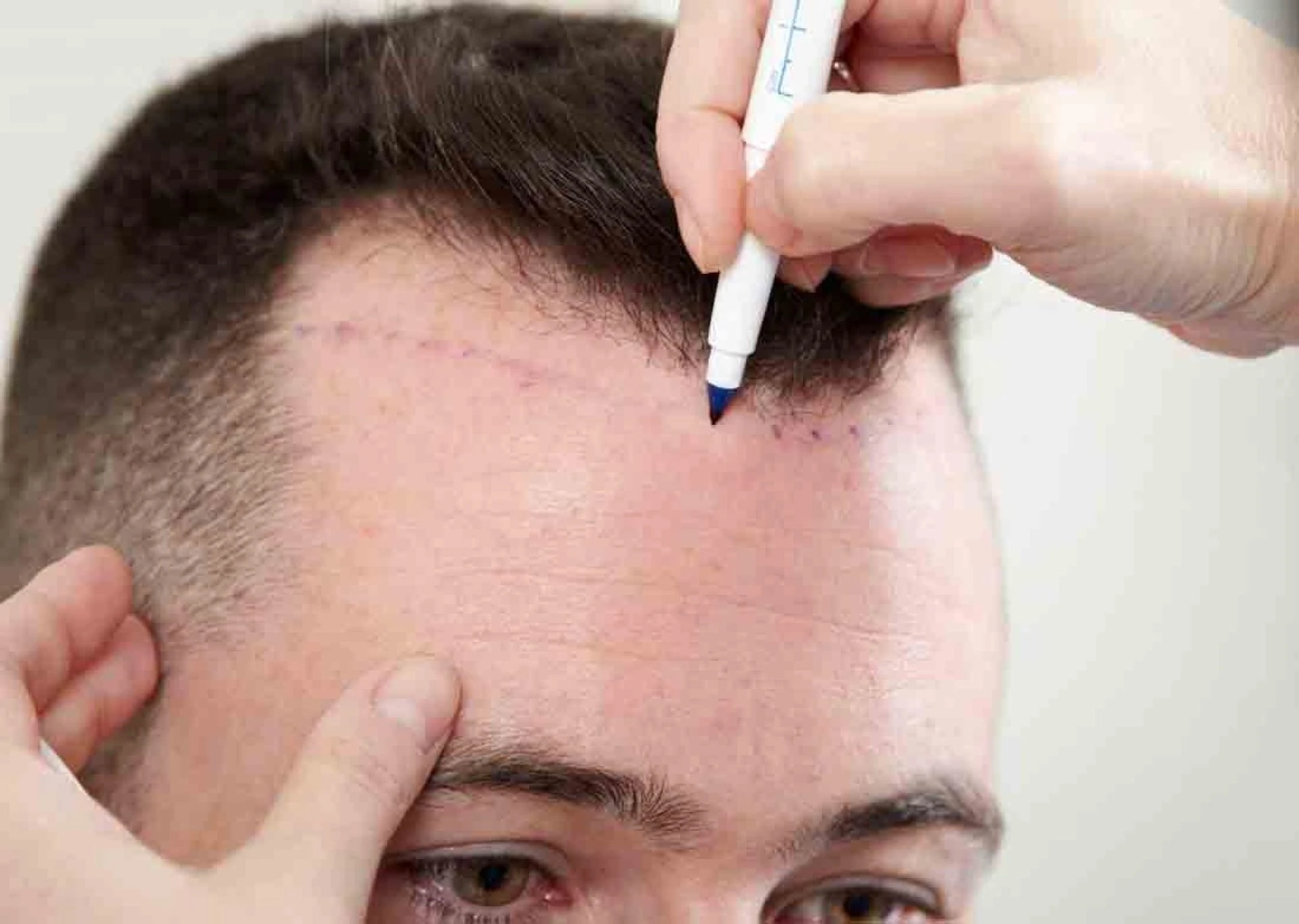

Hair loss can pose a significant challenge for individuals experiencing it, as everyone aims to address it in a way that maintains their aesthetic appearance and prevents any potential embarrassment. The psychological impact of hair loss or balding can be quite profound. While many people opt for natural remedies to combat hair loss, permanent solutions often prove elusive. In such cases, individuals often turn to temporary solutions such as wigs and prosthetic hair, which are readily available in the market. Medications are also commonly recommended by doctors for early stages of hair loss, although they may not be as effective for more advanced cases of baldness. Hair transplant surgery is often viewed as the most effective solution for hair loss. It is important to carefully consider the pros and cons of prosthetic hair and hair transplant procedures in order to determine which option offers the best solution for addressing the issue of hair loss.
What is prosthetic hair treatment for hair loss?
Prosthetic hairs, also referred to as cranial prosthesis, are personalized wigs designed for individuals experiencing hair loss due to systemic disorders or medical conditions. Unlike regular wigs, prosthetic hairs are specifically tailored to cover bald spots or areas with reduced hair density. These artificial hairs are attached to a specialized patch made for the patient's unique needs, mimicking the appearance of the scalp. This treatment option serves as a non-surgical alternative to hair replacement procedures, offering a temporary or partial solution.
Prosthetic hair is a type of wig that is crafted from genuine human hair, closely resembling natural hair. It is attached to the scalp using a device that mimics human skin, allowing the skin to breathe without any hindrance. High-quality prosthetic hair is made from materials that closely mimic or are actual human hair. Skilled professionals carefully assess the scalp to match the color and texture of the natural hair and skin before creating the prosthesis. This hairpiece can be worn continuously, even in water or during showers, for a period of 6 to 12 months. However, it is not a permanent solution for hair loss. The duration of use depends on the quality of materials and the maintenance of the prosthesis, but it should not be worn for more than a year.
What is hair transplantation?
Hair transplantation is a surgical procedure performed on an outpatient basis, where hair grafts are harvested from a selected donor area containing DHT resistant hair follicles. These follicles are then transplanted to the targeted bald area. The chosen DHT resistant hair follicles, also known as permanent hair roots, are carefully selected due to their lack of receptors for androgenic hormones, ensuring their longevity.
The hair transplant procedure offers the sole permanent resolution for hair loss concerns, delivering natural-looking outcomes. The process entails extracting hair grafts from donor regions with permanent roots and relocating them to the recipient sites. Since only your own hair is utilized, it is essential for the donor areas to have a sufficient amount of donor hair to qualify for the procedure.
The duration of this process ranges from 4 to 8 hours, depending on the quantity of hair grafts required and the chosen technique for the procedure. The two techniques utilized for the procedure are FUT and FUE hair transplant techniques. These methods differ in their approach to graft harvesting and are selected for each patient according to their individual circumstances and needs.
The hair transplant procedure is carried out in the following steps:
Hair trimming is done based on the chosen technique for the hair transplant procedure.Local anesthesia is applied to both the donor and recipient areas.Hair grafts are extracted from donor sites, typically from the back and sides of the head or other body regions.Incisions are made on the balding area to prepare for the transplantation of hair grafts.Hair grafts are transplanted to the desired bald area while taking into account the design of the hairline.Patients are given post-operative guidelines and may receive PRP therapy if recommended.Follow-up appointments are scheduled to monitor progress.Is hair transplant better than prosthetic hairs?
Upon evaluating both procedures, it is clear that the hair transplant procedure would receive more votes due to its superior quality and outcomes. The distinctions between hair transplant procedures and prosthetic hair are outlined below:
Hair transplant procedures are minimally invasive and do not result in any post-procedure complications. You can return to work right away. Conversely, prosthetic hairs are non-invasive procedures.Hair transplant offers permanent results, while prosthetic hair outcomes may be temporary or semi-permanent.Both hair transplant procedures and prosthetic hairs can produce natural-looking results. However, even the highest quality prosthetic hair can be noticeable to others, which can be quite embarrassing.Hair transplants do not require any maintenance or replacements once the physical recovery is complete. On the other hand, prosthetic hair requires regular maintenance and replacements every 6 to 12 months.Medispa clinic for hair transplant in India has been delivering outstanding results with top-notch services since 2005, earning a reputation for excellence. Dr. Suneet Soni is a renowned hair transplant surgeon known for his exceptional success rates and natural-looking results. Our clinic provides world-class facilities at a reasonable hair transplant cost in India.

























Sign in to leave a comment.