
In a world where the rhythm of life often seems discordant, music emerges as the universal language that transcends boundaries, connects souls, and harmonizes minds. Music education, far more than just a curriculum subject, is a gateway to unlocking creativity, fostering emotional intelligence, and nurturing holistic development. Let's delve into the intricacies of music education and explore its profound impact on individuals and society.
Unlocking Creativity: Music education serves as a catalyst for unleashing the boundless potential of human creativity. From composing melodies to improvising harmonies, students engage in a process that encourages experimentation and innovation. By learning to express themselves through music, individuals develop the confidence to think outside the box, explore new ideas, and embrace their unique artistic voice. Whether they're strumming a guitar, tickling the ivories, or belting out lyrics, students discover the joy of creation and the power of their imagination.
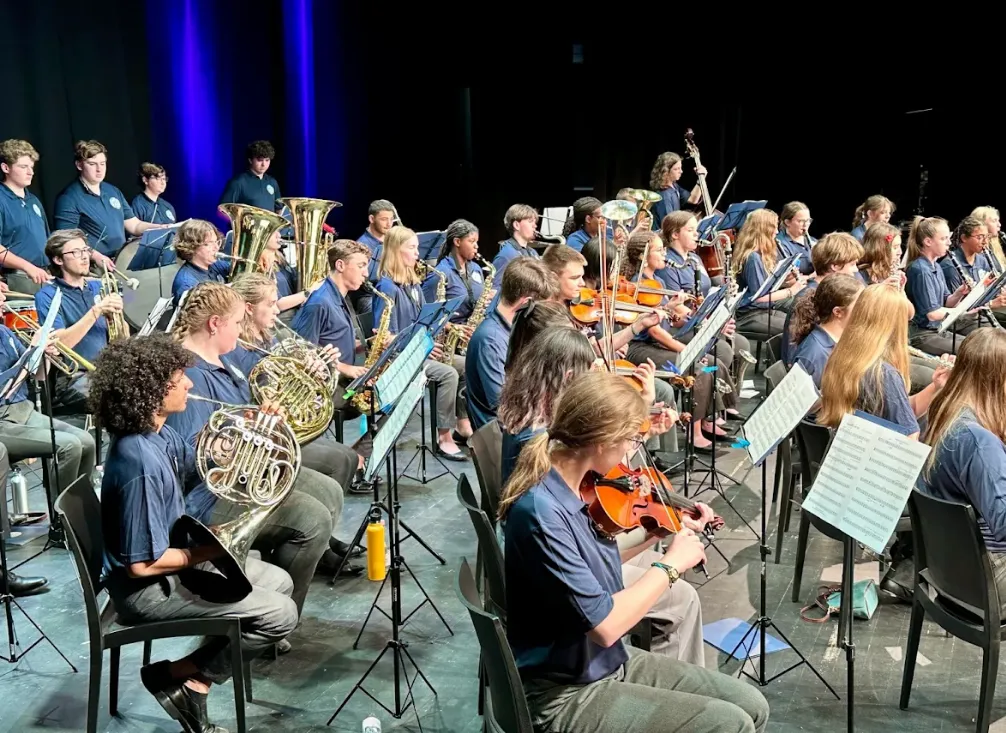
Fostering Emotional Intelligence: Beyond notes and chords, music education nurtures emotional intelligence, equipping students with invaluable skills for navigating the complexities of human relationships. Through music, individuals learn to recognize and interpret emotions, both in themselves and others. Whether it's the melancholy strains of a violin or the uplifting melodies of a choir, music has the remarkable ability to evoke a wide range of feelings and experiences. By engaging with music empathetically, students develop empathy, compassion, and resilience, laying the foundation for meaningful connections and a deeper understanding of the human condition.
Cultivating Discipline and Perseverance: Learning to master an instrument or perfect a performance requires discipline, dedication, and perseverance. Music education instills these essential life skills, teaching students the value of hard work, practice, and patience. From mastering complex rhythms to memorizing intricate passages, students learn to set goals, overcome obstacles, and celebrate their progress. Through the process of continual refinement, they develop a growth mindset and a steadfast determination to pursue excellence in all areas of life.
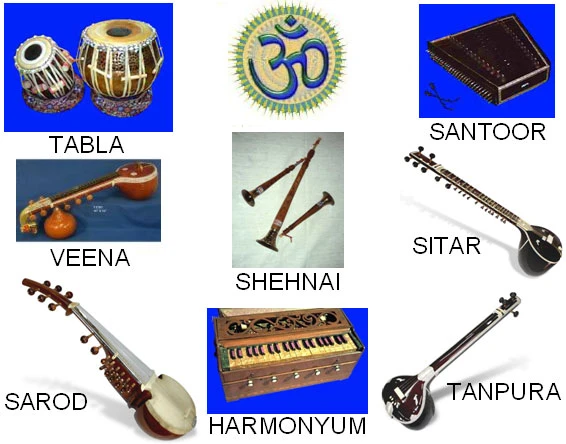
Promoting Cultural Understanding: Music is a rich tapestry woven from the threads of diverse cultures, traditions, and experiences. Through music education, students embark on a journey of exploration, discovering the vibrant mosaic of global musical heritage. Whether they're learning the rhythms of jazz, the melodies of classical symphonies, or the beats of world percussion, students gain a deeper appreciation for the rich tapestry of human expression. By celebrating cultural diversity through music, they foster mutual respect, understanding, and solidarity, breaking down barriers and building bridges across communities and continents.
Empowering Social Change: Music has always been a powerful force for social change, inspiring movements, amplifying voices, and uniting people in pursuit of a better world. Music education empowers students to harness the transformative power of music as a tool for social justice and advocacy. Whether they're composing protest songs, organizing benefit concerts, or using music as a platform for dialogue and collaboration, students learn to become agents of change in their communities and beyond. By raising awareness, fostering empathy, and promoting positive action, they embody the true spirit of music as a force for good in the world.
Conclusion: In a society that often prioritizes standardized tests over artistic expression, music education remains a beacon of hope, reminding us of the transformative power of creativity, empathy, and collaboration. By nurturing the next generation of musicians, composers, and music enthusiasts, we ensure that the symphony of human experience continues to resonate with harmony, compassion, and understanding. As we embrace the melody of possibility, let us remember that the journey of music education is not just about mastering notes and rhythms but about harmonizing minds and enriching lives.

























Sign in to leave a comment.