
If you've ever marveled at the sleek design of a smartphone or the compact size of a wearable device, you have likely encountered High-Density Interconnect (HDI) PCBs. These advanced circuit boards play a crucial role in enabling the high performance and miniaturization of modern electronic devices by packing more functionality into a smaller footprint.
Definition of HDI PCBs
HDI PCBs are a type of HDI Printed Circuit Board designed with high-density interconnections that allow for the efficient routing of signals between components in a compact space. By incorporating microvias, fine lines, and multiple layers, HDI technology maximizes the use of available surface area, resulting in smaller, lighter, and more sophisticated electronic devices.
Evolution and Importance of HDI Technology
The evolution of HDI technology has been driven by the demand for smaller and more powerful electronic devices with enhanced functionality. As consumer electronics continue to shrink in size while increasing in complexity, HDI PCBs have become essential for meeting the performance and space-saving requirements of modern gadgetry.
Benefits of HDI PCBs in Compact Electronic Devices
Increased Component Density
HDI PCBs enable a higher component density by allowing for more connections in a limited space. This translates to the integration of additional features and functions in smaller devices, offering manufacturers the flexibility to innovate without compromising on performance.
Improved Signal Integrity
With shorter interconnect lengths and reduced electromagnetic interference, HDI PCBs contribute to improved signal integrity. By minimizing signal loss and distortion, these advanced circuit boards ensure reliable communication between electronic components, leading to enhanced overall device performance.
Enhanced Thermal Management
Effective thermal management is crucial for maintaining the optimal operating temperature of electronic devices. HDI PCBs facilitate the efficient dissipation of heat generated during operation, reducing the risk of overheating and extending the lifespan of components. This feature is especially critical in compact devices where space constraints limit traditional cooling methods.
Design Considerations for HDI PCBs
Layer Stackup Design
The layer stackup design of HDI PCBs plays a significant role in determining signal integrity, power distribution, and thermal performance. By carefully planning the arrangement of signal, power, and ground planes, designers can optimize the functionality and reliability of the circuit board within the constrained space of compact electronic devices.
Routing and Via Planning
Efficient routing and via planning are essential for ensuring signal integrity and minimizing electromagnetic interference in HDI PCBs. By strategically routing traces and placing vias, designers can reduce signal reflections, crosstalk, and impedance variations, thereby enhancing the overall performance of the circuit board.
Signal Integrity Optimization
Signal integrity optimization involves mitigating signal distortions and losses that can occur due to high-speed signaling in HDI PCBs. Through careful consideration of trace lengths, impedance matching, and signal return paths, designers can maintain signal integrity, reduce noise, and prevent data errors, resulting in reliable and robust electronic devices.
Manufacturing Process of HDI PCBs
Laser Drilling and Microvia Formation
The manufacturing of HDI PCBs involves precision techniques such as laser drilling and microvia formation to create intricate interconnections between layers. By utilizing advanced equipment and processes, manufacturers can achieve high-density interconnects with fine pitch, enabling the realization of compact and complex electronic designs.
Sequential Lamination Techniques
Sequential lamination plays a crucial role in building up the multiple layers of HDI PCBs while maintaining signal integrity and thermal performance. By sequentially bonding layers of copper foil and insulating materials, manufacturers can create a dense and reliable circuit board structure that meets the stringent requirements of compact electronic devices.
Plating and Surface Finishing
The plating and surface finishing processes in HDI PCB manufacturing are essential for ensuring the electrical performance and reliability of the circuit board. Through techniques such as copper plating, solder mask application, and surface finishes like immersion gold or OSP, manufacturers can protect the conductive traces, vias, and pads, while enhancing the solderability and durability of the PCB.
Applications of HDI PCBs in Modern Electronics
Smartphones and Wearable Devices
HDI PCBs play a crucial role in the slim and sleek design of smartphones and wearable devices. These boards enable the compact integration of components, allowing for smaller form factors without compromising performance. From advanced processors to high-resolution displays, HDI PCBs ensure reliable connectivity and efficient power distribution in these everyday gadgets.
Automotive Electronics
In the automotive industry, HDI PCBs are driving innovation by enabling the incorporation of sophisticated features in vehicles. From advanced driver assistance systems to infotainment units, these boards support the seamless operation of electronics in cars. Their high-density interconnections enhance signal integrity and reduce electromagnetic interference, ensuring reliable performance on the road.
Medical Devices and IoT Applications
In the healthcare sector and Internet of Things (IoT) landscape, HDI PCBs are instrumental in powering cutting-edge devices. These boards support the miniaturization of medical equipment, such as implantable devices and diagnostic tools, while also facilitating the connectivity of IoT devices for smart homes and cities. With enhanced reliability and signal integrity, HDI PCBs are transforming the way healthcare is delivered and IoT ecosystems operate.
Quality Assurance and Testing of HDI PCBs
Inspection Techniques
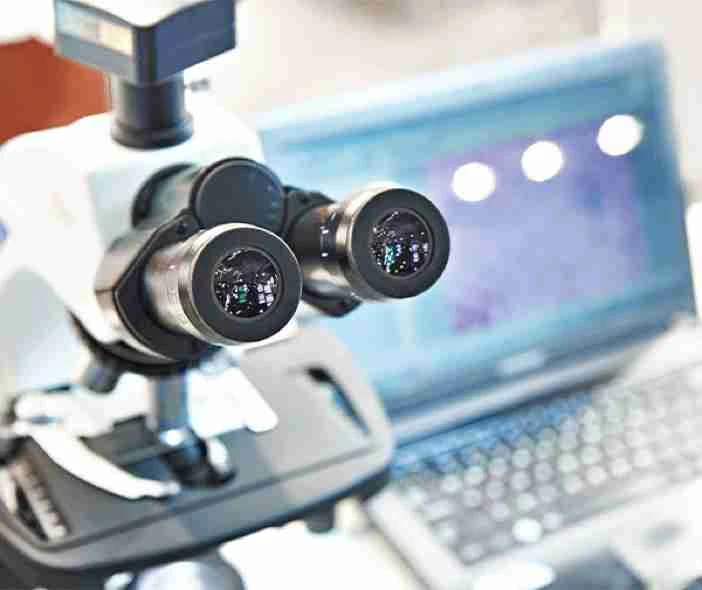
Ensuring the quality of HDI PCBs involves rigorous inspection techniques, including automated optical inspection (AOI) and X-ray inspection. AOI identifies defects in soldering and component placement, while X-ray inspection provides a detailed view of internal features, such as vias and microvias. These techniques help manufacturers maintain high standards of quality and reliability in HDI PCB production.
Reliability Testing
Reliability testing is essential for assessing the performance and durability of HDI PCBs under various environmental conditions. Thermal cycling, vibration testing, and accelerated aging tests help evaluate the board's ability to withstand temperature fluctuations, mechanical stress, and long-term usage. By subjecting HDI PCBs to rigorous testing, manufacturers can ensure their products meet industry standards and customer expectations.
Compliance and Certification Standards
Meeting compliance and certification standards is paramount in the production of HDI PCBs for critical applications. Certifications such as ISO 9001 and IPC standards validate the quality management systems and manufacturing processes employed by PCB manufacturers. Compliance with regulations like RoHS and REACH ensures that HDI PCBs are environmentally friendly and safe for use in electronic devices worldwide.
Future Trends and Innovations in HDI PCB Technology
Ultra-Thin Substrates
The trend towards ultra-thin substrates in HDI PCBs is driven by the demand for lightweight and flexible electronic devices. Thinner substrates reduce the overall thickness of PCBs, making them ideal for compact gadgets and wearable technology. By incorporating ultra-thin materials, manufacturers can achieve greater design flexibility and miniaturization in next-generation electronic products.
3D Integration Techniques
3D integration techniques are revolutionizing the design and functionality of HDI PCBs by enabling the stacking of multiple layers in a compact space. Through technologies like through-silicon vias (TSVs) and chip stacking, manufacturers can enhance the performance and connectivity of electronic devices. 3D integration allows for higher component density, improved signal integrity, and reduced interconnect lengths, paving the way for more efficient and powerful electronics.
Flexible and Stretchable HDI PCBs
The development of flexible and stretchable HDI PCBs is opening up new possibilities in wearable technology, healthcare devices, and IoT applications. These boards can bend, twist, and conform to irregular shapes, allowing for seamless integration into clothing, medical patches, and sensor arrays. By combining HDI technology with flexible substrates and stretchable materials, manufacturers can create innovative products that adapt to the needs of users in diverse industries
Closing Thoughts on HDI PCBs
As technology continues to advance, HDI PCBs are poised to play a crucial role in enabling the development of even more compact and powerful electronic devices. With their benefits in terms of component density, signal integrity, and thermal management, HDI PCBs are essential for meeting the demands of modern electronics. By considering design factors, manufacturing processes, and quality assurance measures, the full potential of HDI PCBs can be realized. Looking ahead, future trends like ultra-thin substrates, 3D integration, and flexible designs signal exciting possibilities for the continued evolution of HDI PCB technology. Embracing these innovations will drive further enhancements in performance and functionality, ensuring that HDI PCBs remain at the forefront of the electronics industry.


























Sign in to leave a comment.