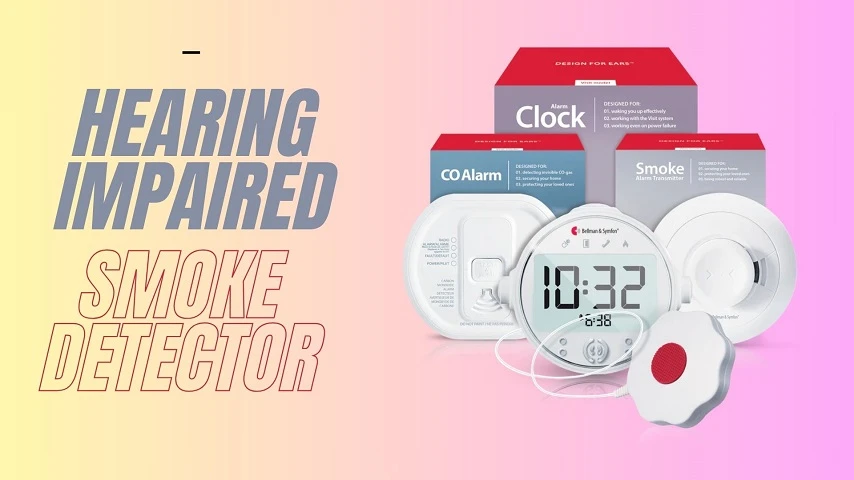

Smoke detectors save lives, but traditional models often rely on auditory alarms. For individuals who are deaf or hard of hearing, this can be a significant safety concern. Thankfully, advanced hearing impaired smoke detectors are designed to bridge this gap, offering tailored solutions that prioritize inclusivity and safety.
This article explores why these devices are crucial, how they work, and what to look for when choosing the best option for your home.
Why a Hearing Impaired Smoke Detector is Essential
Home safety is a universal need, but the traditional methods of alerting people to danger fall short for those who cannot hear alarms. In emergencies such as a fire, seconds count and missing an auditory signal can have life-threatening consequences. Hearing-impaired smoke detectors use alternative alert methods, such as:
- Vibrations: Devices that shake beds or other surfaces.
- Visual Signals: Bright flashing lights that capture attention.
- Smart Notifications: Alerts sent directly to smartphones.
These features ensure that everyone, regardless of hearing ability, is immediately aware of potential danger.
How Does a Deaf Smoke Alarm Work?
Unlike traditional smoke detectors, which rely solely on sound, deaf smoke alarms incorporate multiple sensory methods:
- Visual Alerts: Bright LED strobes flash to alert you to danger. These lights are designed to penetrate peripheral vision, ensuring visibility even in dim or obstructed conditions.
- Tactile Alerts: Vibrating pads can be placed under mattresses or cushions. In the event of an alarm, these pads shake vigorously, waking individuals from sleep.
- Smart Technology: Many modern detectors connect to smartphones, sending push notifications or activating connected smart home devices.
These features are carefully crafted to ensure comprehensive safety coverage, regardless of the user's hearing ability.
Features to Consider in a Hearing Impaired Smoke Detector
When choosing a smoke detector for a deaf or hearing-impaired household, it's important to consider the following:
1. Alarm Intensity and Range
Opt for models with high-intensity strobe lights and strong vibrations. Ensure the range is sufficient to cover the entire home or strategically place multiple units for full coverage.
2. Integration with Smart Home Systems
Smart detectors that sync with systems like Alexa, Google Home, or Apple HomeKit provide an additional layer of convenience and safety.
3. Battery Life and Backup
Reliable battery life is critical. Look for models with long-lasting batteries and backup systems to prevent failure during power outages.
4. Compliance with Safety Standards
Check for UL certification or compliance with local fire safety regulations to ensure reliability and effectiveness.
5. Portability and Ease of Installation
Some models are portable or easily installed without professional assistance, ideal for renters or frequent movers.
Top Benefits of Smart Smoke Detectors for the Hearing Impaired
1. Peace of Mind
Knowing that your smoke alarm is tailored to your needs allows you to rest more easily, whether home alone or sleeping soundly.
2. Enhanced Safety for Families
These alarms ensure that households with mixed hearing abilities are equally protected in emergencies.
3. Improved Accessibility
Innovative designs focus on inclusivity, ensuring no one is vulnerable due to traditional smoke alarm limitations.
4. Remote Monitoring
Smart detectors enable you to monitor your home's safety even when you're away. Notifications on your phone keep you informed about any potential hazards.
Setting Up Your Hearing Impaired Smoke Detector
Installation is straightforward for most models, but there are some key steps to ensure optimal performance:
- Choose Strategic Locations: Place alarms in bedrooms, hallways, and other high-risk areas like kitchens.
- Test Regularly: Check all features, including lights, vibrations, and connectivity, to confirm functionality.
- Integrate with Smart Devices: Sync the detector with your smartphone or smart home system for added convenience.
- Educate Household Members: Ensure everyone in the home understands how the system works and how to respond to alerts.
Popular Brands Offering Hearing Impaired Smoke Detectors
Several companies specialize in safety products for the deaf and hard of hearing. Some well-regarded options include:
- Bellman & Symfon: Known for their high-quality vibrating alarms.
- Kidde: Offers affordable models with strobe and smart features.
- First Alert: Provides UL-certified devices with various features for different needs.
Common Misconceptions About Deaf Smoke Alarms
"They're too expensive."
While specialized detectors may cost more than traditional models, the investment is worthwhile for the added safety and peace of mind they provide.
"They're complicated to use."
Modern, user-friendly designs often have intuitive apps or manuals for easy operation.
"I don't need one if I'm home most of the time."
Fires can occur unexpectedly, even during sleep. A comprehensive alarm system ensures you're protected at all times.
How Smart Smoke Detectors Save Lives
Data shows that early detection dramatically reduces fire-related injuries and fatalities. Smart detectors provide life-saving alerts for those with hearing impairments that ensure quick evacuation. Additionally, the ability to notify emergency contacts or first responders can expedite help.
Hearing Impaired Smoke Detector in Action
Imagine you're asleep when a fire starts in your kitchen. A traditional alarm would ring loudly, but you wouldn't hear it. However, a hearing impaired smoke detector activates its strobe lights, vibrating pad, and smartphone alert simultaneously, waking you and notifying your family. This swift response could be the difference between safety and disaster.
Conclusion
A hearing impaired smoke detector is not just a device; it's a critical tool for ensuring the safety and well-being of those with hearing loss. With various features like flashing lights, vibrating alerts, and smart connectivity, these devices are indispensable in creating inclusive and secure environments.
Investing in one of these life-saving tools is a small step that offers invaluable protection, ensuring peace of mind for you and your loved ones.
























Sign in to leave a comment.