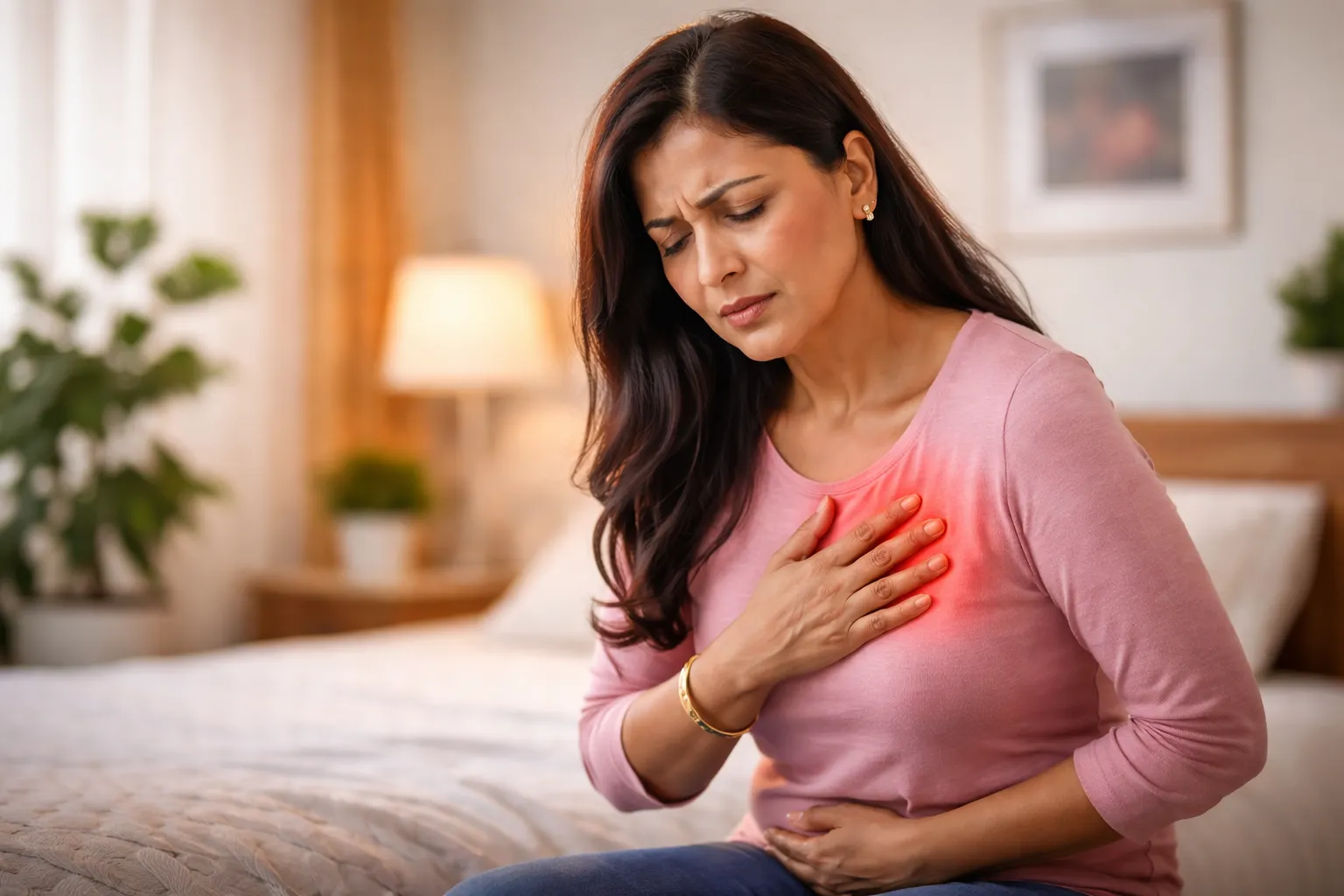

Heart disease is often seen as a “men’s health issue,” but the reality is very different. It is one of the leading causes of death among women, and the symptoms are often subtle, unusual, and easy to overlook.
At Calcutta Heart Clinic & Hospital Society, specialists stress the importance of early recognition and timely care to protect women’s heart health.
Why Heart Disease in Women Is Different
Women experience heart disease differently than men due to:
- Hormonal changes (especially after menopause)
- Smaller coronary arteries
- Differences in symptom presentation
👉 These differences often lead to delayed diagnosis and treatment.
⚠️ Common Heart Disease Symptoms in Women
While chest pain can occur, many women experience less obvious warning signs, including:
1. Unusual Fatigue
- Feeling extremely tired without clear reason
- Difficulty performing routine activities
👉 Often mistaken for stress or lack of sleep.
2. Shortness of Breath
- Breathlessness during rest or mild activity
- Feeling unable to take a deep breath
3. Nausea or Indigestion
- Upset stomach
- Vomiting or discomfort similar to acidity
👉 Frequently confused with digestive issues.
4. Back, Neck, or Jaw Pain
- Pain that spreads beyond the chest
- Persistent discomfort without obvious cause
5. Mild or No Chest Pain
- Instead of intense pain, women may feel:
- Pressure
- Tightness
- Burning sensation
6. Dizziness or Lightheadedness
- Feeling faint or weak
- Sudden loss of balance
7. Cold Sweats
- Unexplained sweating
- Clammy skin
Symptoms Often Ignored (But Dangerous)
Many women dismiss these signs as minor issues:
- Persistent fatigue
- Sleep disturbances
- Anxiety or uneasiness
- Mild chest discomfort
- Sudden weakness
👉 Ignoring these symptoms can delay treatment and increase risk.
When Should Women Seek Medical Help?
You should consult a doctor immediately if you experience:
- Shortness of breath with or without chest discomfort
- Pain in the upper body (arms, back, neck, jaw)
- Sudden fatigue or weakness
- Dizziness or fainting
Hospitals like Calcutta Heart Clinic & Hospital Society offer comprehensive cardiac evaluation to detect and manage heart conditions early.
Risk Factors for Heart Disease in Women
Women may be at higher risk if they have:
- High blood pressure
- Diabetes
- High cholesterol
- Obesity
- Smoking habits
- Family history of heart disease
- Stress and sedentary lifestyle
👉 Post-menopausal women are particularly at increased risk.
How Women Can Protect Their Heart Health
Simple lifestyle changes can make a big difference:
- Maintain a healthy, balanced diet
- Exercise regularly (at least 30 minutes daily)
- Manage stress effectively
- Quit smoking and limit alcohol
- Monitor blood pressure, sugar, and cholesterol
- Get regular health checkups
Importance of Early Diagnosis
Early detection helps:
- Prevent severe complications
- Improve treatment outcomes
- Reduce the risk of heart attacks
👉 Regular screenings and awareness are key to long-term heart health.
Frequently Asked Questions
Do women have different heart attack symptoms than men?
Yes. Women often experience less obvious symptoms, which can delay diagnosis.
Can young women develop heart disease?
Yes. Lifestyle factors such as stress, poor diet, and lack of exercise increase risk even at a younger age.
Is fatigue a sign of heart disease?
Yes. Unusual or persistent fatigue can be an early warning sign, especially in women.
Final Thoughts
Heart disease in women is often under-recognized because the symptoms are subtle and easy to ignore. Awareness is the first step toward prevention.
👉 Listen to your body, take symptoms seriously, and seek medical help early. It can save your life.





























Sign in to leave a comment.