

Superheated steam is a reliable on-contact killer. Direct continuous flow (near 100°C/212°F) into seams, tufts, joints and crevices. Move slowly so heat penetrates fabric and joints. For many households, the fastest way to kill bed bugs on contact is disciplined steaming of mattresses, bed frames and sofa seams.
Fast Item Treatment: Dryers and Heat Bags
For clothing, linens and soft goods, run a high-heat dryer cycle. Thirty minutes at high heat after items reach operating temperature typically kills all life stages. Bag items before transport, load directly and discard the bag. Heat chambers handle bulky gear that cannot go in a dryer.
Room-Level Heat: Rapid, Not Instant
Whole-room heat treatments raise ambient temperatures to roughly 50–60°C (122–140°F) for several hours, verified with sensors. This approach reaches wall voids, furniture joints and flooring gaps that sprays and steam may miss. It is among the quickest comprehensive options when broad coverage is needed.
Contact Sprays and Alcohols: Use Carefully
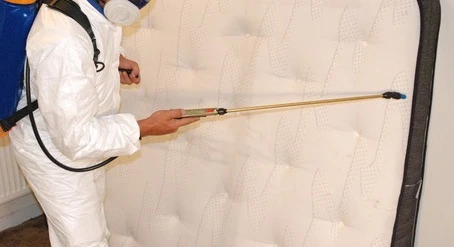
Alcohols and contact sprays can kill exposed adults and nymphs but often miss eggs and hidden insects. Alcohol is flammable; never apply near ignition sources or across large areas. Contact products lack residual activity, so surviving insects can rebound. Use only products labeled for indoor use and follow directions.
Freezing Small Items
Sustained exposure at or below −18°C (0°F) for several days can work for small objects. Ensure continuous cold; brief warm-ups allow survival.
Physical Removal and Encasing
A strong vacuum with a crevice tool removes visible insects from seams and cracks. Immediately seal and discard the bag or empty the canister outdoors. Follow with mattress and box-spring encasements to trap missed insects and simplify monitoring. Vacuuming alone does not destroy eggs, so pair it with heat or steam.
A Practical Fast-Track Plan
Layer methods: isolate beds from walls, apply steam to seams and joints, launder and heat-dry soft goods and install encasements. Add interceptor traps under bed legs to detect survivors. Finish with scheduled rechecks in 10–14 days and repeat local treatments if monitors show activity.
Methods That Waste Time
Total-release foggers rarely reach harborages and may disperse insects. Essential oils and home mixes deliver inconsistent results. Overusing pyrethroid sprays can drive resistance and add exposure risks. Stick to proven heat, precise applications and careful preparation.
Author Resource:-
David has over 10 years of experience in writing about different pest control and extermination services. Protect your home with our proven termite treatment in Nashville. Visit here for reliable services.


























Sign in to leave a comment.