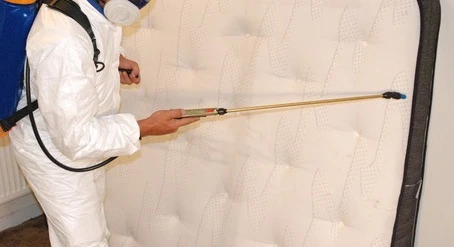

Integrated Pest Management (IPM) focuses on precise diagnosis, layered tactics and measurable results. The aim is to suppress current populations, prevent spread and reduce future risk with the least possible hazard. Decisions are guided by monitoring data, building construction, occupant needs and label-compliant use of treatments rather than guesswork or routine sprays.
Inspection and Confirmation
Start with a systematic inspection of sleeping areas, upholstered furniture, baseboards and wall voids near outlets. Look for live insects, cast skins, eggs and fecal spotting. Map room-by-room findings to rank hot spots. In multi-unit housing, check units above, below and adjacent. Consider canine detection for large or cluttered spaces where visual searches can miss low-level infestations. Emergency bed bug removal in Murfreesboro offers fast solutions when infestations strike unexpectedly. Skilled technicians arrive promptly, using effective treatments to eliminate pests and restore comfort. Perfect for urgent needs, this service prevents further spread, reduces stress and ensures a safe, pest-free home or business environment without delay.
Preparation and Containment
Preparation prevents dispersal and speeds control. Bag, seal and label laundry from each room; wash and heat-dry on high. Reduce clutter so seams and joints are accessible. Pull beds away from walls and remove bed skirts. Items that cannot be heated should be sealed for later treatment. Provide written instructions so residents know what to move and what not to move.
Mechanical and Heat Controls
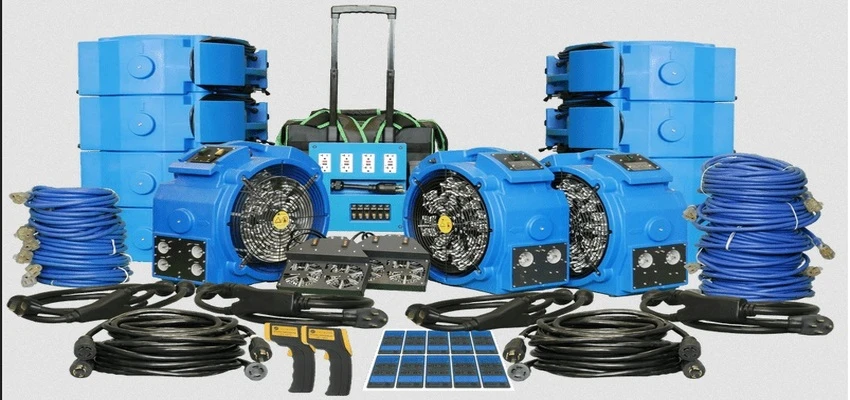
Begin with tools that work on contact. Vacuum seams, tufts and cracks using a crevice attachment; discard bags outdoors. Apply steam slowly across mattresses, box springs and furniture joints to achieve lethal temperatures. Where appropriate, use whole-room heat with sensors to confirm uniform coverage. Install encasements on mattresses and box springs to trap survivors and simplify follow-up checks.
Targeted Residual Applications
When chemical intervention is justified, select products labeled for indoor bed bug control and apply precisely. Focus on cracks, screw holes, frame joints and baseboards-not broad surfaces. Use desiccant dusts in voids and behind cover plates, then reinstall covers. Rotate modes of action as needed to manage resistance. Document all applications, locations and re-entry guidance.
Monitoring and Decision Points
Place interceptor traps under bed and sofa legs and note weekly counts. Use climb-up barriers and visual checks on encasements to verify progress. Data from monitors, not bite anecdotes alone, should trigger re-treatments. Keep a simple log that ties each intervention to measured outcomes so adjustments are evidence-based, not habitual.
Follow-Up and Escalation
Schedule re-inspections 10–14 days after service to address newly hatched nymphs. Re-treat only where activity persists and update the map to reflect shrinking hot spots. In severe surges or multi-unit spread, coordinate building-wide actions; for urgent situations requiring emergency bed bug removal in Murfreesboro, pair rapid knockdown methods with strict containment protocols to stop further transfer.
Long-Term Prevention
Maintain bed isolation, keep interceptors in place and leave encasements on for at least a year. Inspect secondhand furniture before entry and heat-treat travel items on return. Train occupants to recognize early signs and report promptly. A short refresher inspection every few months reduces the chance of rebound and preserves prior gains.
Author Resource:-
David has over 10 years of experience in writing about different pest control and extermination services. Ensure your home's safety with a thorough termite inspection in Nashville. Visit here for professional services.































Sign in to leave a comment.