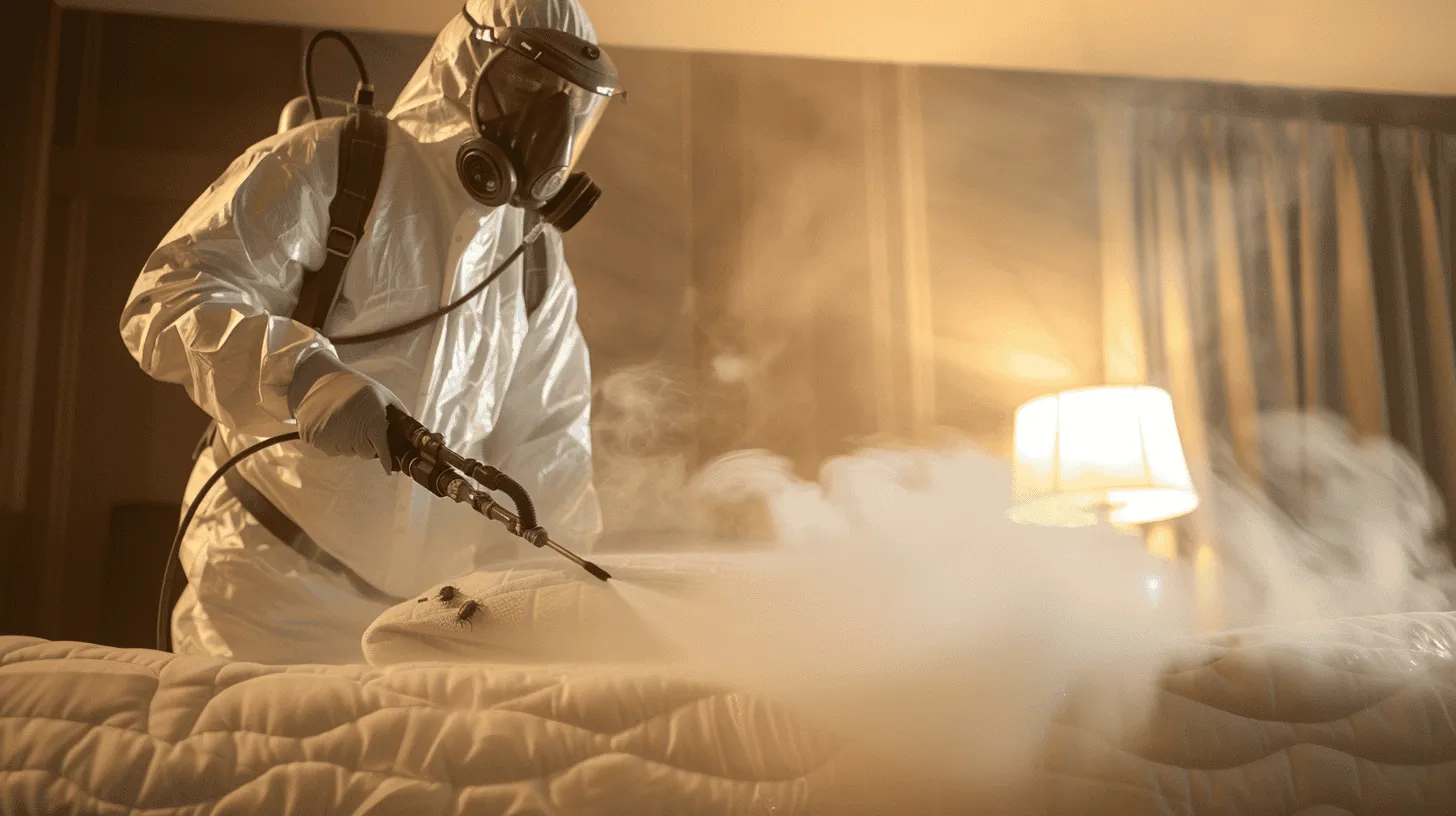

Bed Bugs Create Confusion and Stress
Discovering bed bugs in your home triggers immediate panic and countless questions. You want them gone, but conflicting information online leaves you uncertain about your options. Heat treatment sounds promising, yet you're unsure exactly what technicians will do to your home, belongings, and personal space. Understanding the actual process removes anxiety and helps you prepare effectively for treatment day.
Professional Heat Treatment Eliminates Bed Bugs Completely
Whole home heat treatment represents the most effective approach for complete bed bug elimination. Unlike chemical treatments requiring multiple applications, whole home heat treatment kills all life stages simultaneously—eggs, nymphs, and adults cannot survive the sustained high temperatures. The entire structure reaches lethal temperatures throughout, including wall voids, closets, and hidden spaces where bed bugs hide. This comprehensive approach ensures you won't experience recurring infestations weeks later.
Pre-Treatment Inspection and Assessment
Professionals begin by inspecting your entire home to determine infestation severity and scope. Technicians identify entry points, favorite hiding spots, and treatment zones requiring special attention. This assessment determines heating strategies and helps you understand what to expect during treatment. Temperature monitoring equipment gets installed throughout your home to maintain precise control.
Preparation Phase Requires Your Involvement
Before treatment begins, you'll need to remove sensitive electronics, medications, and items damaged by extreme heat. Clear clutter from all rooms since objects can interfere with even heat distribution. Move certain items requiring protection to designated storage areas. Your cooperation during this phase directly impacts treatment effectiveness.
Temperature Raising and Monitoring Process
Industrial heaters gradually warm your entire home to lethal temperatures—typically between 130-145 degrees Fahrenheit. Technicians monitor readings in multiple locations simultaneously, ensuring complete temperature penetration. The process continues for several hours, maintaining consistent heat throughout. Whole home heat treatment works systematically from start to finish with constant oversight.
Sustained Heat Exposure Kills All Stages
Bed bugs cannot adapt to sustained extreme temperatures regardless of their development stage. Eggs within walls perish along with hidden nymphs and adults. This thorough approach eliminates concerns about survivors developing resistance or escaping to untreated areas. Nothing survives the thermal process when executed properly.
Cooling Down and Final Inspection
After reaching target temperature duration, your home gradually cools to normal levels. Professionals conduct thorough post-treatment inspections, documenting complete eradication. They provide clear documentation confirming treatment success and answer your remaining questions comprehensively.
Post-Treatment Care and Prevention
You can return home safely once temperatures normalize. Understand warning signs of potential re-infestation and implement practical prevention strategies. Most homeowners enjoy complete peace of mind knowing whole home heat treatment eliminated their bed bug problem permanently.
Author Resource:-
David has over 10 years of experience writing about bed bug heat treatment and extermination services, with a focus on cost-effective heat treatment solutions for contractors and remediation partners. Reserve emergency help with an exterminator in Mt. Juliet right now.






























Sign in to leave a comment.