
When it comes to power transmission and motion control, selecting the right gearbox is critical for performance, efficiency, and longevity. Among the most popular types are helical, worm, and planetary gearboxes—each offering unique advantages for different industrial applications. Understanding their construction, operating principles, and benefits can help you choose the most suitable gearbox for your requirements.
As a trusted provider of high-quality gearboxes, Santram Engineers offers all three varieties, ensuring that customers find the perfect fit for their machinery and operations. Let’s explore these gearbox types in detail and identify the key factors to consider when selecting the right one.
Understanding the Basics of Each Gearbox
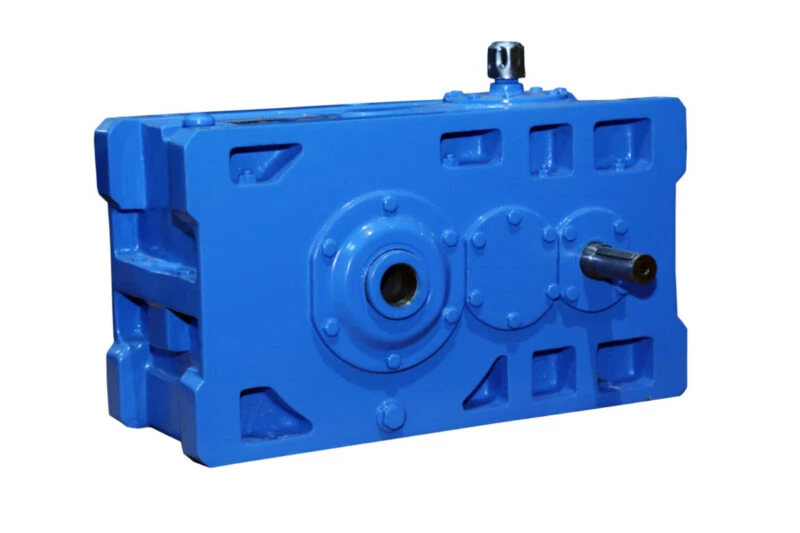
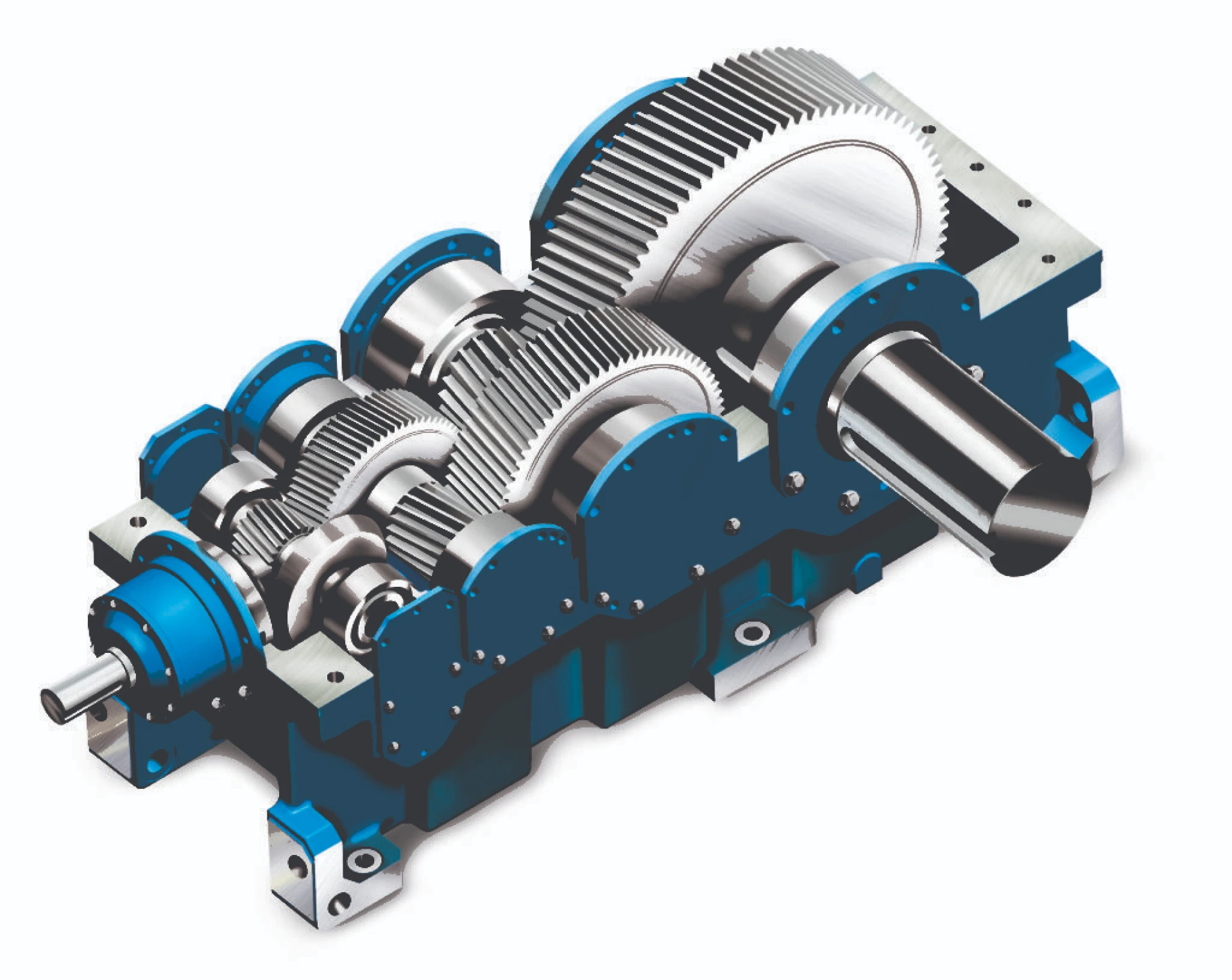
Helical Gearbox
A helical gearbox features angled teeth set diagonally to the shaft, which allows gradual engagement of the gears. This design provides smooth, quiet operation as the angled teeth reduce vibration and noise, making it ideal for noise-sensitive environments. Helical gearboxes also offer high load capacity because the load is distributed more evenly, which reduces wear and allows them to handle heavier torque. They are commonly used in conveyors, crushers, extruders, and other heavy-duty industrial machinery.
Worm Gearbox
Worm gearboxes consist of a worm (screw-like shaft) meshing with a worm wheel. This configuration allows for high reduction ratios in a single stage, making it ideal for applications that require slow speeds and high torque. Additionally, many worm gear systems feature a self-locking function, which prevents reverse motion and enhances safety without needing external brakes. They are widely used in lifts, hoists, gates, packaging machines, and systems that demand precise speed control.
Planetary Gearbox
Planetary gearboxes feature a central “sun” gear surrounded by multiple “planet” gears, all encased in a ring gear. This arrangement allows multiple points of contact, distributing the load evenly and enabling very high torque transmission in a compact design. Planetary gearboxes offer excellent efficiency and precision, making them ideal for robotics, automation systems, aerospace equipment, and electric vehicles.
Key Considerations When Choosing a Gearbox
Load and Torque Requirements
Heavy machinery and industrial equipment often need the robust strength of helical or planetary gearboxes. Worm gearboxes, while suitable for moderate loads, excel in applications requiring high torque at low speeds.
Space Constraints
If installation space is limited, planetary gearboxes are often the best option due to their compact design. Worm gearboxes are also relatively compact but may not deliver the same torque density as planetary types.
Efficiency Goals
Helical and planetary gearboxes typically offer higher efficiency than worm gearboxes. For operations where energy efficiency is a priority, these two types are preferred.
Speed Reduction Ratio
Worm gearboxes are known for achieving high reduction ratios in a single stage, which is particularly useful for slow-speed applications that require precise control.
Noise and Vibration Tolerance
Helical and planetary gearboxes provide smoother, quieter operation compared to worm gearboxes. If your machinery is noise-sensitive or requires precise movement, these options are advantageous.
Budget and Maintenance
Worm gearboxes are often more cost-effective upfront and require minimal maintenance, making them suitable for budget-conscious projects. Planetary gearboxes, although more expensive initially, offer long-term benefits through superior efficiency, high torque handling, and durability.
Practical Examples
- Manufacturing Plants: Helical gearboxes are ideal for conveyor systems, mixers, and other machinery that requires durability and smooth motion.
- Elevators and Hoists: Worm gearboxes are perfect for applications where back-driving (reverse motion) needs to be prevented.
- Robotics and Automation: Planetary gearboxes are preferred for high-precision, high-torque, and space-constrained setups.
Final Thoughts
Choosing the right gearbox depends on your specific application, operational environment, and budget. Helical gearboxes provide efficiency and quiet operation for heavy-duty tasks. Worm gearboxes excel in slow-speed, high-torque systems with safety needs. Planetary gearboxes deliver maximum torque in a compact design, ideal for precision-driven industries.
For expert guidance and high-quality products, Santram Engineers provides all three gearbox types, backed by reliable engineering support and industry expertise. Whether you need a high-torque planetary system, a quiet and efficient helical setup, or a cost-effective worm gearbox, Santram Engineers ensures the right solution for your machinery and operations.
In summary:
- Choose helical for durability and efficiency.
- Opt for worm when high reduction and self-locking are key.
- Select planetary for compact, high-torque, precision applications.
By aligning these characteristics with your operational needs, you’ll ensure optimal performance, longevity, and value for your investment.



























Sign in to leave a comment.