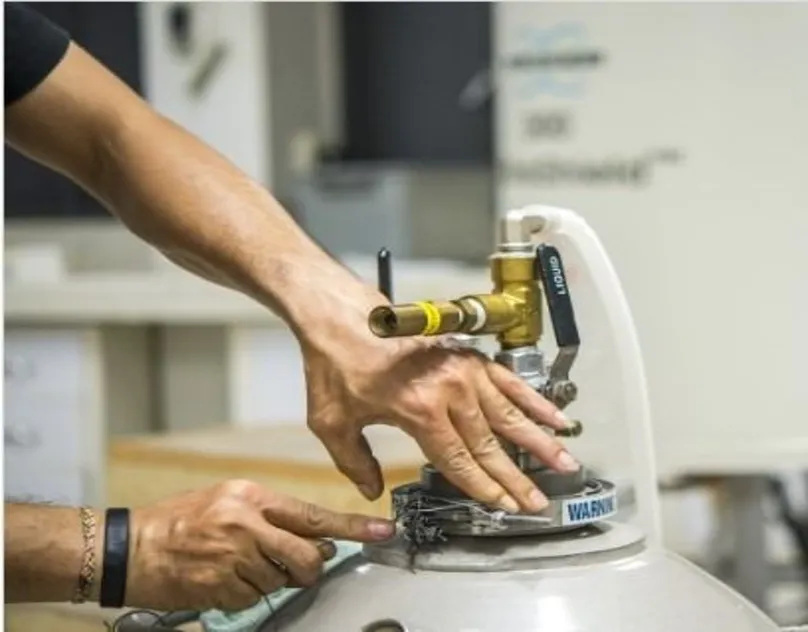

Helium is a valuable industrial gas used in sectors such as healthcare, manufacturing, research laboratories, electronics, and event management. Although helium is non-toxic and non-flammable, it is stored under high pressure, which makes safe handling and storage extremely important. Improper storage can lead to cylinder damage, gas leakage, workplace hazards, and unnecessary operational expenses.
Businesses that use helium regularly must ensure that storage practices meet safety standards and industry guidelines. Proper storage not only protects workers but also helps preserve gas quality and maintain cylinder performance over time. A well-organized storage system reduces risks while improving operational efficiency.
Selecting the Ideal Storage Environment
The location of stored helium cylinders plays a major role in safety and reliability. Cylinders should always be kept in a cool, dry, and well-ventilated area away from direct sunlight, heat sources, and corrosive substances. Excessive heat can increase internal pressure, potentially affecting the safety and integrity of the cylinder.
Storage areas should also be protected from physical damage caused by vehicle traffic, falling objects, or accidental impacts. Clear signage and restricted access help ensure that only trained personnel handle the cylinders, reducing the likelihood of accidents.
Safe Handling and Storage Practices
One of the most important aspects of helium tank storage is keeping cylinders upright and securely fastened with chains, straps, or approved supports. This prevents cylinders from tipping over and protects the valve from damage, which could create a hazardous situation.
Regular inspections are equally important. Employees should routinely check cylinders for signs of corrosion, dents, leaks, or damaged valves. Any cylinder showing signs of damage should be removed from service and inspected by qualified personnel. Following these simple safety measures helps maintain a safer workplace and reduces the risk of unexpected incidents.
Maintaining Cylinder Performance and Longevity
Proper storage practices have a direct impact on cylinder lifespan and gas quality. Cylinders stored under recommended conditions are less likely to experience contamination, pressure fluctuations, or physical deterioration. This ensures that the helium remains suitable for critical industrial and commercial applications.
Organizations should also separate full and empty cylinders and maintain accurate inventory records. Effective helium tank storage management allows employees to locate cylinders quickly, minimize handling errors, and improve workflow efficiency. Routine maintenance and organized storage systems contribute to long-term operational reliability and cost savings.
Choosing a Reliable Helium Supplier
Safe storage is only one part of an effective gas management strategy. Partnering with a trusted supplier ensures access to high-quality helium and professional guidance on handling and storage practices. Airlife Gases supports businesses with dependable gas solutions that help improve safety, maintain cylinder performance, and ensure uninterrupted operations across a wide range of industrial applications.














![The Benefits of Using a CNC Touch Probe [Infographic]](https://writeupcafe.com/data/post/1677697/bfdf3e040e67936848aa232d2dfe3d03.jpg.webp)









Sign in to leave a comment.