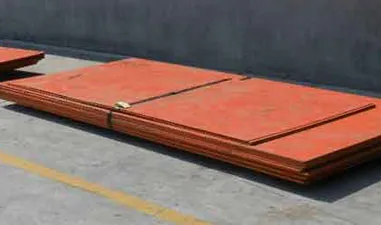

Modern architecture increasingly demands materials that hold up outdoors for decades while still making a visual statement, and few products deliver both as convincingly as weathering steel. Corten steel sheets for architectural cladding have become a standard choice for exterior facades, feature walls, and full building envelopes precisely because they solve durability and aesthetics at the same time. This piece covers their properties, benefits, applications, and the factors worth checking before specifying them on a project.
What Are Corten Steel Sheets?
Corten steel sheets are a weathering steel alloy formulated with copper, chromium, and nickel additions that change how the material reacts to outdoor exposure. Instead of corroding the way ordinary carbon steel does, Corten forms a stable, rust-like patina on its surface over time, and that patina actually protects the layers beneath it from further deterioration. The result is a material that combines structural strength and long-term durability with an architectural appearance no painted or coated steel can replicate.
Why Corten Steel Sheets Are Preferred for Architectural Cladding
Facade materials have to do two jobs at once hold up structurally for years and look intentional the entire time. Corten steel sheets manage both by developing a natural weathered finish that resists atmospheric corrosion rather than fighting a losing battle against it like a coated surface eventually does. That makes the material well suited to long-term outdoor architectural use, from urban facades to landscape structures exposed to sun, rain, and temperature swings across every season.
Benefits of Corten Steel Sheets for Architectural Cladding
The advantages of Corten steel extend well beyond its distinctive rust-colored surface, covering performance factors that matter just as much to architects and building owners.
Unique Aesthetic Appeal
Over time it acquires a rich, changing weathered patina that gives a powerful, rustic character to contemporary, industrial and landscape-driven architectural designs.
Excellent Atmospheric Corrosion Resistance
Its self-protecting oxide layer shields the steel surface against harsh weather, dramatically delaying external corrosion over exposed architectural facades and outside cladding.
Long Service Life
You’ll enjoy amazing durability in all kinds of weather, which means years of trouble-free use, no frequent material replacement and no costly surface refinishing.
Low Maintenance
Uncoated stability is a very practical, inexpensive alternative for big external cladding projects since it does not require repainting or sealing.
High Structural Strength
The material's strength and durability allow engineers to design complex decorative screens, bespoke cladding panels and striking structural elements while still ensuring load bearing safety margins.
Supports Contemporary and Sustainable Design
Its fully recyclable nature and multi-decade lifespan can be seamlessly integrated into eco-conscious modern architecture, radically reducing environmental impact and long-term lifecycle maintenance.
Factors to Consider When Selecting Corten Steel Sheets for Cladding
- Check sheet thickness and panel size requirements.
- Consider the project environment and exposure conditions.
- Understand drainage and detailing needs to manage rust runoff.
- Verify structural support and installation requirements.
- Ensure material quality and grade suitability for architectural use.
- Source sheets from a trusted manufacturer or supplier.
Conclusion
Architectural Corten steel sheets are excellent for any construction project that requires durability, weather resistance, and a striking visual appearance. That is why architects still demand these sheets for the construction of contemporary facades and outdoor constructions. If you source good quality. Reliable suppliers such as Ratna Exports help architects, fabricators, and contractors source Corten steel sheets that meet the quality and consistency required for long-term cladding applications.























Sign in to leave a comment.