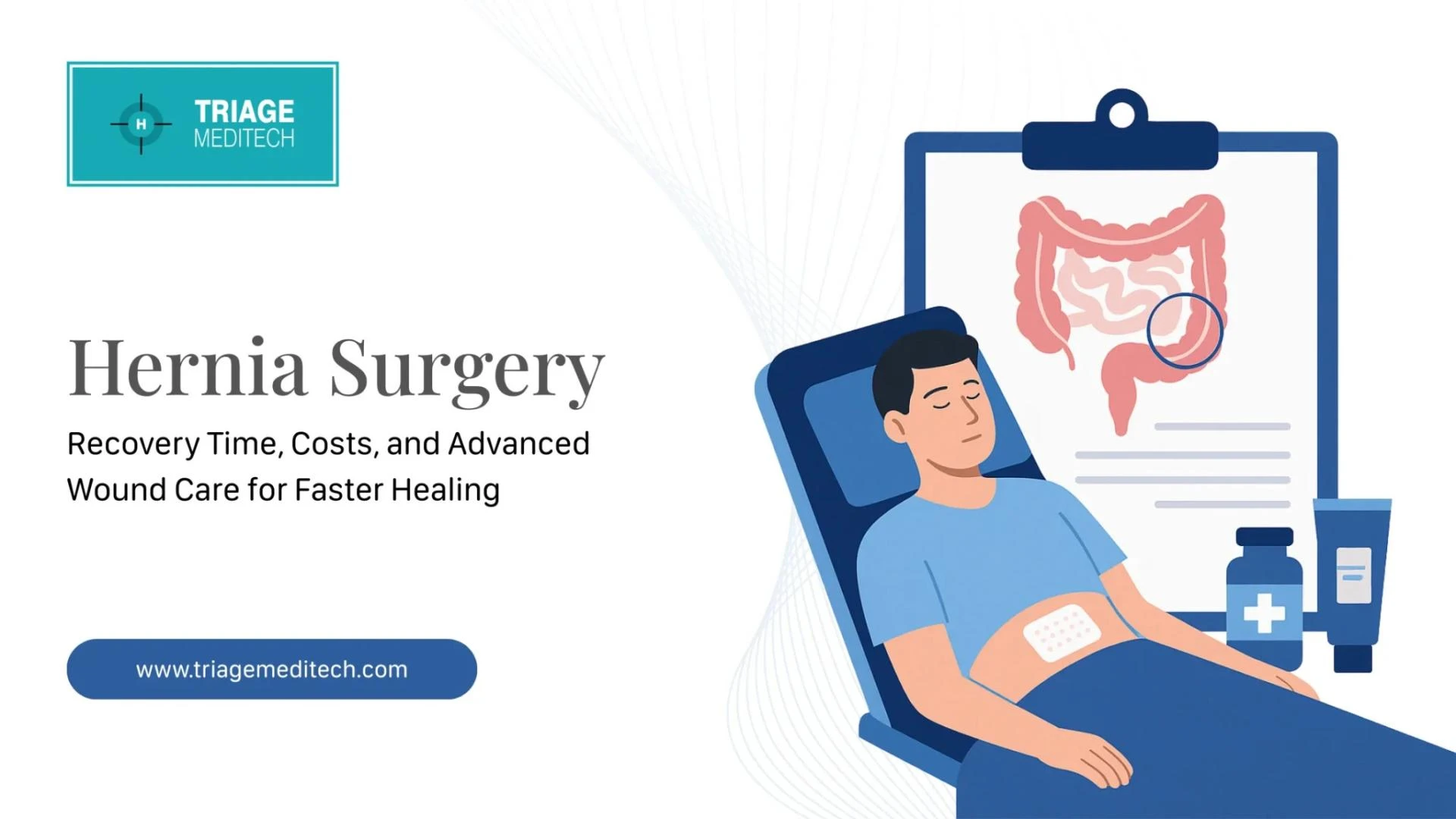

If you’re preparing for surgery, one of the most common questions on your mind is likely about hernia surgery recovery time. Understanding how long it takes to heal, what activities you can resume, and how to avoid complications can make a big difference in your overall recovery experience.
A hernia occurs when an internal organ or tissue pushes through a weak spot in the surrounding muscle or connective tissue. It can develop in various parts of the body, most commonly the abdomen or groin. Surgical repair is the most effective treatment to correct the issue and prevent complications such as pain, obstruction, or strangulation.
In this guide, we’ll break down everything you need to know about hernia surgery recovery time and what you can expect during the healing process.
What Is the Typical Hernia Surgery Recovery Time?
The recovery time after hernia surgery varies depending on several factors, including:
- The type of hernia
- The surgical technique used
- Your overall health
- Whether complications occur
General Recovery Timeline
- 1–2 weeks: Most patients can return to light daily activities.
- 2–4 weeks: Many people resume work, especially if it’s a desk job.
- 4–6 weeks: Heavy lifting and strenuous exercise are usually allowed after medical clearance.
- 6–8 weeks: Full recovery for more complex or open surgeries.
Minimally invasive procedures, such as laparoscopic hernia repair, typically offer a shorter recovery period compared to traditional open surgery.
Types of Hernia Surgery and Their Impact on Recovery
The method used for hernia repair plays a significant role in determining recovery time.
1. Open Hernia Repair
In open surgery, a single larger incision is made near the hernia site. The protruding tissue is pushed back into place, and the weakened area is reinforced, often with surgical mesh.
Recovery time:
- 4–6 weeks for most patients
- Slightly longer if complications arise
Open surgery may involve more postoperative discomfort compared to minimally invasive techniques.
2. Laparoscopic Hernia Repair
Laparoscopic surgery uses small incisions and a camera-guided instrument to repair the hernia. The surgeon operates using specialized tools, which generally results in less tissue trauma.
Recovery time:
- 1–3 weeks for light activities
- Faster return to work and normal routines
Patients often experience less pain and smaller scars with this technique.
Factors That Affect Hernia Surgery Recovery Time
Several individual factors influence how quickly you heal.
Age and Overall Health
Younger, healthy individuals often recover faster than older adults or those with chronic conditions such as diabetes, obesity, or heart disease.
Size and Location of the Hernia
Larger hernias or those present for a long time may require more extensive repair, potentially extending recovery time.
Lifestyle Habits
Smoking, poor nutrition, and lack of physical activity can delay wound healing and increase the risk of complications.
Postoperative Care
Following your surgeon’s instructions regarding activity restrictions, wound care, medications, and follow-up visits significantly impacts recovery.
Week-by-Week Recovery Breakdown
Understanding what happens during recovery can help set realistic expectations.
Week 1: Initial Healing Phase
- Mild to moderate pain or discomfort
- Swelling and bruising around the incision site
- Limited mobility
Pain medications and adequate rest are important during this phase. Gentle walking is usually encouraged to improve circulation and reduce the risk of blood clots.
Weeks 2–3: Gradual Improvement
- Reduced pain and swelling
- Increased mobility
- Possible return to light work duties
You should still avoid heavy lifting and strenuous exercise during this stage to prevent strain on the healing tissues.
Weeks 4–6: Strength Recovery
- Return to moderate physical activity (with doctor’s approval)
- Improved strength and endurance
- Continued internal tissue healing
Even if you feel better externally, internal healing may still be ongoing. Avoid pushing your limits too quickly.
When Can You Return to Work After Hernia Surgery?
Return-to-work timing depends largely on your job type.
- Desk jobs: 1–2 weeks
- Moderate physical jobs: 3–4 weeks
- Heavy labor jobs: 6 weeks or longer
Always consult your surgeon before resuming physically demanding activities. Returning too early can increase the risk of hernia recurrence.
Tips to Speed Up Hernia Surgery Recovery Time
While healing naturally takes time, certain steps can support a smoother and safer recovery:
1. Follow Activity Restrictions
Avoid lifting heavy objects (usually anything over 5–10 kg) until your doctor gives approval.
2. Eat a High-Fiber Diet
Constipation can strain the surgical site. Include fruits, vegetables, legumes, and whole grains to prevent unnecessary abdominal pressure.
3. Stay Hydrated
Proper hydration supports tissue repair and reduces constipation risk.
4. Avoid Smoking
Smoking restricts blood flow, delays healing, and increases the risk of complications.
5. Monitor for Warning Signs
Contact your doctor immediately if you experience:
- Increasing pain
- Fever
- Redness, swelling, or discharge at the incision site
- Persistent nausea or vomiting
Early medical attention helps prevent serious complications.
Possible Complications That May Extend Recovery Time
Hernia surgery is generally safe, but complications can occasionally occur, including:
- Infection
- Recurrence of the hernia
- Chronic postoperative pain
- Fluid buildup (seroma)
Most complications are manageable when detected early. Regular follow-up visits help ensure proper healing.
Is Hernia Surgery Recovery Painful?
Some discomfort is normal, especially during the first week. However, pain is typically manageable with prescribed medications and gradually decreases over time. Minimally invasive procedures usually result in less postoperative pain compared to open surgery.
Conclusion: Planning for a Smooth Hernia Surgery Recovery
Understanding hernia surgery recovery time helps you prepare physically and mentally for the healing journey. While many patients return to normal daily activities within a few weeks, full recovery may take up to 6–8 weeks depending on the type of surgery and individual health factors.
Following your surgeon’s guidance, maintaining a healthy lifestyle, and allowing your body adequate time to heal are essential for long-term success. If you are planning for hernia surgery, discussing your personalized recovery timeline with your healthcare provider will ensure the best possible outcome.


























Sign in to leave a comment.