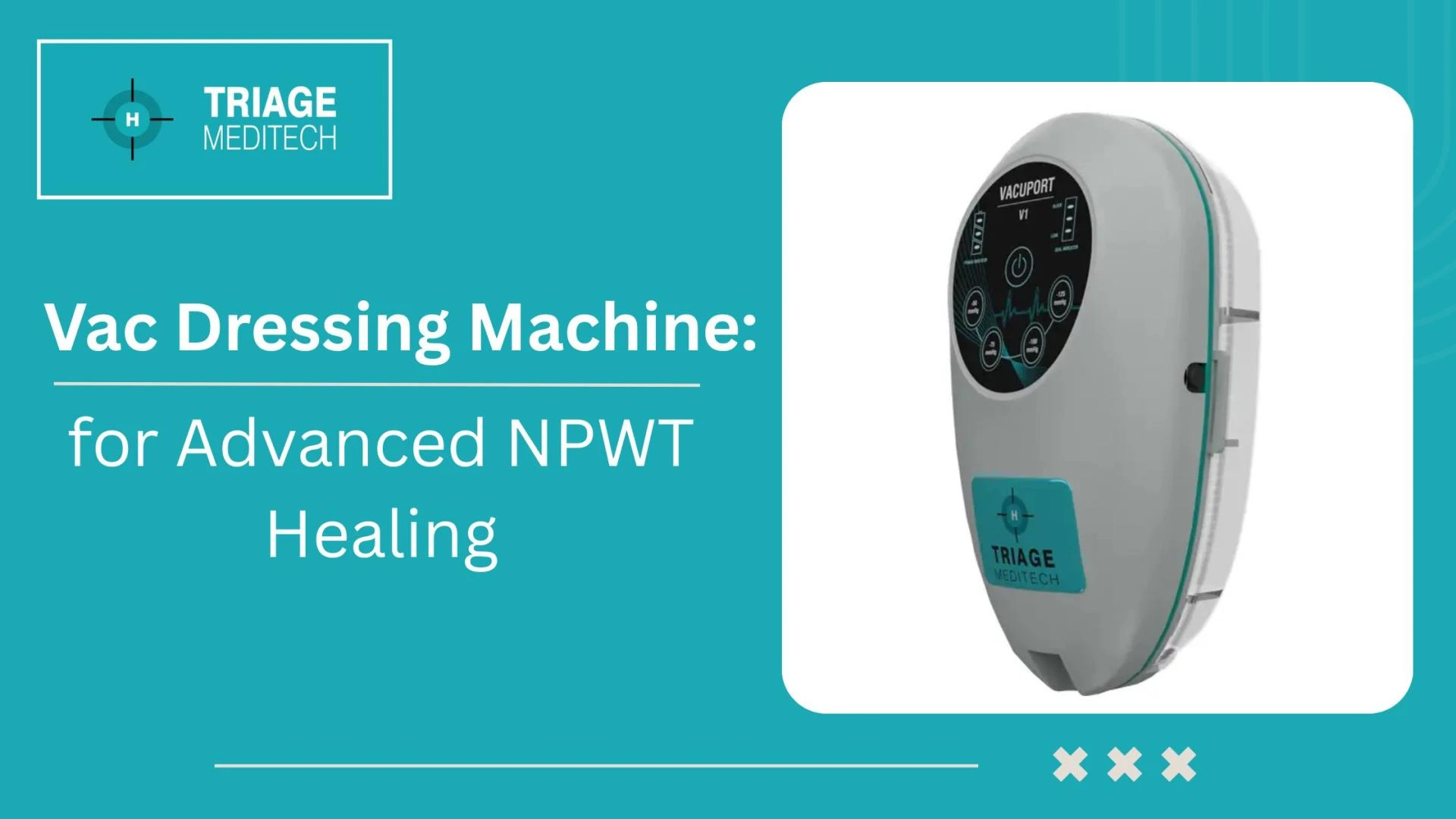
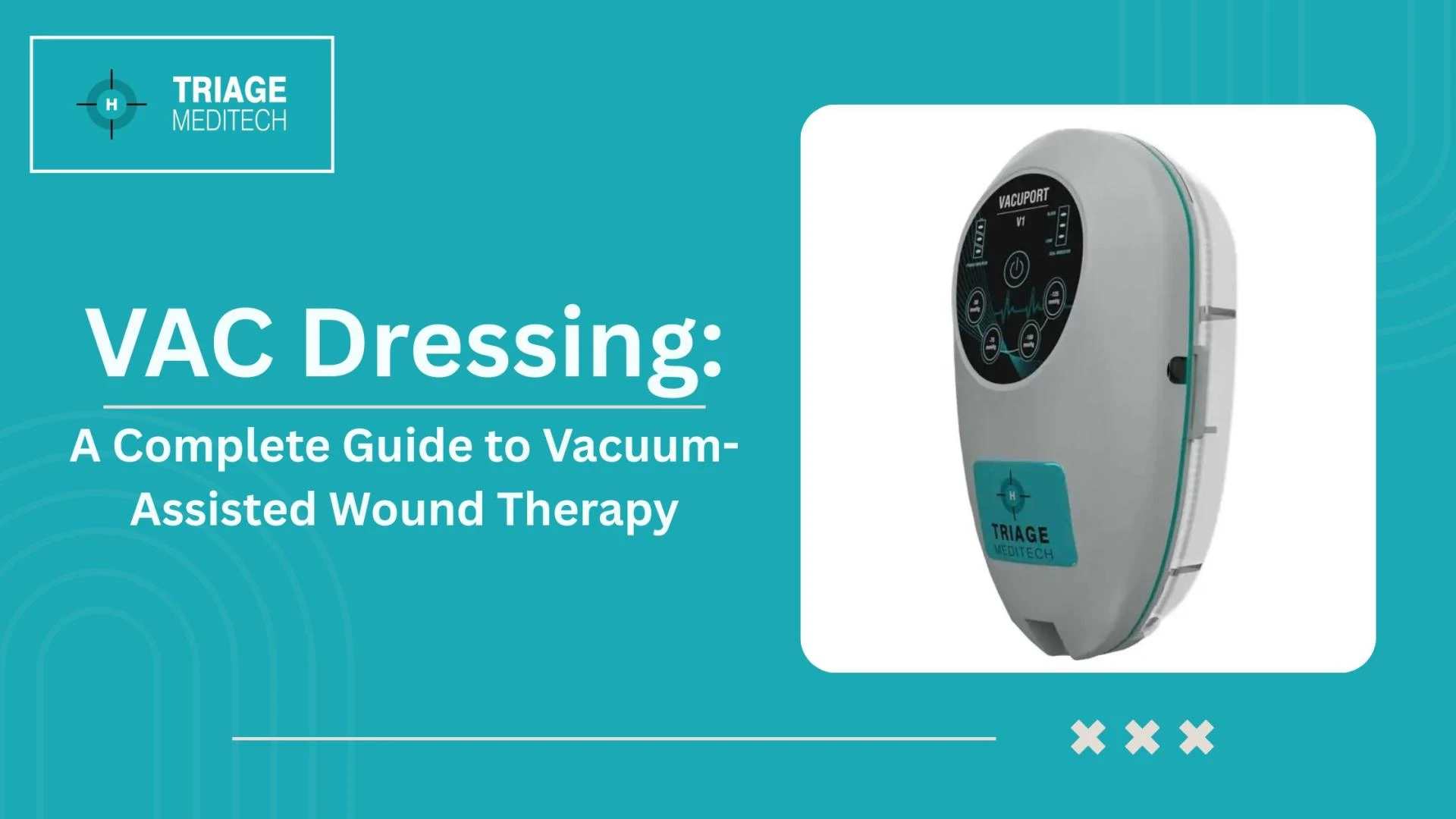
Chronic and complex wounds require advanced treatment methods to promote faster and safer healing. One of the most effective modern wound care technologies is the Vac Dressing Machine, also known as a Vacuum-Assisted Closure (VAC) device or Negative Pressure Wound Therapy (NPWT) machine.
A Vac Dressing Machine helps remove excess fluid, reduce infection risk, and stimulate tissue growth by applying controlled negative pressure to the wound area. It has become an essential tool in hospitals, surgical centers, and home healthcare settings.
In this article, we will explain what a Vac Dressing Machine is, how it works, its components, benefits, indications, and why it is widely used in advanced wound management.
What Is a Vac Dressing Machine?
A Vac Dressing Machine is a medical device used to promote wound healing through negative pressure wound therapy (NPWT). It works by applying controlled suction to a wound through a sealed dressing.
The machine creates a vacuum environment that:
- Removes excess fluid (exudate)
- Reduces swelling
- Improves blood circulation
- Encourages tissue regeneration
- Lowers the risk of infection
This therapy is especially useful for difficult-to-heal wounds.
How Does a Vac Dressing Machine Work?
The Vac Dressing Machine operates using a simple but effective mechanism.
Step-by-Step Process
- A sterile foam or gauze dressing is placed inside the wound.
- The wound is sealed with an adhesive transparent film.
- A tube connects the dressing to the vacuum pump.
- The machine applies controlled negative pressure.
- Fluid is collected in a canister.
The continuous or intermittent suction helps draw wound edges together and promotes the formation of healthy granulation tissue.
Components of a Vac Dressing Machine
A standard Vac Dressing Machine includes:
1. Vacuum Pump
The main unit that generates negative pressure.
2. Dressing Kit
Includes foam or gauze dressing and adhesive film.
3. Tubing System
Connects the wound dressing to the machine.
4. Collection Canister
Collects wound exudate safely.
5. Pressure Control Panel
Allows healthcare providers to adjust suction levels.
Types of Wounds Treated with Vac Dressing Machine
Vac therapy is suitable for various acute and chronic wounds.
Common Indications
- Diabetic foot ulcers
- Pressure ulcers (bedsores)
- Surgical wounds
- Traumatic injuries
- Burn wounds
- Skin grafts and flaps
- Venous leg ulcers
It is particularly helpful when wounds are deep, infected, or slow to heal.
Benefits of Using a Vac Dressing Machine
The Vac Dressing Machine offers several clinical advantages.
1. Faster Wound Healing
Negative pressure stimulates new tissue growth and improves blood flow.
2. Reduced Infection Risk
By removing excess fluid and bacteria, it creates a cleaner wound environment.
3. Decreased Swelling
Suction helps reduce edema around the wound.
4. Improved Patient Comfort
Dressings may need fewer changes compared to traditional methods.
5. Better Surgical Outcomes
Supports grafts and surgical incisions effectively.
Advantages Over Traditional Wound Dressing
Compared to conventional wound care methods, a Vac Dressing Machine:
- Promotes quicker granulation
- Requires fewer dressing changes
- Maintains a moist healing environment
- Reduces hospital stay duration
- Lowers overall treatment cost in long-term care
This makes it a preferred choice in modern healthcare facilities.
Who Should Not Use a Vac Dressing Machine?
Although highly effective, NPWT is not suitable for every patient.
Contraindications Include:
- Untreated osteomyelitis
- Malignant wounds
- Exposed blood vessels or organs
- Active bleeding
- Necrotic tissue without debridement
A medical professional should always evaluate wound condition before starting therapy.
Is Vac Dressing Therapy Painful?
Most patients tolerate the therapy well. Some may experience mild discomfort during dressing changes. Pain management strategies can be used if necessary.
The machine operates quietly and can be portable, allowing patients to move comfortably during treatment.
Home Use of Vac Dressing Machine
Modern Vac Dressing Machines are compact and portable, making home-based wound care possible.
Benefits of home use include:
- Reduced hospital visits
- Greater patient convenience
- Lower healthcare costs
- Continuous therapy support
However, proper training and medical supervision are essential.
Maintenance and Safety Considerations
To ensure safety and effectiveness:
- Dressings should be changed as recommended (usually every 48–72 hours).
- The canister must be emptied or replaced when full.
- The machine should be checked regularly for pressure settings.
- Monitor for signs of infection or bleeding.
Always follow medical guidelines strictly.
Why Vac Dressing Machines Are Important in Modern Healthcare
Chronic wounds are a growing healthcare challenge, especially among diabetic and elderly patients. The Vac Dressing Machine provides a scientifically proven solution that enhances healing while reducing complications.
Hospitals and wound care centers rely on NPWT technology to improve patient recovery and surgical success rates.
Conclusion
The Vac Dressing Machine is a revolutionary medical device used in negative pressure wound therapy to promote faster, safer, and more efficient healing. By applying controlled suction to wounds, it removes excess fluid, reduces infection risk, and stimulates tissue regeneration.
From diabetic ulcers to post-surgical wounds, this advanced wound care technology plays a vital role in modern medical treatment. When used under professional supervision, it significantly improves patient outcomes and quality of life.
As wound care continues to evolve, the Vac Dressing Machine remains one of the most trusted and effective solutions in advanced healthcare.






















Sign in to leave a comment.