

Getting a good deal on a car rental Qatar feels like winning the lottery, especially when you can find good deals on monthly or daily rates online. Yet, many travelers and new residents get the shock of their lives when the final rental car invoice is much more than they budgeted. This is why a keen eye for the fine print is needed when dealing with the local transport system.
Identifying hidden costs - such as the delayed release of security deposits and unexpected insurance exclusions - ensures that your trip across the peninsula remains safe and budget-friendly.
1. Security Deposits and the Cost of Delayed Releases
Almost all rental car Qatar agreements require a security deposit, typically handled via a credit card pre-authorization or a cash hold. While these funds are technically returned, the hidden cost lies in the time and logistical friction required to process the release.
- Prolonged Hold Periods: Many local firms state that security deposits are released 21 to 30 days after the rental car is returned. This buffer allows agencies to collect traffic violations or speed camera fines processed by the government after the rental period has ended.
- Bank Processing Fees and Exchange Costs: If a security deposit is reserved using an international credit card, foreign transaction fees and currency conversion rate fluctuations can result in a net monetary loss for you upon the release of the funds.
2. Insurance Excess and Exclusions
While all vehicles in Qatar must legally carry comprehensive insurance, standard policies still leave you exposed to potential out-of-pocket expenses. Having a solid grasp of insurance contracts can limit these unpleasant financial surprises.
- Insurance Excess (Deductible) Charges: If you are found at fault in an accident—or if your vehicle sustains damage from a hit-and-run while parked—you are responsible for paying the insurance excess. The deductible amount varies depending on the vehicle category.
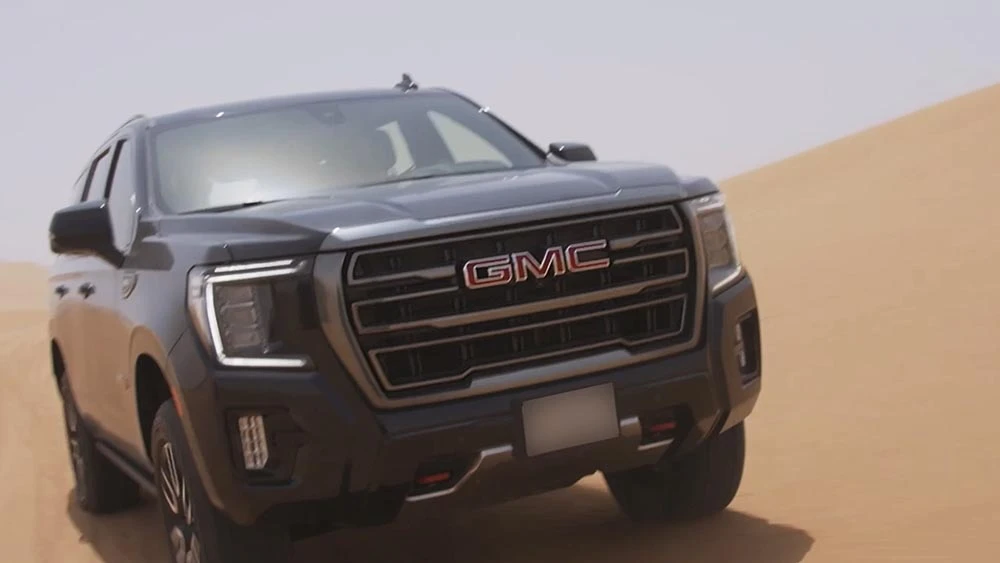
- Unpaved Surfaces and Insurance Voiding: Most rental contracts strictly state that driving on unpaved surfaces, beaches, or into the desert will completely void your insurance policy. If you take the vehicle off established roads, you are fully responsible for all vehicle recovery and repair costs.
- Glass and Tire Exclusions: Most basic rental agreements will put the cost of replacing tires and rims that are damaged along with windshields on the renter as an out of pocket expense unless they purchase supplementary coverage packages.
3. Mileage Limits and Odometer Deductions
Most medium and short-term agreements will cover the cost of the vehicle, but will set limitations on the number of kilometers the vehicle can be driven as a way to limit the depreciation of the asset.
- Hidden Over-Mileage Penalties: If you have a long-term work assignment that will require you to drive long distances, be sure to check the rental agreement for the cost of overage fees for excess mileage as they can be expensive and have limits as low as 100 km a day.
- Odometer Audit Draft Fines: Some agencies require mileage check-ins or mandatory servicing intervals. Fines for missing scheduled oil changes or minor maintenance checks can be steep and are typically buried deep within the contract terms and conditions.
Transparent Costs vs. Hidden Traps Comparative Matrix
To help you protect your budget before you sign, review the common traps and how to avoid them below:
| Cost Category | The Hidden Trap | Smart Consumer Strategy |
| Traffic Fines & Admin Fees | Automated radar fines (Tarhiz) billed weeks later with high agency processing markups. | Ask upfront about administrative handling fees for traffic violations and monitor your Metrash2 app. |
| Fuel and Refueling Policy | Returning a vehicle with less fuel than received triggers exorbitant refuelling service charges. | Always refill the tank at a local Woqod station just prior to drop-off and retain the receipt. |
| Late Return Penalties | Exceeding your return window by even a couple of hours can trigger a full extra day's rental charge. | Confirm the grace period with your provider (usually 60 minutes) and communicate delays early. |
Conclusion: Stay Within Your Budget When You Rent a Car
Traveling always has hidden costs with the biggest culprit being a lack of communication. Reviewing insurance excess clauses, confirming details of any mileage restrictions, and being clear about how security holds are processed, takes care of the risk of surprise charges at the end of your contract.
Ultimately, just an additional ten minutes to read the fine print, gives you a stress free experience of rent car in Qatar while traveling in the country, leaving you with tremendous memories of this trip.




























Sign in to leave a comment.