
The Fascinating World of Holographic Stickers: A Blend of Art and Technology
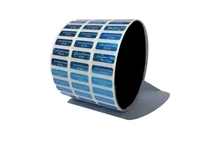
In today's dynamic and visually-oriented world, holographic sticker have emerged as a captivating trend, combining artistry and technology to create mesmerizing visual effects. These small yet powerful creations have found their way into various industries, captivating consumers and enthusiasts alike. This article explores the captivating world of holographic stickers, shedding light on their history, creation process, and their wide-ranging applications.
1. The Origin of Holographic Stickers
Holography, the technique behind holographic stickers, was first developed in the early 1940s by physicist Dennis Gabor. It was initially used for practical applications such as electron microscopy, but it wasn't until the 1970s that the technology found its way into the realm of stickers. The vibrant and eye-catching visuals produced by holographic stickers made them an instant hit among businesses and consumers, leading to their widespread adoption.
2. How Holographic Stickers are Made
The creation of holographic stickers is a complex process that involves optics, lasers, and precise techniques. The first step is to create a master hologram, which is essentially a recording of the desired design. This is achieved by splitting a laser beam into two—one directed towards the object to be holographed, and the other towards a recording medium. The interference pattern created by the two beams is captured on the recording medium, forming the master hologram.
From the master hologram, multiple copies can be made using a process called embossing. During embossing, a metal plate is created from the master hologram, and this plate is then used to stamp the holographic design onto a thin, metallicized film. The film is adhesive-backed to create the final holographic sticker.
Read More Info :- Security Tag.
3. Captivating Visual Effects
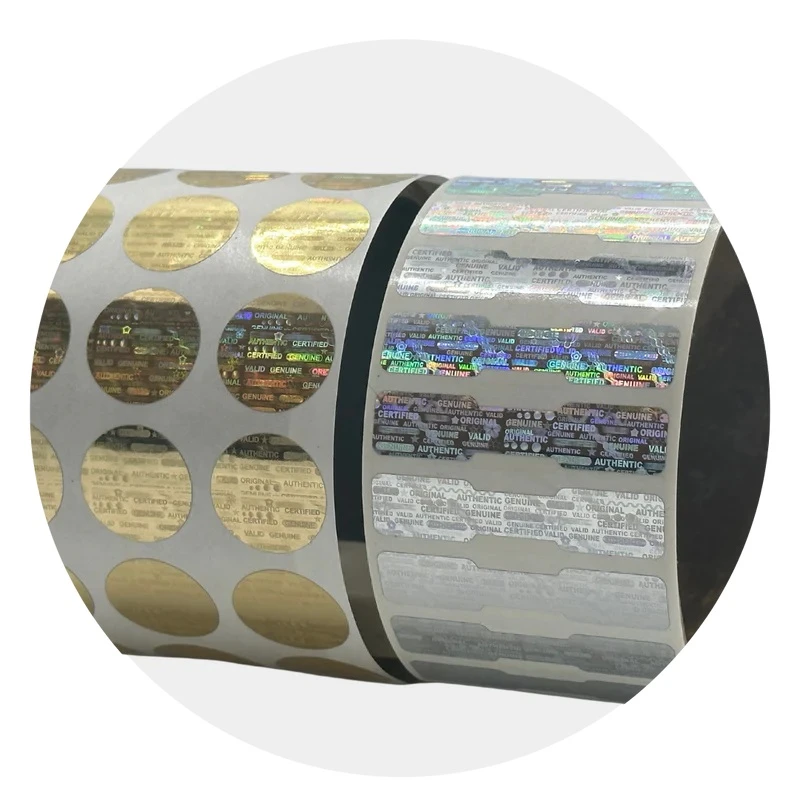
Holographic stickers are known for their captivating visual effects, often displaying a rainbow-like spectrum as light hits them from different angles. This effect, known as iridescence, occurs due to the interference of light waves reflected off the microstructures on the sticker's surface. The result is a shimmering and dynamic display that changes with every movement, capturing attention and fascination.
4. Diverse Applications
The applications of holographic stickers are diverse and continually expanding. They are widely used in product packaging, providing an attractive way to draw attention to specific items on the shelves. Many brands use holographic stickers to add a touch of elegance and uniqueness to their products, making them stand out in a crowded marketplace.
Moreover, holographic stickers have become popular in the world of art and design. Artists and designers use them in creative projects, adding flair to illustrations, customizing electronic gadgets, and enhancing interior decor. Additionally, holographic stickers have made their way into the world of security, where they are used as anti-counterfeiting measures on credit cards, identification cards, and valuable products.
Visit Here For More Information About This :- Foil Stickers.
5. Eco-Friendly Advancements
As environmental concerns grow, there is a growing emphasis on sustainable practices in all industries, including sticker production. Manufacturers are exploring eco-friendly materials and manufacturing processes to reduce the environmental impact of holographic stickers. Biodegradable materials and eco-friendly adhesives are being considered to ensure that these eye-catching creations are also kind to the planet.
In conclusion, holographic stickers have transcended their humble origins in scientific laboratories to become a fascinating fusion of art and technology. With their captivating visual effects and ever-expanding applications, they continue to capture the imagination of people worldwide. As technology advances and environmental considerations become more prominent, we can look forward to even more innovative and sustainable holographic sticker solutions in the future.



















Sign in to leave a comment.