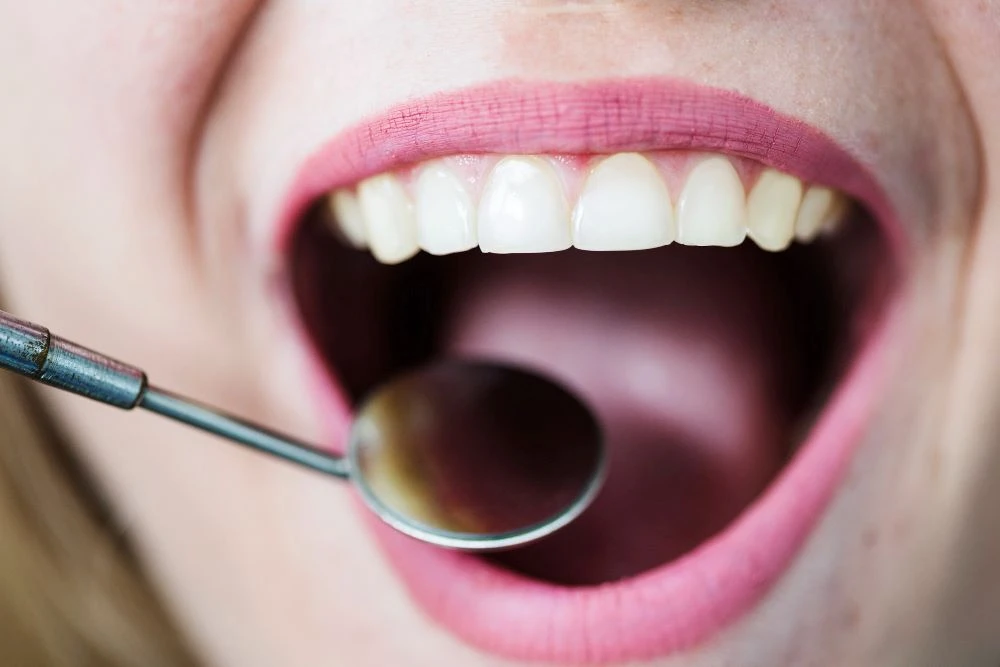

Home Oral Cancer Self-Examination Techniques
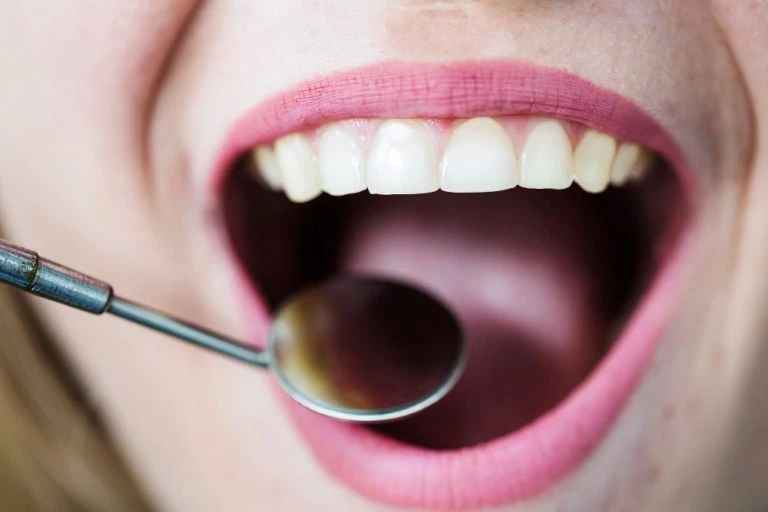
In this post, we will walk you through step-by-step procedures to help you perform effective oral cancer self-exams in the comfort of your own home. By becoming proficient in these techniques, you will empower yourself with the knowledge to detect any potential signs of oral cancer early on, leading to better treatment outcomes and improved overall health.
Understanding the Importance
Before delving into the specifics of self-examination techniques, let us first emphasise the importance of regular oral cancer screenings. Oral cancer is a serious condition that, if left undetected and untreated, can have devastating consequences. However, when caught early, the chances of successful treatment are significantly higher. By performing regular self exams at home, you take an active role in your own health and well-being.
Preparing for the Examination
Before beginning your self-examination, it is important to ensure you have the right tools and environment. Find a well-lit area with a mirror where you can comfortably examine your mouth and throat. Have a clean tissue or gauze on hand to help manipulate your tongue and check hard-to-reach areas.
Step by Step Self-Examination
Now, let us walk see the step-by-step process of conducting a thorough oral cancer self-examination:
- Start by thoroughly washing your hands to minimise the risk of introducing bacteria into your mouth.
- Stand in front of a mirror and open your mouth wide, using both hands to hold your cheeks and lips apart.
- Examine the inside of your cheeks, looking for any unusual red or white patches, sores, or lesions.
- Move your tongue to the roof of your mouth and examine the underside for any abnormalities.
- Check the floor of your mouth and the area under your tongue for any lumps, bumps, or discolorations.
- Use your index finger and thumb to gently palpate the sides and base of your neck, feeling for any enlarged lymph nodes.
- Finally, thoroughly inspect your lips, both the outer and inner surfaces, for any changes in color, texture, or size.
What to Look For
During your self-examination, be on the lookout for the following signs and symptoms that may indicate oral cancer:
- Persistent sores or ulcers that do not heal within two weeks
- Red or white patches anywhere in the mouth
- Unexplained bleeding or numbness
- A lump or thickening of the skin or tissue
- Difficulty swallowing or persistent sore throat
- Chronic hoarseness or changes in voice
Seeking Professional Evaluation
If you notice any suspicious changes during your self-examination, it is crucial to follow up with a dentist or medical professional for further evaluation. Remember, early detection is key to successful treatment.
Congratulations on completing our guide to home oral cancer self-examination techniques. By incorporating these practices into your regular health routine, you are taking proactive steps to safeguard your well-being. Remember, knowledge is power, and by staying informed and vigilant, you can play an active role in maintaining your oral health.
































Sign in to leave a comment.