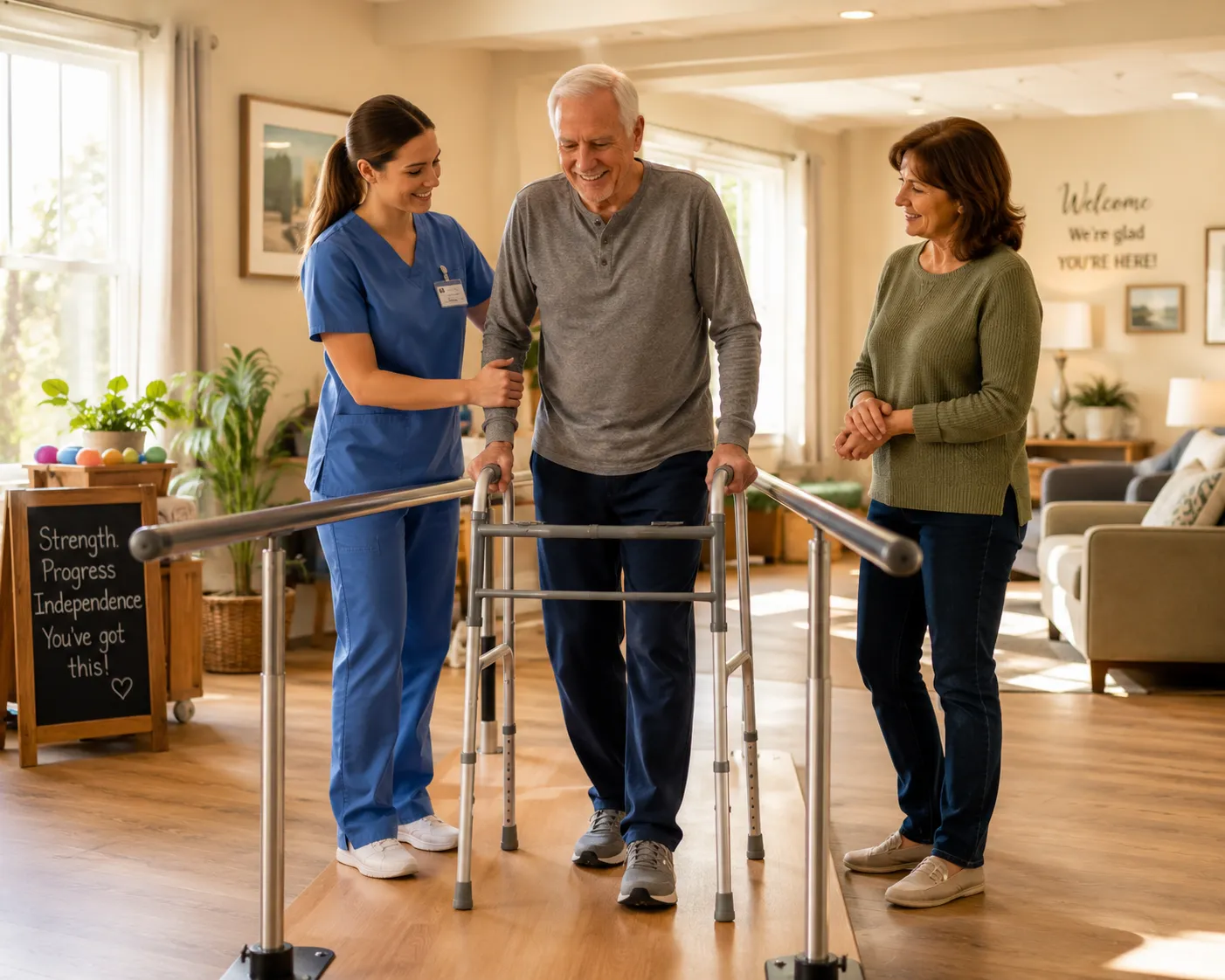

Choosing between home skilled nursing facilities and other senior care options is one of the harder calls a family makes. Maybe your father just left the hospital after a fall and needs rehab before he can go home. Maybe your mother's memory has slipped to the point where staying in her house alone isn't safe anymore. Either way, the terminology gets confusing fast, and the wrong choice can mean paying out of pocket for care that Medicare would have covered, or moving a parent somewhere that can't actually meet their needs. This guide breaks down what skilled nursing care really means, how it compares to memory care, what it costs in 2026, and how to know which option fits your family's situation.
What Is a Home Skilled Nursing Facility?

A skilled nursing facility offers medical care and rehabilitation from licensed professionals, including registered nurses, licensed practical nurses, and physical or speech therapists. It is different from a standard nursing home, which is built for long-term custodial care rather than short-term recovery.
Most residents arrive after a hospital stay for surgery, a stroke, or a serious illness. The goal is recovery, not permanent residence. Services typically include wound care, IV therapy, injections, and continuous monitoring of vital signs, all performed under a physician's supervision.
Some facilities blend both worlds. A building might operate as a long-term nursing home while also running a certified wing for short-term skilled care. That overlap is part of why families searching for senior nursing care facilities often feel like the terms are used interchangeably, even though the services and payment rules are not the same.
What Is the Difference Between Skilled Nursing and Memory Care?
Skilled nursing focuses on medical treatment and physical recovery. Senior memory care facilities focus on cognitive decline, safety, and emotional stability for people with Alzheimer's or another form of dementia.
A senior living memory care community is usually designed to feel like home, with secured entrances, consistent routines, and staff trained specifically in dementia behaviors like wandering or agitation. A skilled nursing unit looks and functions more like a clinical setting, with staff trained to manage IVs, wound dressings, and post-surgical recovery.
For example, if your mother has moderate dementia but is otherwise physically healthy, a memory senior care facility is likely the better fit. If your father has dementia and also needs 24-hour monitoring for a serious medical condition, a skilled nursing facility with dementia-trained staff may be the safer choice. Some residents move between the two as their needs change, which is why families researching senior memory care facilities often end up comparing skilled nursing at the same time.
Quick Comparison
| Feature | Skilled Nursing | Memory Care |
| Primary focus | Medical recovery and treatment | Cognitive and dementia support |
| Typical stay length | Short-term (weeks to months) | Long-term |
| Staffing | RNs, LPNs, therapists | Caregivers trained in dementia care |
| Medicare coverage | Up to 100 days, conditions apply | Not covered by Medicare |
| Setting | Clinical | Homelike, secured |
How Much Does Skilled Nursing Home Care Cost in 2026?

Medicare Part A covers the first 20 days of a qualifying skilled nursing stay at no cost to the patient. Days 21 through 100 require a daily coinsurance payment of $217 in 2026, and after day 100, the patient pays the full cost.
To qualify, a patient generally needs a prior inpatient hospital stay of at least three consecutive days, not counting the day of discharge. Time spent under hospital "observation status" does not count toward that requirement, which catches a lot of families off guard. According to Medicare.gov *(opens in new tab)*, benefit periods reset after 60 consecutive days without hospital or skilled nursing care, so a person can qualify for a new 100-day benefit if they are re-hospitalized later.
Once Medicare coverage ends, families typically pay out of pocket, use long-term care insurance, or turn to Medicaid if they meet income and asset limits. This is the honest trade-off to plan for: skilled nursing is medically necessary and often well covered short-term, but it was never designed to fund long-term senior nursing home care. Families who need ongoing support beyond recovery should budget separately or explore senior nursing care facilities built for longer stays.
What Are the Signs Your Loved One Needs Skilled Nursing Care?
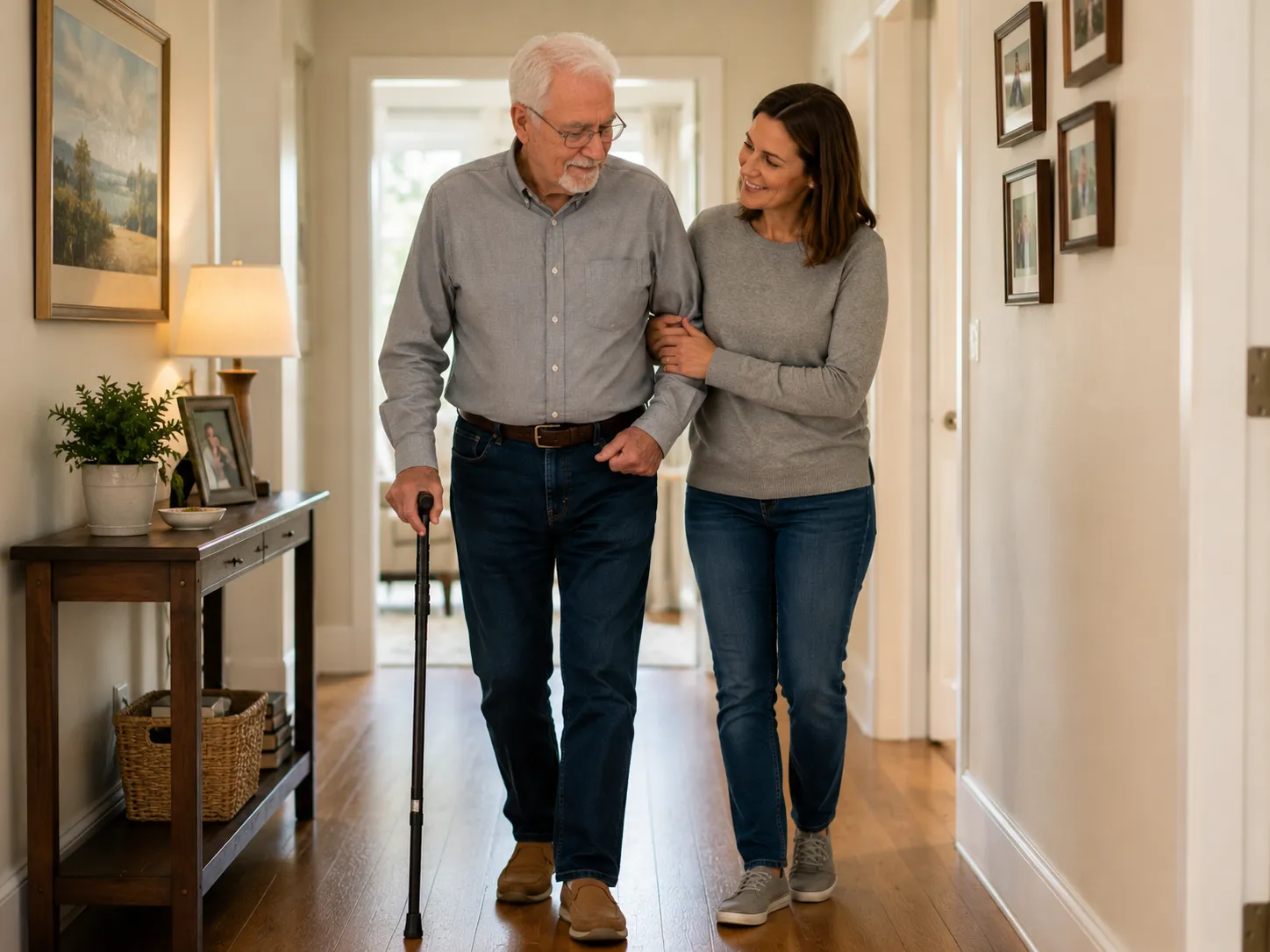
The clearest sign is a recent hospitalization for surgery, a stroke, or a serious illness that leaves someone unable to safely manage recovery at home. Other signs include open wounds requiring professional dressing changes, a need for IV medication, or physical therapy that requires daily supervision.
Watch for practical red flags too. If a parent is having trouble with mobility after a fall, can't manage new medications safely, or needs help getting in and out of bed, a doctor may recommend a stay at a senior care skilled nursing facility before returning home. Ask the hospital discharge team directly whether skilled care is medically appropriate, since that determination affects Medicare coverage.
How Do You Choose the Right Senior Nursing Care Facility?
Start with the medical need. If the primary issue is physical recovery, prioritize facilities with strong rehab programs, good staffing ratios, and a track record of getting patients home. If the primary issue is memory loss, prioritize dementia-trained staff and a secured, homelike environment instead.
Visit in person when possible. Ask about staff-to-resident ratios, how care plans are updated, and what happens if your loved one's needs change. The National Institute on Aging *(opens in new tab)* notes that nursing homes, sometimes called skilled nursing facilities, provide a wider range of medical services than assisted living or board and care homes, so confirm exactly what level of care a specific building offers before signing anything.
It also helps to think beyond today's needs. A parent recovering from hip surgery this month may need senior nursing home care again down the road, or may eventually need memory support if cognitive changes appear. Choosing a facility connected to a broader care network can save a second stressful search later.
Frequently Asked Questions
Does Medicare cover home skilled nursing facilities long term?
No. Medicare covers up to 100 days of skilled nursing care per benefit period, and only after a qualifying three-day inpatient hospital stay. It does not cover long-term custodial care.
Is a nursing home the same as a skilled nursing facility?
Not exactly. A nursing home is often used as a permanent residence for people who need daily assistance, while a skilled nursing facility is meant for short-term medical recovery, though the two sometimes operate under the same roof.
Can someone with dementia stay in a skilled nursing facility?
Yes, if they also have a medical condition that requires skilled care. Many skilled nursing facilities have staff trained to support residents with dementia alongside their physical treatment.
What's the difference between senior memory care and assisted living?
Assisted living supports daily tasks like bathing and medication reminders for people who are otherwise independent. Senior memory care adds secured environments and dementia-specific staff training for people with Alzheimer's or related conditions.
Making the Right Call for Your Family
Home skilled nursing facilities exist to get people through recovery, not to serve as a permanent home. Memory care serves a different purpose entirely, built around safety and cognitive support for the long haul. Knowing which one your loved one actually needs, and what Medicare will and won't pay for, makes the decision far less overwhelming.
If you're weighing skilled nursing against other levels of care, explore your options on Geezer Guide to compare facilities and understand what fits your family's situation best.



























Sign in to leave a comment.