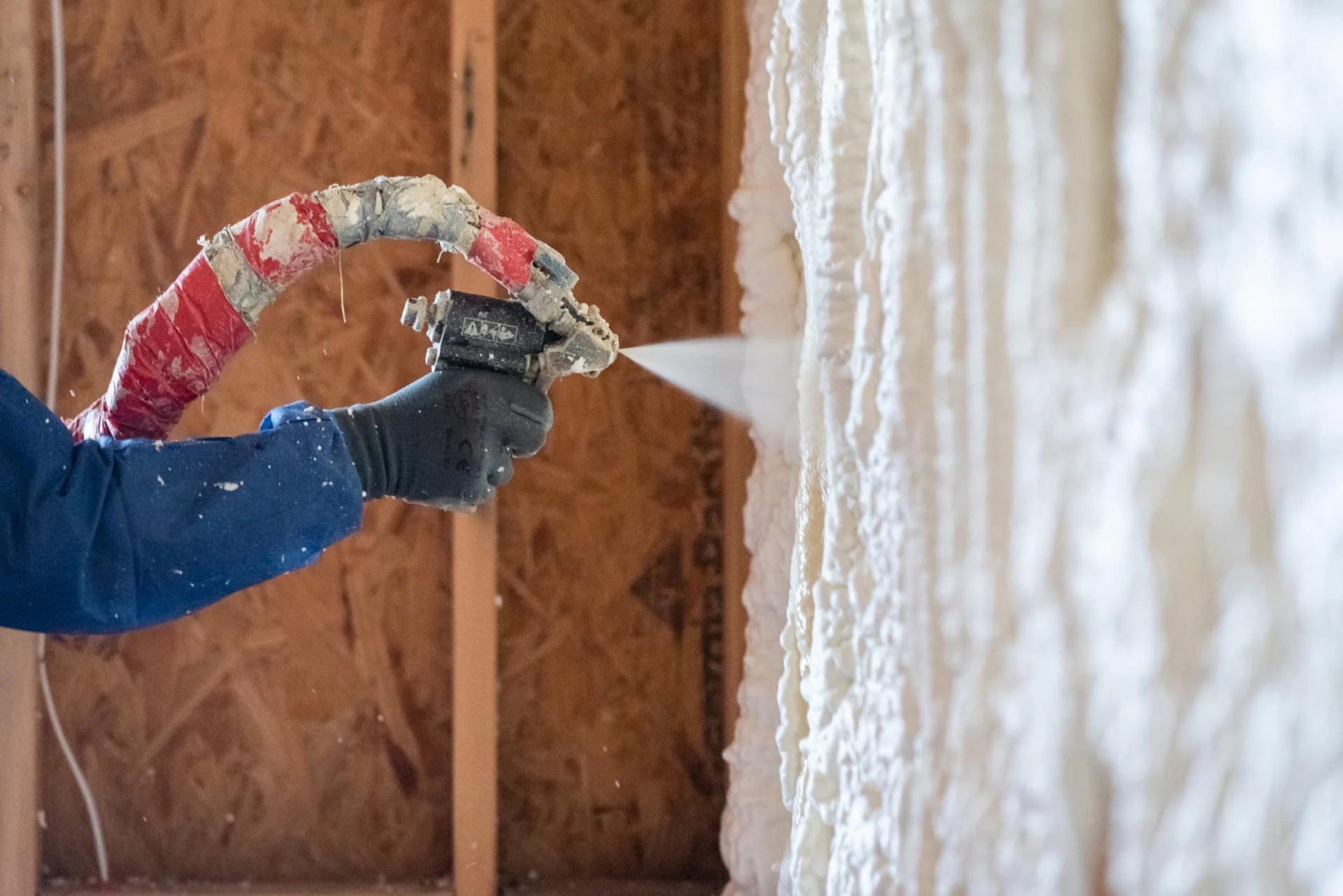

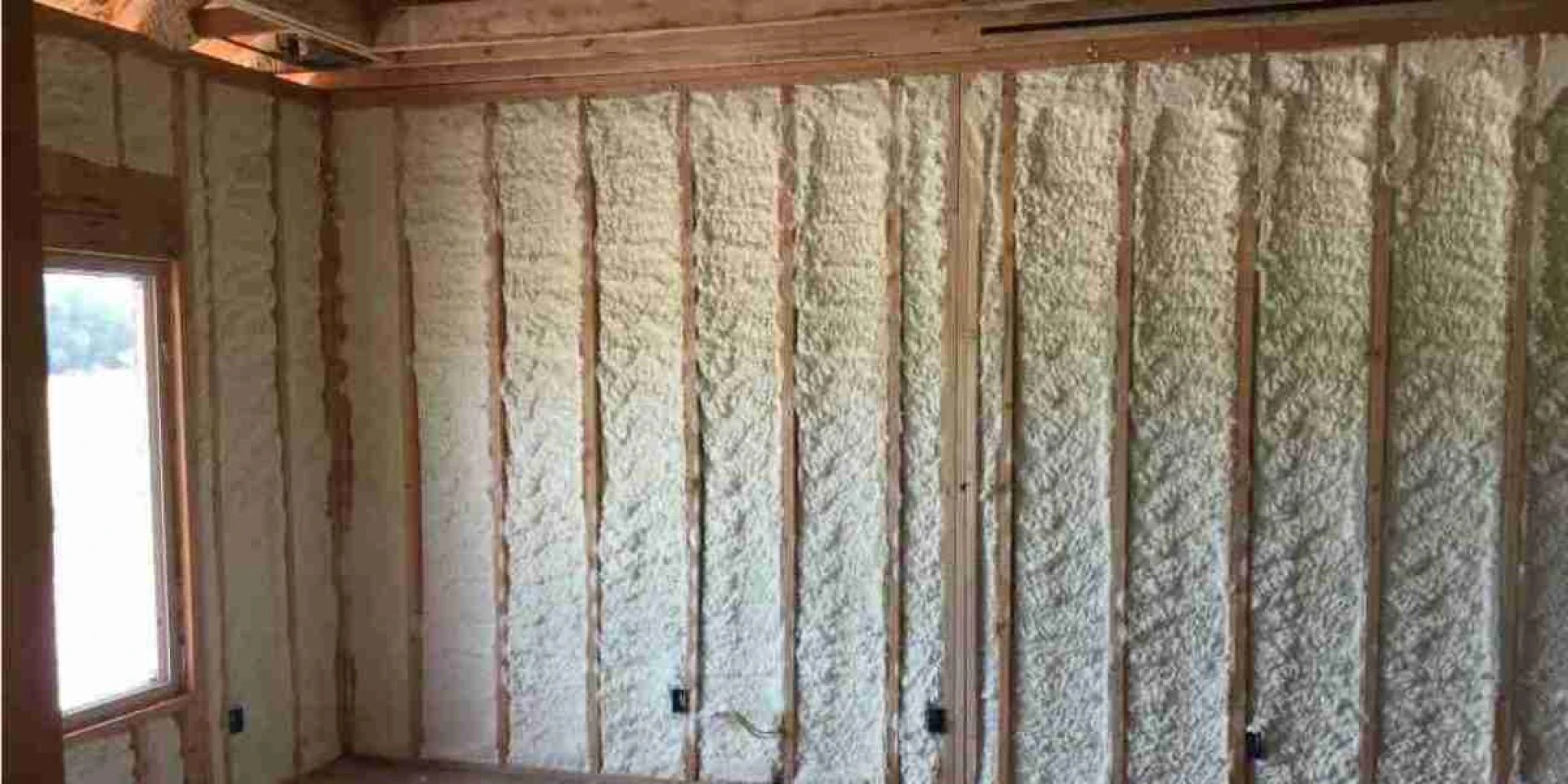
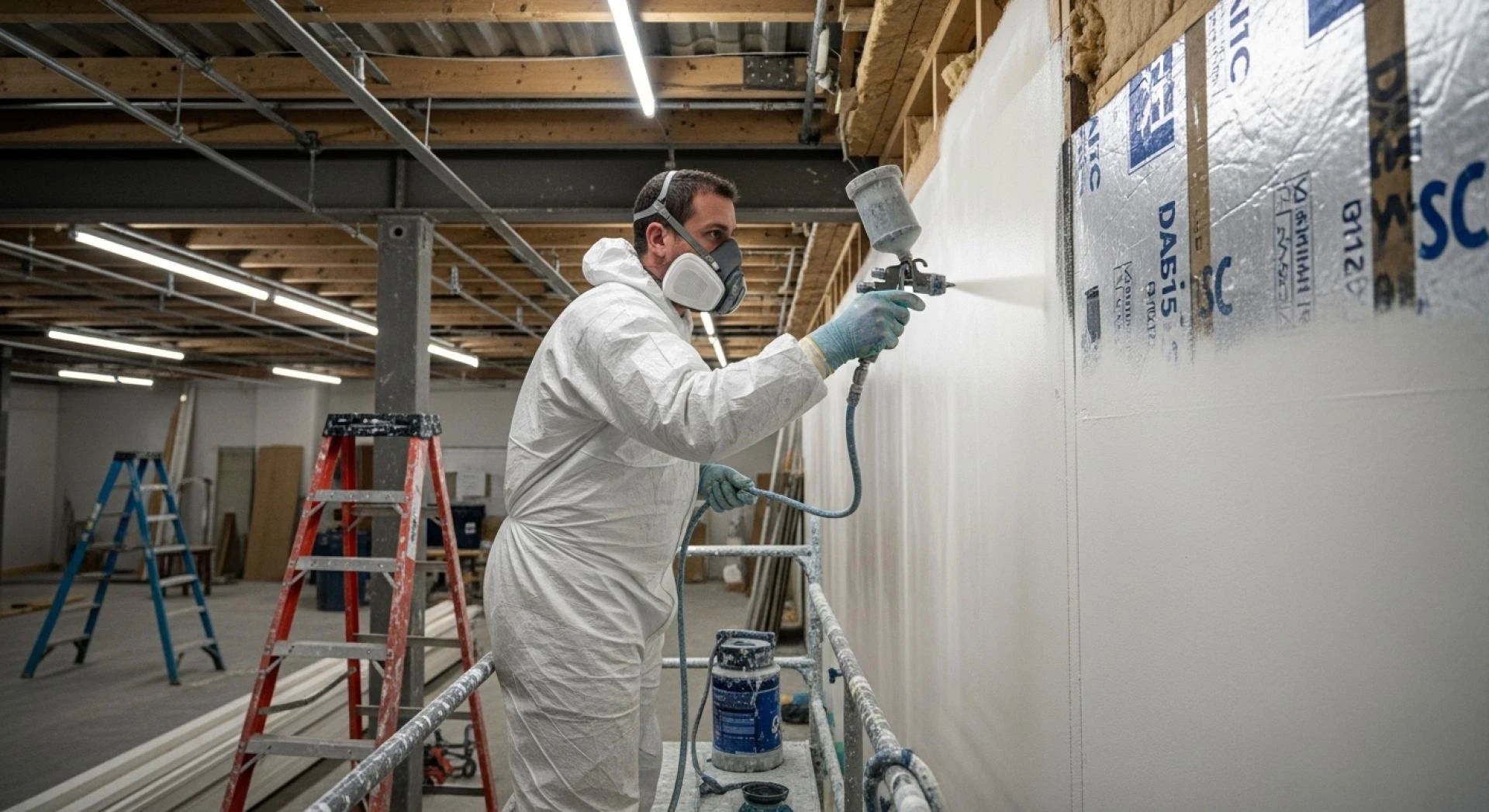
Effective communication with insulation contractors begins with understanding that Residential Spray Foam Insulation is a manufacturing process that happens on-site, not just a product purchase. Homeowners achieve the best results when they frame discussions around building performance, air sealing, and moisture control rather than simply comparing price per board foot. The most productive conversations focus on the specific type of foam suitable for the structure, the installer’s qualifications, and the property’s long-term energy goals.
By asking detailed questions about the application method and the science behind the material, property owners can distinguish between experienced professionals and general laborers. A knowledgeable homeowner controls the dialogue by requesting specific details on how the insulation will improve the home's "envelope"—the barrier between the indoors and outdoors. This guide outlines the essential vocabulary and inquiry strategies needed to navigate these technical discussions confidently.
Understanding Key Insulation Terminology
Before inviting a contractor for a quote, it helps to master a few industry terms. This knowledge prevents misunderstandings and signals to the provider that the customer is serious about quality. The two most critical concepts are R-value and air barriers, which function differently in spray foam compared to traditional materials.
The Difference Between R-Value and Air Sealing
R-value measures resistance to heat flow, but it does not account for air leakage. Spray foam provides both an R-value and a complete air seal, which stops drafts. When discussing this with a professional, ask how their application will address "air infiltration" specifically.
- Thermal Bridge: A structural element, like a stud, that allows heat to bypass insulation.
- Building Envelope: The physical separator between the conditioned and unconditioned environment.
- Perm Rating: A measure of how much water vapor can pass through the material.
Distinguishing Foam Types
The industry divides spray foam into two primary categories: open-cell and closed-cell. Confusing these two leads to improper applications, such as using open-cell foam in a damp crawl space. Homeowners must clarify exactly which type is being proposed for each specific area of the house.
Bonus Tip: Verification of Materials
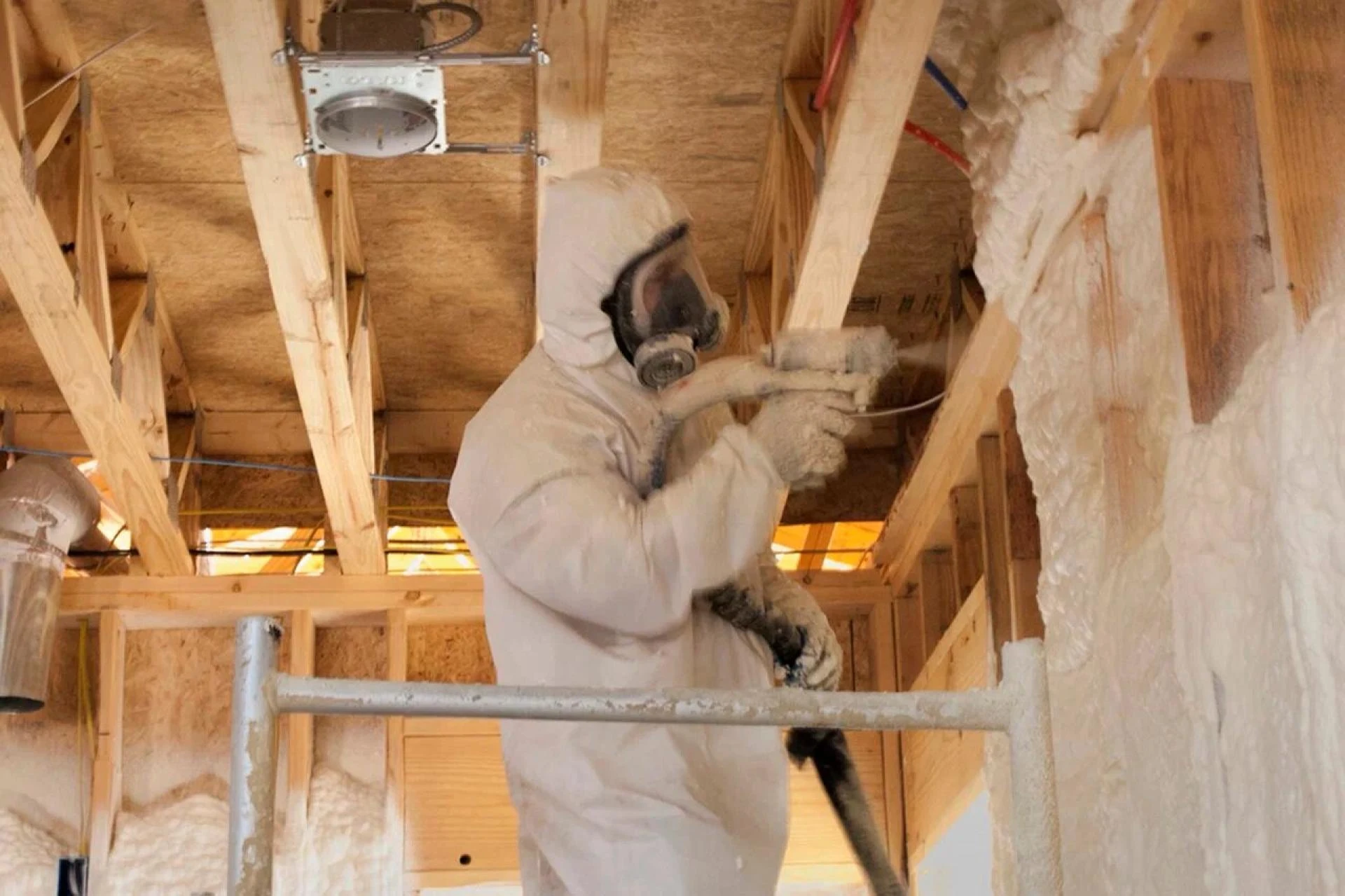
Ask the contractor to specify the foam brand and density in the written contract. This ensures that the material installed matches what was discussed during the consultation and protects the homeowner from inferior product substitutions.
Application Areas and Limitations
Not every foam works in every location. Discussions should explain why a specific foam is chosen for the attic rather than the walls. For instance, closed-cell foam is mandatory for below-grade applications due to its moisture resistance, while open-cell foam is often preferred for sound dampening in interior walls.
Essential Questions for Contractors
A high-quality contractor will welcome questions about their process and safety protocols. Homeowners should steer the conversation toward the practical aspects of the installation day. This includes asking about the equipment they use and how they handle the chemical mixture.
Safety and Ventilation Protocols
Spray foam requires strict safety measures during application to protect residents and workers. Inquiries should focus on how the crew manages ventilation and off-gassing. A reputable company will have a clear plan for venting fumes and will advise on how long the family should remain out of the house.
- Re-entry Time: The number of hours occupants must wait before returning.
- Overspray Protection: How they protect furniture, windows, and floors from accidental damage.
- Old Insulation Removal: Whether they remove existing fiberglass or cellulose before spraying.
Evaluating Quotes and Proposals
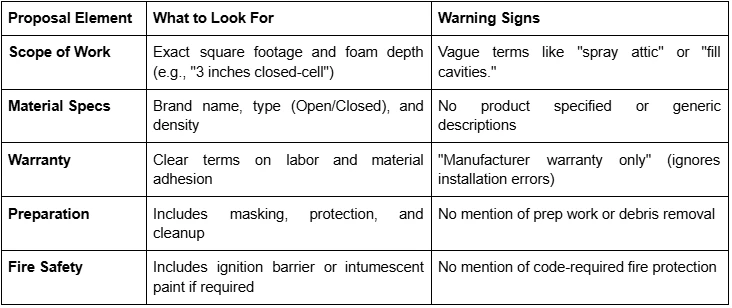
Reading a spray foam quote requires looking beyond the bottom line. A vague estimate often leads to hidden costs or poor workmanship. The proposal should break down the scope of work in detail, including the depth of the foam and the total area to be covered.
Comparing Proposal Elements
Things to Consider Before Making a Decision
Property owners must evaluate their home's condition before committing to spray foam. If the roof needs replacing or there are active leaks, these must be addressed first. Spraying foam to the underside of a damaged roof deck can hide leaks and lead to rot. Additionally, consider future renovations; moving electrical wires is much harder once they are encased in rigid foam.
Market Data on Efficiency and Value
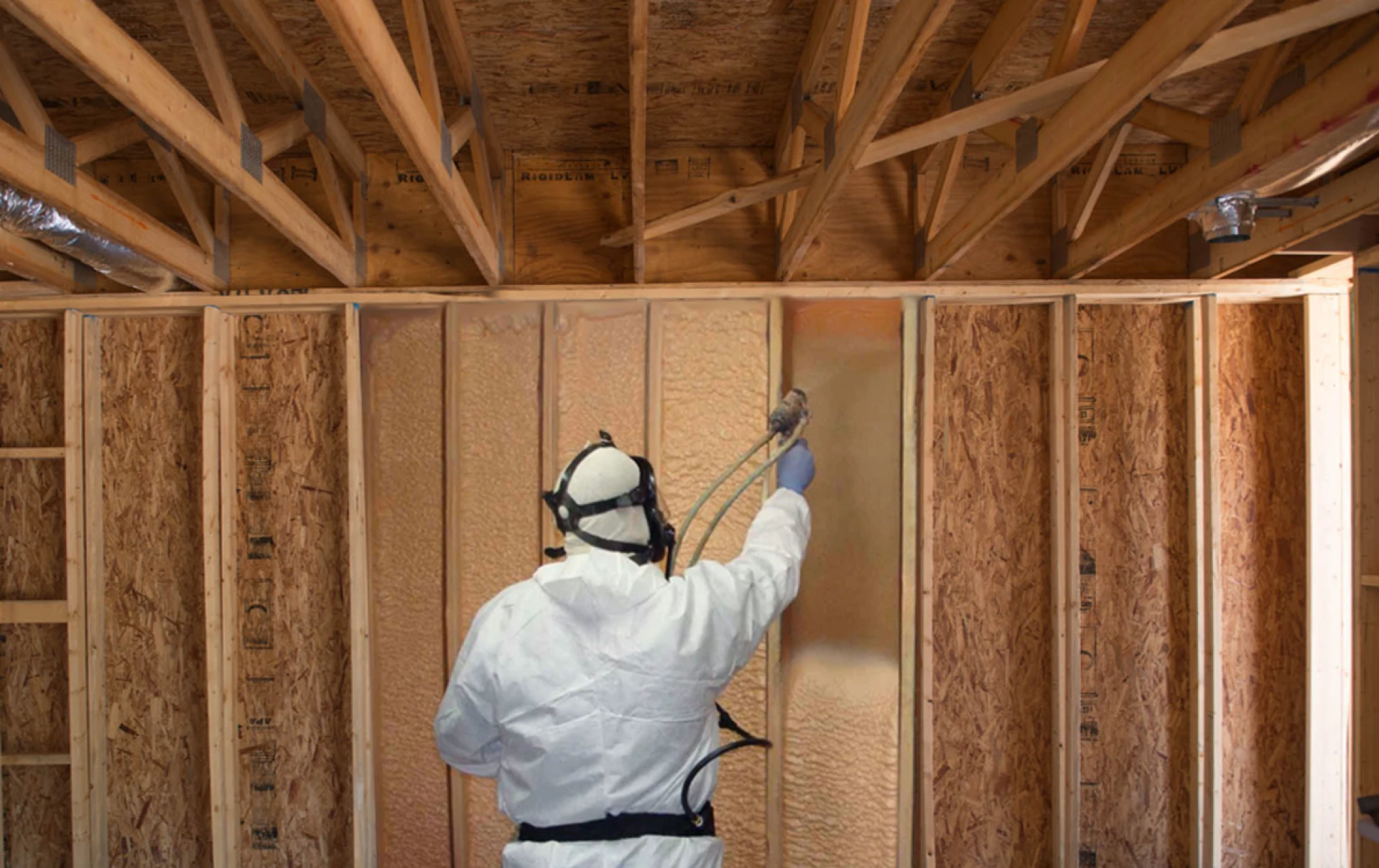
According to the Department of Energy, sealing air leaks can save homeowners up to 20 percent on heating and cooling costs. Furthermore, real estate data suggests that high-performance homes with documented energy upgrades often spend less time on the market. These figures provide a solid basis for viewing spray foam as a capital improvement rather than just a maintenance expense.
Common Questions About the Process
Discussions often turn to the immediate impact of the installation. Homeowners frequently ask about the smell and the mess.
Dealing with Odors
A faint odor is typical for a short time after application, similar to that of fresh paint. However, intense or fishy odors that persist indicate an off-ratio mix. Asking the contractor about their quality control procedures to prevent "off-ratio" spraying is a valid and smart question.
Code Compliance and HOAs
Homeowners should ask if the contractor pulls the necessary building permits. In many jurisdictions, adding insulation requires a specific inspection. Ensuring the project meets local building codes avoids headaches when it comes time to sell the property.
Summary
Successfully hiring a spray foam professional requires shifting the conversation from price to performance. By asking about air barriers, moisture control, and safety protocols, homeowners protect their investment and ensure a quality installation. A well-insulated home delivers comfort and savings for decades, making the initial effort to vet the contractor well worth the time.
Connecting with Insulation Experts
For homeowners seeking a transparent and educational approach to insulation, Premier Insulation offers comprehensive consultations. They prioritize explaining the science behind their methods and ensuring clients understand exactly what they are purchasing. Their team is ready to answer detailed questions about open and closed-cell applications.
To start a conversation about improving home efficiency, contact the office at (229) 554-3939. Inquiries can also be sent via email to [email protected] for a written response to specific project needs.
Frequently Asked Questions
These questions address the specific concerns that often arise during the final decision-making process.
Will spray foam void my roof warranty?
This is a common concern. While some shingle manufacturers have vague language, significant roofing associations state that properly ventilated or unvented spray foam systems do not damage shingles. It is best to check the specific warranty document for the shingles currently on the home.
How do I know if the foam is thick enough?
Contractors use a depth gauge (a small probe) to measure thickness during installation. Homeowners can ask to see these measurements or check them visually before the drywall goes up.
Can I stay in the house while they spray?
No, it is standard safety protocol for people and pets to vacate the premises during the spraying and curing process. This typically lasts for 24 hours, though some low-VOC products have shorter re-entry times.
Does spray foam attract pests?
Spray foam does not provide food for pests, and closed-cell foam is rigid enough to deter burrowing. However, it is not a pesticide. It helps by sealing the small gaps that insects and rodents use to enter the home.
Is removing old insulation necessary?
In most cases, yes. Removing dirt and dust from fiberglass allows the foam to bond directly to the substrate (wood or concrete), ensuring a perfect air seal. Leaving old insulation in place can trap odors and prevent the foam from working correctly.
Reviewer: Jack Parker, a spray foam professional with 7 years of experience, reviewed this post and helped improve sections dealing with brand clarity and customer communication.























Sign in to leave a comment.