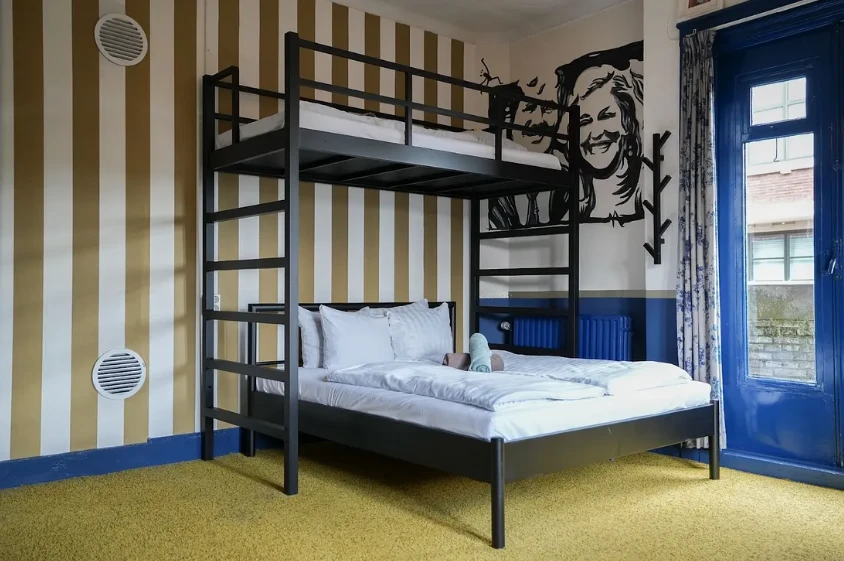

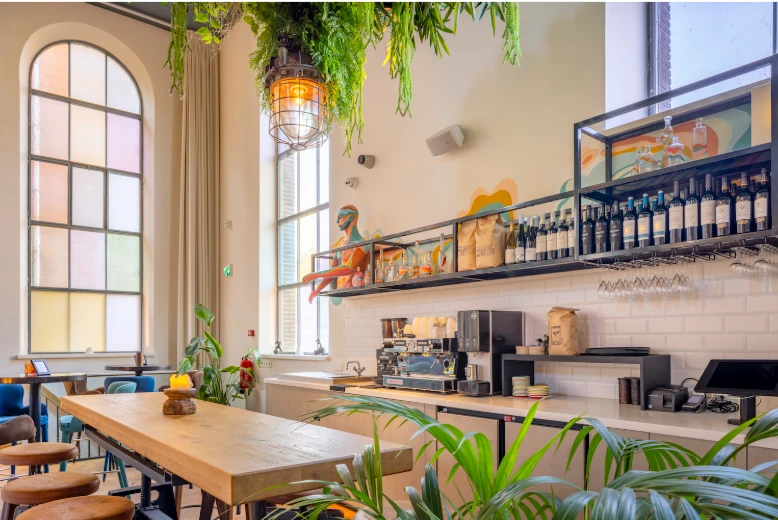
When it comes to making guests’ experiences in the hospitality industry unforgettable, the magic is often in the little things. Hotel furniture is one of the most important things that people often forget about, along with luxurious amenities and top-notch service. The right choice can change the look of your space, tell people about your brand, and even affect how happy guests are and what they say about it.
This complete guide will show you everything you need to know about choosing hotel furniture that works, looks good, and makes money, whether you’re building a new hotel, remodeling your current one, or just looking for ways to make your property more appealing.
Zoom image will be displayed
Why Hotel Furniture Matters More Than You Think
A lot of hotel owners don’t realize how much furniture affects the whole experience. In addition to being useful, hotel furniture also sets the mood and tone of your space.
- Encourages guests to stay longer and be comfortable.
- Improves functionality in small spaces.
- Shows off the story and personality of your brand.
- Make bookings look better and get better online ratings.
In today’s hospitality market, especially with the rise of boutique hotels and themed stays, furniture that looks good has gone from being nice to have to being necessary.
Key Considerations When Choosing Hotel Furniture
It’s not as easy as just picking out nice chairs or beds for a hotel. Your choices need to be stylish, useful, and long-lasting, all while keeping in mind how guests’ needs change over time. Here are some basic things to remember:
1. Quality of the materials and how long they last
Hotel furniture gets a lot of use, and guests often use it in different ways. That’s why it’s important to use materials like solid wood, engineered metal, and commercial-grade upholstery. If you want a long-term return on investment, don’t buy furniture for your home.
2. Make sure the design fits with your theme.
There is a story behind every hotel. Your furniture should match your style, whether it’s simple, industrial, rustic, or fancy. Consistent design helps people remember a brand and makes things fit together.
3. Making the most of space in small rooms
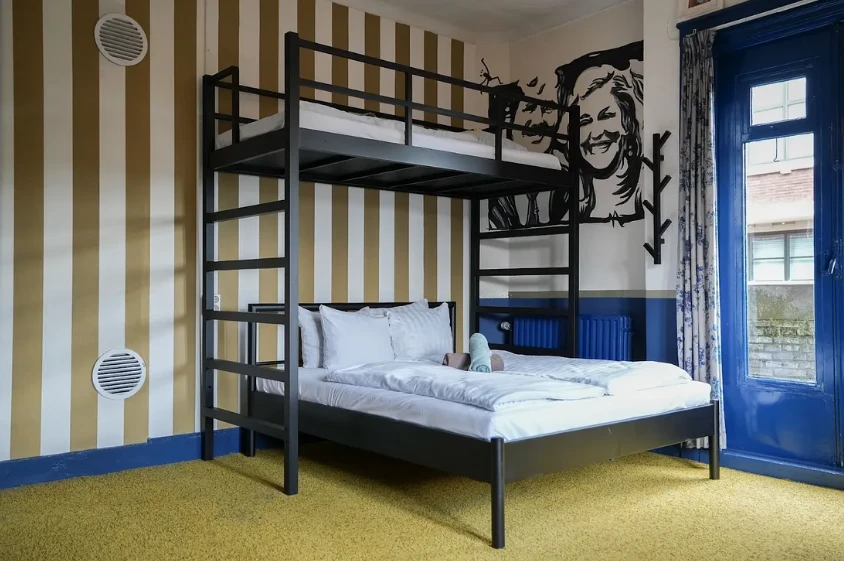
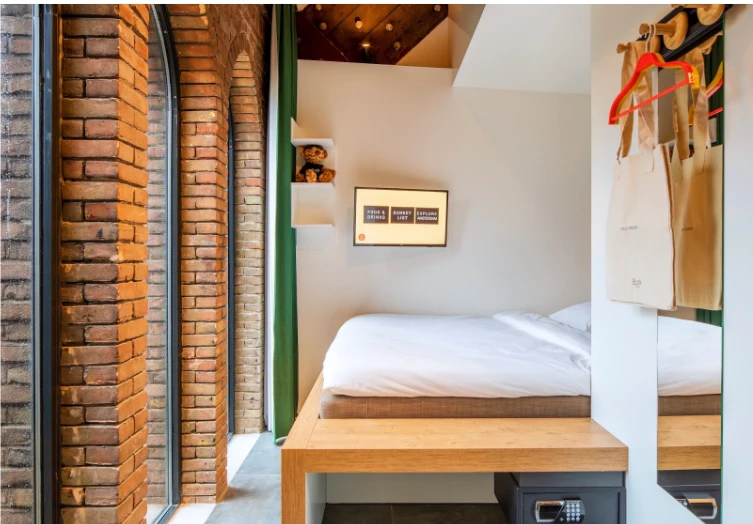
As more people choose to live in small spaces, especially in urban boutique hotels and capsule hotels, having furniture that can be used for more than one thing is now a competitive advantage. Think about beds with storage space built in, desks that fold out, or seating that can be mounted on the wall. The Pods Factory is a leader in the micro living concept. To learn more about how smart space solutions can change the way we do business, go there.
4. How easy it is to clean and keep up
Pick materials and finishes that can handle being cleaned often, especially after COVID, when cleanliness is still very important. Surfaces that don’t stain, kill germs, and can be wiped clean are a big plus.
5. Options for customization
Most of the time, standard solutions don’t work in all spaces. Work with furniture makers who can make custom hotel furniture that fits your room’s size, color scheme, and needs. Guests notice and appreciate this approach because it lets people be more creative.
Zoom image will be displayed
Trending Hotel Furniture Concepts in 2025
Following hospitality design terms are the most popular:
- Furniture for hotels that is good for the environment
- Furniture for hotels that saves space
- High-end modular units
- Desks and beds with built-in technology
- Design of a minimalist hotel room
Sustainability First
Travelers who care about the environment today choose hotels that share their values. People are more and more choosing furniture that is made from recycled materials, wood that is responsibly sourced, or modular parts. This also includes rental furniture models or refurbished pieces that are better for the environment.
Tech-Integrated Furniture
Smart rooms are now common, and tech-enhanced furniture is the next step. For example, nightstands with wireless charging ports, beds that adjust to fit your body, and chairs with built-in lighting and connectivity panels are all examples of this.
Zoom image will be displayed
Rooms That Work: Furniture Types Every Hotel Needs
Here is a list of important hotel furniture and tips for choosing the best ones:
1. Beds and Headboards
Choose designs that offer both comfort and style. Think about adding built-in USB ports, lights, or storage drawers to make it more useful.
2. Chairs and Desks
You need pieces that are comfortable to use, save space, and look good. These things should help people be more productive and comfortable, especially at business hotels.
3. Storage and closets
Choose smart storage units that help you stay organized without taking up too much space. Modern homes are going for sliding doors or open closets.
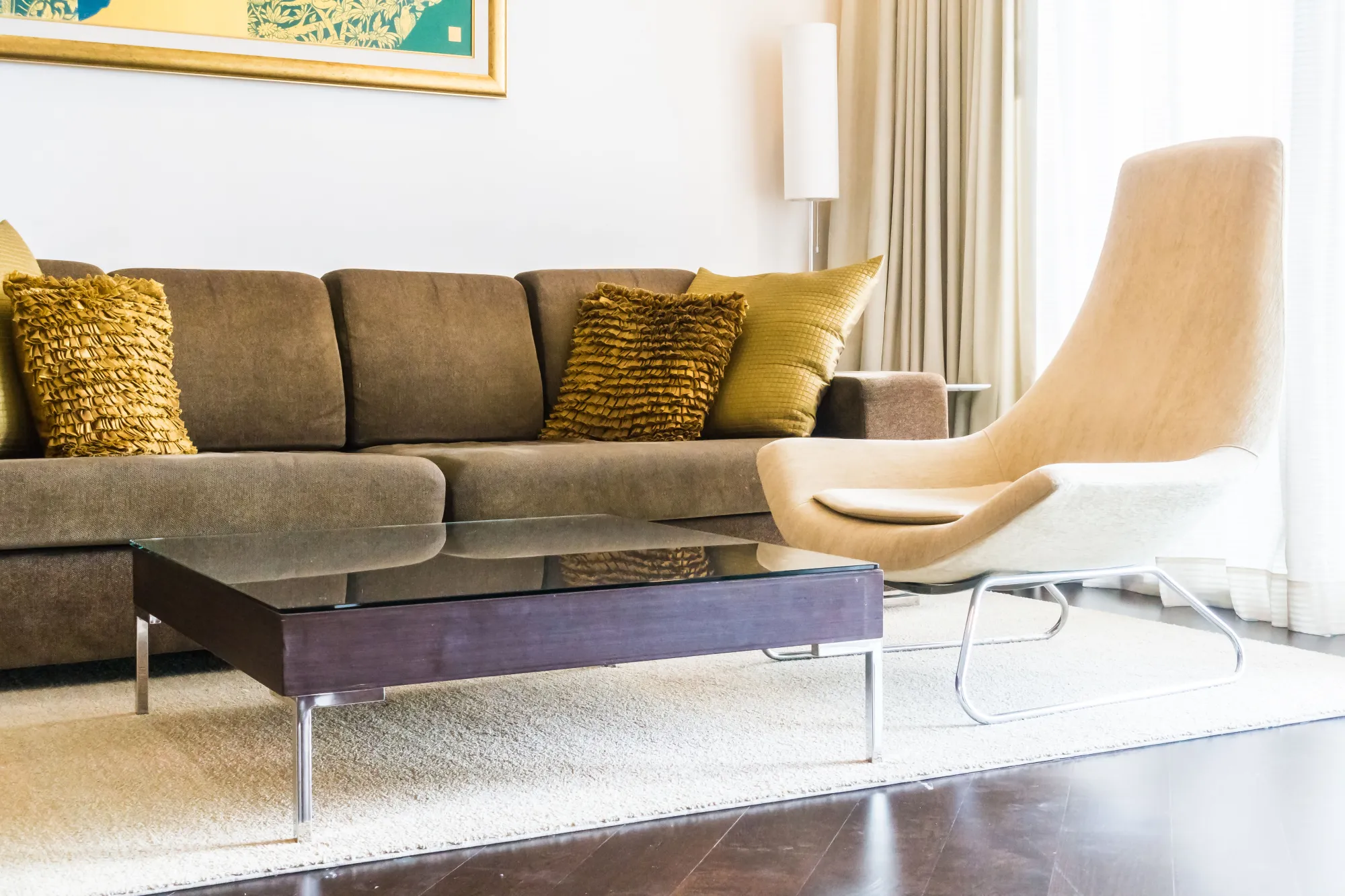
4. Furniture for the lounge
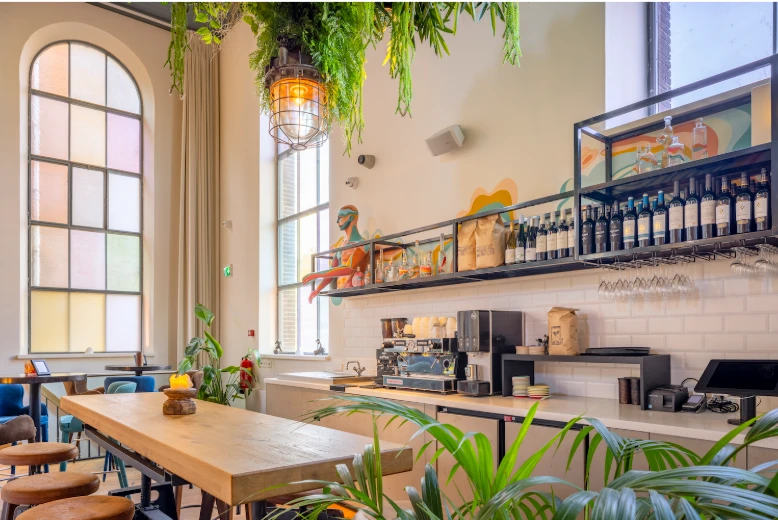
The furniture in the lobby and reception area should be welcoming and make the brand’s message clear right away. Choose comfortable seating, side tables, and lighting that makes people want to stay.
The Growth of Micro Living in the Hotel Industry
Micro living, a new trend in hospitality, is changing the way hotels are built and the kinds of furniture they need. This idea focuses on small, useful spaces that still feel luxurious. Micro living is both functional and stylish because real estate prices are high and travel demand is growing, especially in cities.
To make the most of every inch, hotels that follow this trend often use modular furniture, foldable beds, and hybrid seating-storage units. The Pods Factory is a leader in this field, offering solutions for small living spaces that are based on real-world innovations.
Finding Hotel Furniture: What to Look for in a Supplier
Picking the right furniture supplier is just as important as picking the furniture itself. Here’s what you should look for:
- Experience with hotel projects
- Ability to customize
- Support and warranty after the sale
- Services for logistics and installation
- Sustainable practices or green certifications
Always ask for portfolios, prototypes, or sample pieces to make sure the quality and design are the same every time.
Planning a budget for hotel furniture
Prices vary a lot depending on how complicated the design is, what materials are used, and how much customization is needed. Here’s a rough outline:
- Economy hotels cost between ₹5,000 and ₹15,000 per room and have basic furniture.
- Boutique hotels charge between ₹15,000 and ₹40,000 per room, depending on how the room is designed.
- Luxury hotels cost more than ₹50,000 per room and have high-end finishes and smart technology.
- Buying furniture that will last and never go out of style often saves you money in the long run on repairs and upgrades.
Last Thoughts
It’s not just about how the hotel furniture looks when you choose it. It’s about creating a consistent experience that fits with your hotel’s vision, meets the needs of today’s guests, and helps operations run smoothly. Furniture can make or break how your guests remember their stay, whether you’re building a big luxury resort or a small city capsule hotel.
And if you’re looking into how micro living and space-saving innovation can change the way your guests experience your space, don’t miss out on the new designs and solutions from The Pods Factory. Their work shows what the future of hospitality design will look like.
FAQs
Question 1: What kind of material is best for hotel furniture?
Answer: For looks and durability, solid wood, engineered metal, and commercial-grade laminates or upholstery are the best choices. Always pick materials that are good for business.
Q2: How often should you change the furniture in a hotel?
Answer: Hotel furniture can last 7 to 10 years if it is made of good materials. But worn-out looks or styles that are no longer in style may make you want to replace them sooner.
Q3: Is it possible to change the furniture in a hotel?
Yes, the answer is yes. Many high-end brands let you fully customize their products to fit the size of your room, the colors of your brand, and your specific needs.
Q4: What are the newest styles of hotel furniture for 2025?
Answer: Some important trends are using eco-friendly materials, making furniture that can be put together in different ways, adding tech features to furniture, and making furniture that can be used for more than one thing.
Q5: How does living in a small space affect the furniture choices in hotels?
Answer: It puts comfort first by using furniture that is small, multi-functional, and space-saving, like wall beds, smart desks, and built-in storage.


























Sign in to leave a comment.