

The year 2024 has brought in a new era of innovation and advancement in the field of sustainable waste management in response to growing environmental concerns. A growing worldwide awareness of resource depletion and climate change is motivating governments, corporations, and individuals to work together to transform the way we manage trash. This essay aims to examine the revolutionary advancements that are transforming the waste management industry in 2024 and propelling us into a more sustainable future.
Advanced Recycling Technologies:
The quick development of recycling technology is one of the main forces behind change in 2024. Modern advancements are being added to conventional recycling techniques to improve the efficiency of removing valuable materials from waste streams. Recycling facilities are integrating automation, robotics, and artificial intelligence to streamline the sorting process and reduce contamination. This preserves natural resources by raising recycling rates and lowering the demand for additional raw material extraction.
Circular Economy Initiatives:
In 2024, the idea of a "circular economy," in which goods are made to be recycled, repaired, or reused, will become more and more popular. Businesses are reassessing their manufacturing procedures in an effort to reduce waste and extend product life. Adopting sustainable materials, creating products with recyclability in mind, and setting up take-back programmes to guarantee responsible disposal are all part of this shift towards circularity. Businesses are helping to reduce waste and create a more sustainable consumption model by adopting the circular economy's tenets.
Waste-to-Energy Technologies:
Waste-to-energy technologies are emerging as a viable solution not only for waste management but also for addressing the challenges of product removal and destruction. By converting non-recyclable waste into energy and decreasing dependency on fossil fuels, advanced incineration and gasification technologies are being used to lessen the environmental impact of landfills. This strategy contributes to a more sustainable and diverse energy portfolio by offering a cleaner alternative energy source in addition to helping to reduce waste volume.
Smart Waste Management Systems:
The monitoring and collection of waste is being revolutionised by the integration of Internet of Things (IoT) technologies into waste management systems. Sensor-equipped smart bins exchange real-time fill level data, enabling resource allocation and collection routes that are optimised. This improves overall operational efficiency while also lessening the environmental impact of waste collecting vehicles. Additionally, by offering knowledge on appropriate garbage disposal techniques through mobile apps, citizens are getting more involved and encouraging environmental stewardship and a sense of responsibility.
Public and Private Collaboration:
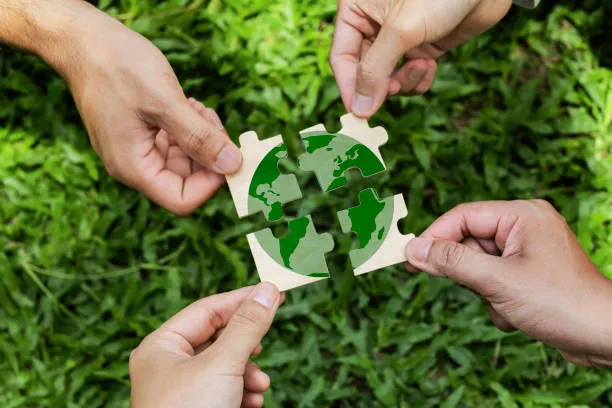
Governments, corporations, and communities are realising in 2024 how crucial it is to work together to accomplish sustainable waste management objectives. Large-scale waste management programmes are leveraging resources, finance, and expertise through the formation of public-private partnerships. These collaborations aim to create a unified front in addressing waste-related challenges, from implementing recycling infrastructure to promoting public awareness campaigns that also encompass responsible product removal and product destruction practices.
Conclusion:
The progress made in 2024 towards sustainable waste management are encouraging, especially in light of the difficulties presented by a quickly changing climate and depleting natural resources. The way we handle and manage garbage is changing as a result of the convergence of cutting-edge technology, circular economy ideas, waste-to-energy solutions, smart systems, and cooperative initiatives. By adopting these advances, we are building the groundwork for a future that is more robust and sustainable while also reducing our negative effects on the environment. In the continuous transition to a circular and waste-aware society, where trash is viewed as a precious resource to be used carefully rather than as a problem, 2024 will be a turning point.

















Sign in to leave a comment.