
Fat transfer procedures have become a widely discussed topic in modern aesthetic and reconstructive medicine. The process involves collecting fat from one area of the body, preparing it carefully, and then placing it into another area where volume enhancement or tissue restoration is needed. As techniques continue to evolve, medical professionals rely on advanced equipment to improve consistency throughout the procedure.
One of the most important developments in this field is the use of specialized processing systems. A fat grafting machine plays a central role in preparing harvested fat before it is transferred. Instead of relying solely on manual methods, practitioners can use modern technology to handle and process fat in a controlled environment. This shift reflects the broader trend toward greater precision and standardization in medical procedures.
Why Fat Processing Matters in Modern Procedures
The quality of transferred fat depends on how it is collected, handled, and prepared. During the harvesting stage, fat tissue must be separated from fluids and other unwanted materials before reinjection. The preparation phase requires attention because the condition of the fat can influence the overall procedure. Medical professionals use different techniques to process harvested tissue. Some methods involve filtration systems, while others use specialized devices designed specifically for fat preparation.
The goal is to obtain purified fat suitable for transfer while maintaining procedural efficiency.
A fat grafting machine helps support this stage by creating a structured workflow. Rather than moving through several disconnected steps, clinicians can often manage collection and processing within a more organized system. As procedural demands increase, equipment designed for streamlined fat handling continues to gain attention in surgical and clinical settings.
The Role of Collection Systems During Fat Harvesting
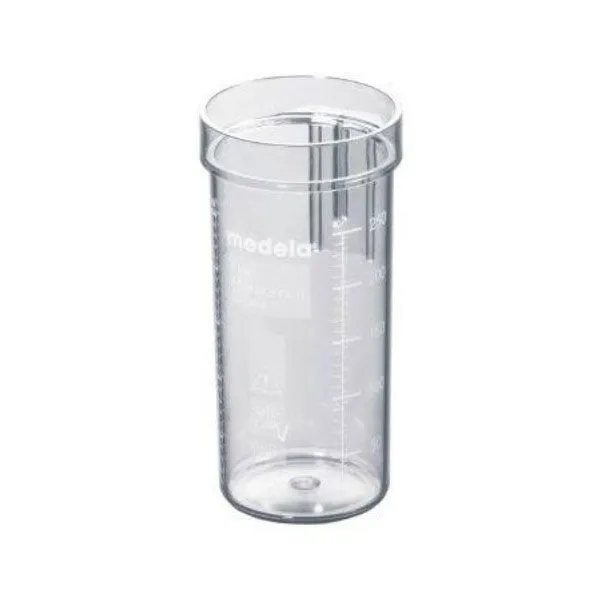
Before fat can be prepared for transfer, it must first be collected safely. Collection systems serve as an important connection between the harvesting process and the preparation stage. They help gether adipose tissue while keeping the material contained throughout the procedure. A liposuction fat container is commonly used during this phase. It functions as a collection chamber where harvested fat is stored before further processing.
Because the tissue moves directly into a dedicated container, clinicians can maintain a controlled workflow from the beginning of the procedure. The development of advanced collection equipment reflects the growing demand for systems that support consistency and organization. Modern devices often integrate multiple functions, reducing the need to transfer materials repeatedly between separate containers.
How Technology Shapes Current Fat Transfer Workflows
Medical technology continues to influence how procedures are performed across many specialties. Fat transfer techniques are no exception. Equipment manufacturers have focused on creating systems that simplify preparation while helping clinicians maintain procedural control. Automation and closed-system designs have become important features in many modern devices. These technologies allow tissue to move through the collection and preparation stages with fewer interruptions.
As a result, healthcare providers can follow a more structured process during treatment sessions. The integration of a fat grafting machine into clinical workflows demonstrates how technology supports procedural advancement. Instead of relying entirely on traditional preparation methods, clinicians can use equipment designed to manage multiple stages of fat processing within a single system. This approach reflects the ongoing effort to combine precision with practical workflow management.
Maintaining Efficiency in Fat Handling Procedures
Efficiency remains an important consideration in any medical procedure. When tissue must be collected, prepared, and transferred, each step contributes to the overall process. Equipment that supports organized handling can help practitioners move through these stages in a systematic manner. Collection devices and processing systems often work together to create a continuous pathway for harvested fat. This integration can reduce unnecessary handling and support a smoother procedural experience.
A liposuction fat container serves as an example of how dedicated equipment contributes to this workflow by providing a designated space for collected tissue before preparation begins. As medical practices continue to adopt advanced technologies, the emphasis on structured procedures remains strong. The ability to coordinate multiple steps within a connected system reflects a broader movement toward streamlined clinical operations.
Looking Ahead at Future Developments
The field of fat transfer continues to evolve as technology advances and procedural techniques become more refined. Medical professionals increasingly seek solutions that support consistency, efficiency, and workflow integration. Equipment manufacturers respond to these demands by developing systems that combine collection, processing, and preparation capabilities within unified platforms.
As innovation continues, the relationship between technology and procedural practice will likely grow even stronger. The combination of advanced collection systems, dedicated processing devices, and integrated workflows reflects the direction of modern fat transfer procedures. These developments illustrate how specialized equipment continues to shape the way clinicians approach tissue handling and preparation in contemporary medical settings.
The Growing Importance of Specialized Equipment
The demand for fat transfer procedures has encouraged ongoing innovation in equipment design. Manufacturers continue to introduce systems that address different stages of tissue collection and preparation. These advancements highlight the importance of specialized tools in modern procedural environments. A fat grafting machine represents one example of technology developed to support contemporary fat transfer techniques.
By focusing on preparation and processing functions, these systems help clinicians manage harvested tissue more effectively within established procedural protocols. At the same time, supporting equipment remains equally important. Devices such as a liposuction fat container contribute to the collection process and help create a coordinated workflow from harvesting through preparation. Together, these technologies demonstrate how specialized equipment has become an essential part of modern fat transfer procedures.
























Sign in to leave a comment.