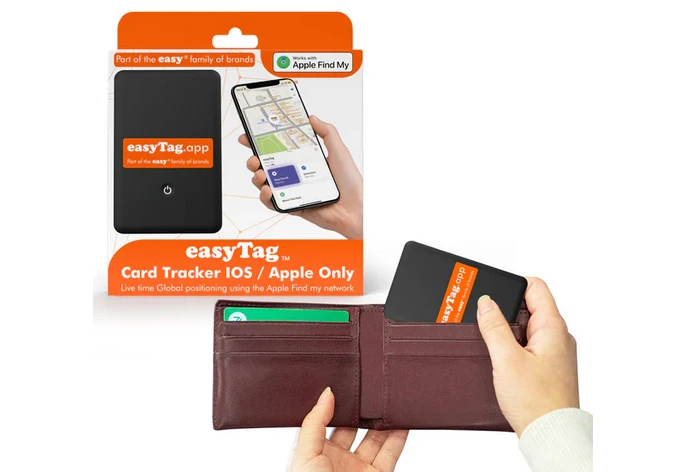

A gps tracker tag is a small but powerful tool that helps people know where an object, person, or animal is at any moment. It has become an important part of daily life for many users who want safety, control, and peace of mind. From keeping track of keys to monitoring valuable equipment, this technology offers real time location updates in a simple and reliable way.
This article explains how a gps tracker tag works, what happens behind the scenes, and why it has become so useful in modern life. The explanation is kept clear and easy to understand, even for readers who are new to tracking technology.
Understanding the Basics of a GPS Tracker Tag
A gps tracker tag is a compact device designed to send location information from one place to another. It uses a global positioning system to find its position on Earth and then shares that information with a connected device such as a mobile phone or computer.
The main purpose of a gps tracker tag is to provide real time or near real time location updates. This means the user can see where the tagged item is without being physically close to it. The tag works quietly in the background, collecting and sending data at regular intervals.
At its core, the tag depends on a combination of satellites, communication networks, and software. Each part plays an important role in making sure the location shown on a screen matches the real world position of the tag.
The Role of GPS Satellites in Location Tracking
The global positioning system is made up of satellites that orbit the Earth. These satellites constantly send signals down to the planet. A gps tracker tag listens for these signals and uses them to calculate its exact location.
How Satellites Help Find a Location
Each satellite sends out a signal that includes its position and the time the signal was sent. The gps tracker tag receives signals from multiple satellites at the same time. By measuring how long it takes for each signal to arrive, the tag can calculate how far away each satellite is.
When the tag has distance information from several satellites, it can determine its own position using basic math. This process is called triangulation. The result is a set of coordinates that represent the tag’s location on Earth.
This entire process happens very quickly. In most cases, the user does not notice any delay. The location data is updated often enough to feel like real time tracking.
How a GPS Tracker Tag Sends Location Data
Finding a location is only part of the process. A gps tracker tag must also send that location data to the user. This is done using communication technology that connects the tag to a network.
Different tracker tags may use different methods to send data. Common options include cellular networks, low power wide area networks, or nearby devices that act as a bridge. The goal is always the same. The location data must reach the user in a reliable and efficient way.
Data Transmission and Real Time Updates
Once the gps tracker tag knows its position, it packages that information into a small data message. This message includes coordinates, time, and sometimes additional details like movement speed or battery level.
The tag then sends this message through its chosen network. The data travels from the tag to a server and then to the user’s app or dashboard. This entire journey often takes only a few seconds.
Real time updates depend on how often the tag sends data. Some tags update every few seconds, while others update every few minutes to save power. Users can often choose the update frequency based on their needs.
Power Source and Battery Efficiency
A gps tracker tag needs energy to operate. Most tags use a small battery that is designed to last as long as possible. Power management is a key part of how these devices work.
The tag uses power when it listens for satellite signals, processes data, and sends messages. To reduce battery use, many tags enter a sleep mode when they are not moving. They wake up only when motion is detected or when it is time to send an update.
Battery life can vary based on usage. Frequent updates and constant movement use more power. Less frequent updates and stationary use allow the battery to last longer. This balance helps the gps tracker tag remain practical for everyday use.
Software and User Interface Behind the Scenes
The hardware inside a gps tracker tag is only part of the experience. Software plays a major role in turning raw location data into something useful and easy to understand.
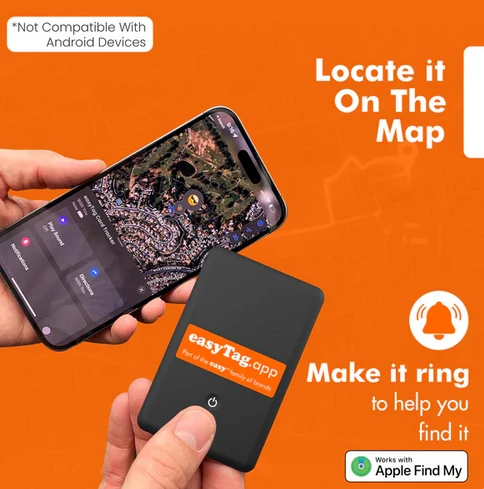
The location data sent by the tag is processed by software that displays it on a map. The user can open an app or dashboard to see the current location and sometimes the movement history.
Making Location Data Easy to Understand
Good software presents information in a clear and simple way. Maps are often interactive, allowing users to zoom in and out. Notifications can alert the user when the tag enters or leaves a specific area.
This software also handles security and privacy. Location data is usually protected so only authorized users can access it. This ensures that tracking remains safe and trustworthy.
Accuracy and Factors That Affect Performance
A gps tracker tag is designed to be accurate, but several factors can influence how well it performs. Understanding these factors helps users know what to expect.
Clear access to the sky improves accuracy. When the tag is outdoors with a wide view, it can receive signals from more satellites. This leads to better location precision.
Obstacles such as buildings, dense trees, or being indoors can reduce signal quality. In these cases, the tag may take longer to find its position or may show a less precise location. Many modern tags are designed to handle these challenges as best as possible.
Common Uses of a GPS Tracker Tag
The versatility of a gps tracker tag makes it useful in many situations. People use these devices to protect belongings, ensure safety, and improve efficiency.
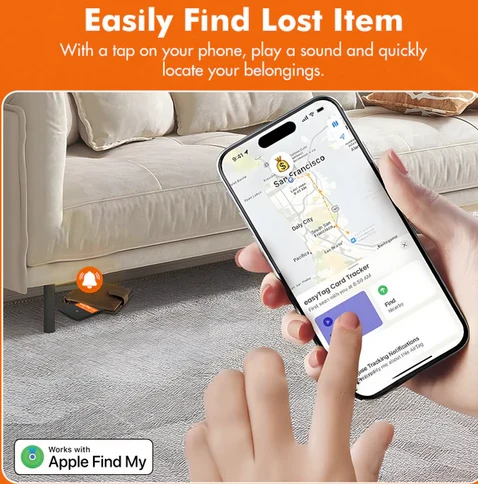
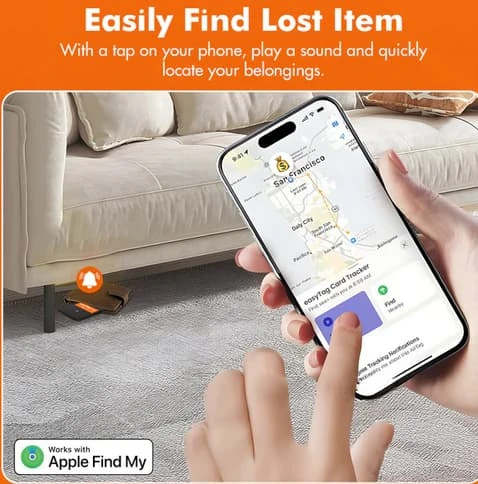
For personal use, tags are often attached to keys, bags, or bicycles. This helps users quickly find lost items. Parents may use tags to keep an eye on children during outings, while pet owners use them to track animals that like to roam.
In professional settings, tags help monitor equipment, tools, and vehicles. This reduces loss and improves organization. The ability to see real time location data makes planning and decision making easier.
Privacy and Responsible Use of Tracking Technology
While a gps tracker tag offers many benefits, it also raises questions about privacy. Responsible use is important to maintain trust and respect.
Tracking should always be done with consent. People should know when they are being tracked and why. Clear communication helps avoid misunderstandings and misuse.
Most modern tracking systems include privacy controls. These allow users to decide who can see location data and when tracking is active. This balance ensures that the technology remains helpful rather than intrusive.
Future Improvements in GPS Tracker Tag Technology
The technology behind a gps tracker tag continues to improve. Advances in satellite systems, battery technology, and communication networks are making tags smaller, more accurate, and more efficient.
Future tags may offer longer battery life, faster updates, and better performance indoors. Integration with other smart systems could make tracking even more seamless and intuitive.
As technology evolves, the gps tracker tag is likely to become an even more common part of daily life. Its ability to provide real time location updates will continue to support safety, convenience, and peace of mind.
A Smarter Way to Stay Connected to What Matters
Understanding how a gps tracker tag works helps users appreciate the technology that keeps them connected to what matters most. From satellites in space to software on a screen, each part plays a role in delivering accurate and timely location information.
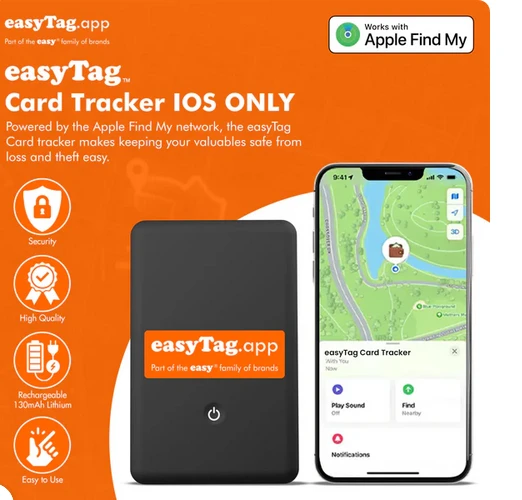
For those looking for a practical and reliable tracking solution, easyTag offers an approach that fits naturally into everyday needs. By choosing a thoughtful and user friendly option, individuals and families can take a confident step toward better organization, safety, and control. Now is the right time to explore how a simple gps tracker tag can make life easier and more secure with easyTag.

























Sign in to leave a comment.