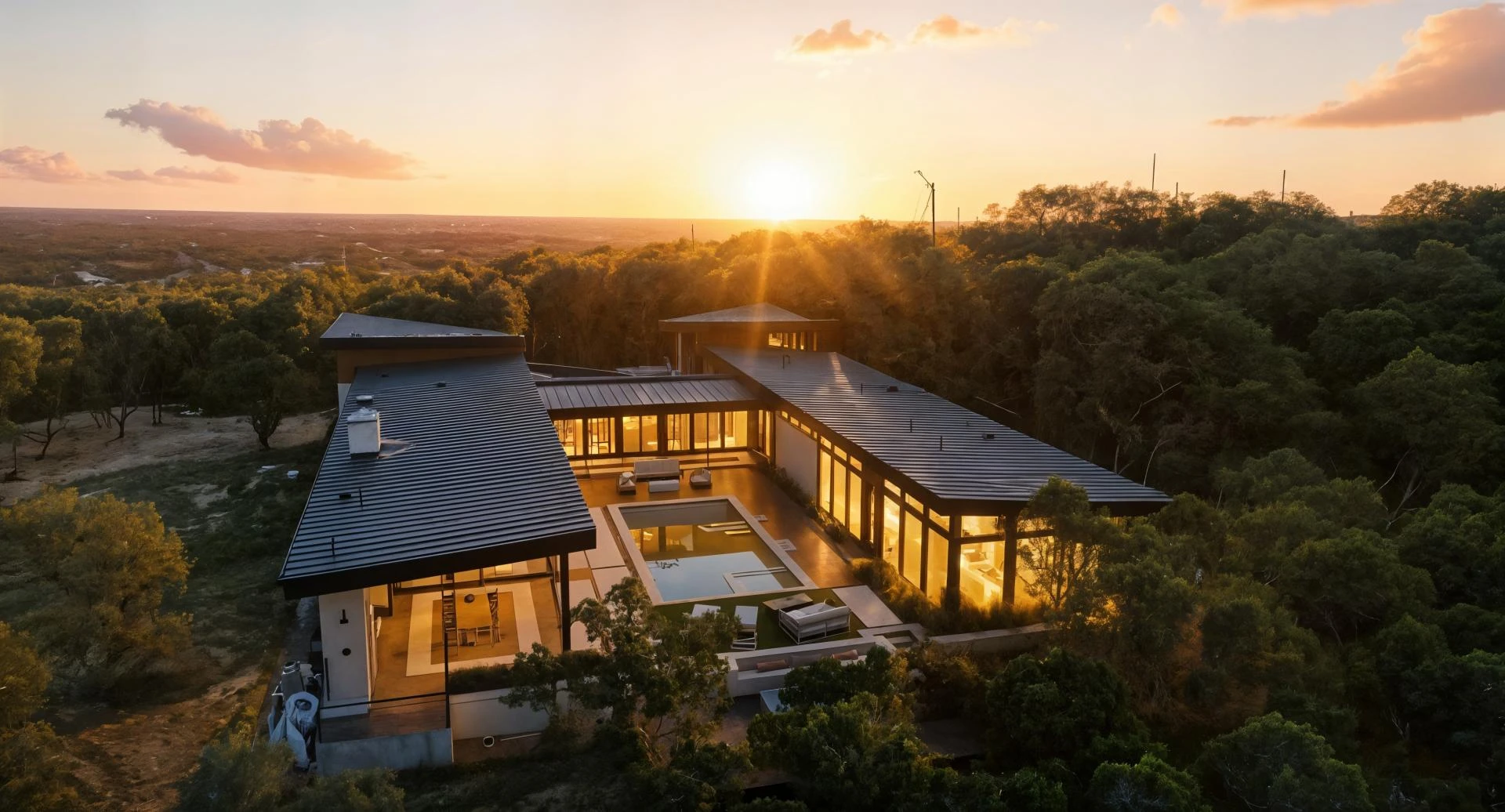

In real estate photography, two editing techniques dominate the conversation: HDR (High Dynamic Range) and Flambient. Both bring out the best in property images, helping interiors look brighter, exteriors sharper, and listings more appealing to buyers. But the magic doesn’t stop with the shoot. The real difference comes during editing, where a real estate photo editor can transform raw captures into polished, market-ready visuals.
HDR vs. Flambient: A Quick Refresher
Before diving into the editing side, let’s clarify the two approaches:
- HDR (High Dynamic Range) blends multiple exposures to balance bright windows with shadowy corners, producing natural-looking interiors with even lighting.
- Flambient combines flash and ambient light exposures, giving photographers more control over color accuracy and details while minimizing unwanted lighting issues.
Both methods create excellent starting points. Yet, raw HDR or flambient files don’t always wow buyers on their own. That’s where professional editing comes in.
Why Post-Processing Matters
No matter how skilled a photographer is, real estate shoots come with challenges: blown-out windows, uneven lighting, lens distortion, or distracting objects in the frame. A strong photo editor real estate professionals rely on can correct these issues quickly, turning technically sound photos into eye-catching marketing assets.
When done right, post-processing does more than enhance an image. It influences how buyers perceive a property. Studies show that high-quality real estate photos increase click-through rates, generate more showings, and can even help homes sell faster.
AI Is Transforming Real Estate Photo Editing
Traditionally, editing HDR or flambient shoots meant hours of manual blending, masking, and color correction. Outsourced real estate photo editing services helped, but turnaround times could stretch to 24–48 hours, delays that cost agents momentum on hot listings.
That’s why real estate AI photo editors have become game-changers. Tools like AutoHDR automate the blending and balancing process, producing results in minutes instead of days. For photographers, that means less time stuck in Lightroom or Photoshop and more time shooting, booking clients, or scaling their business.
How a Real Estate Photo Editor Enhances HDR Shoots
HDR shoots give photographers a balanced exposure set, but the editing process often makes or breaks the final look. Here’s how a good real estate photo editor adds value:
- Perfectly balanced exposures: AI tools intelligently blend windows and interiors without halos or overexposed highlights.
- True-to-life colors: Editors ensure walls, floors, and furniture reflect accurate tones, avoiding unnatural saturation.
- Sharpened details: Wood grains, fabric textures, and fine details stand out more clearly.
With an online AI real estate photo editor, these refinements happen automatically, saving hours of tedious blending.
How a Real Estate Photo Editor Enhances Flambient Shoots
Flambient techniques give photographers precision control, but editing the layers is notoriously time-consuming. Editors have to carefully mask flash and ambient exposures, balance shadows, and eliminate color inconsistencies.
Here’s where AI-driven editors excel:
- Faster masking & blending: Instead of manually layering exposures, AI learns the optimal blend.
- Improved color harmony: Flash-lit sections seamlessly merge with natural light for a balanced look.
- Consistency across batches: Whether it’s 10 images or 100, an AI editor applies the same visual style.
This makes flambient editing scalable, even for busy photographers juggling multiple shoots per day.
Scalability for Professionals and Agencies
For freelancers, faster edits mean more billable shoots each week. For agencies, it means consistent results across hundreds of listings. A strong real estate ai photo editor should make scaling easy, handling large batches with the same quality as individual edits.
AutoHDR, for example, is built specifically for real estate workflows. It handles HDR, flambient, and even advanced edits like twilight transformations with minimal manual effort. That kind of automation lets professionals scale their business without scaling their workload.
The Competitive Edge in 2025
Buyers are scrolling listings on Instagram, TikTok, and mobile apps where visual impact is instant. Sub-par images won’t stop thumbs. Professional editing, especially AI-powered editing, ensures every listing photo pops, no matter the platform.
Photographers and agencies using real estate AI photo editing tools like AutoHDR gain:
- Faster delivery times
- More consistent branding
- Lower editing costs
- Higher client satisfaction
In an industry where first impressions are everything, that’s a serious competitive advantage.
Final Thoughts
Whether shooting HDR or flambient, photographers know that capturing great exposures is only half the job. The other half is turning those captures into polished, market-ready images, and that’s where a reliable real estate photo editor makes all the difference.
In 2025, the combination of HDR, flambient, and AI-driven editing represents the gold standard for real estate photography. And with tools like AutoHDR, professionals no longer have to choose between speed, quality, and scalability; they can have all three.

























Sign in to leave a comment.