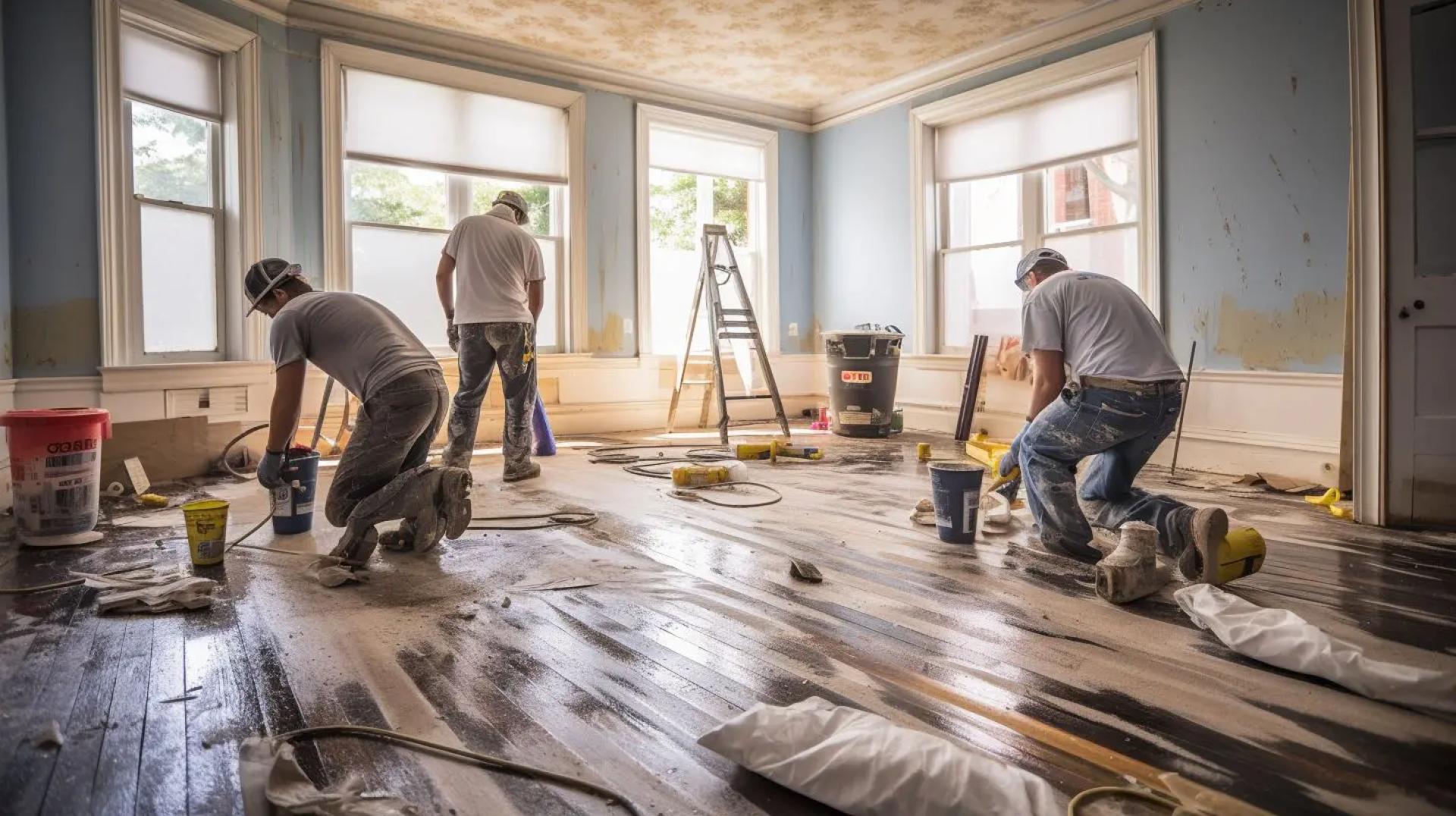
A professional restoration contractor prepares for property challenges by maintaining a state of perpetual readiness that combines ongoing technical certification with strict equipment logistics. Unlike general contractors who schedule work weeks in advance, restoration teams structure their operations to respond immediately to unpredictable events like floods, fires, and storms. This preparation ensures that when a call comes in, the team arrives with the right tools, the correct safety gear, and a pre-planned strategy to mitigate damage before it spreads.
Effective preparation in this industry is not about guessing what might happen; it is about having a standardized protocol for every possible scenario. From maintaining a fleet of fully stocked vehicles to keeping industrial-grade dehumidifiers serviced and tested, these professionals operate with the precision of emergency responders. This level of readiness allows them to stabilize a property within hours of an incident, significantly reducing the long-term repair costs for the homeowner.
The Science of "Ready-to-Roll" Logistics
The core of a restoration company's preparedness lies in their fleet management. A restoration truck is not just a means of transportation; it is a mobile warehouse designed to handle the first 24 hours of any crisis. Technicians organize these vehicles using a "zone system," ensuring that extraction equipment, containment barriers, and safety gear are accessible in specific orders.
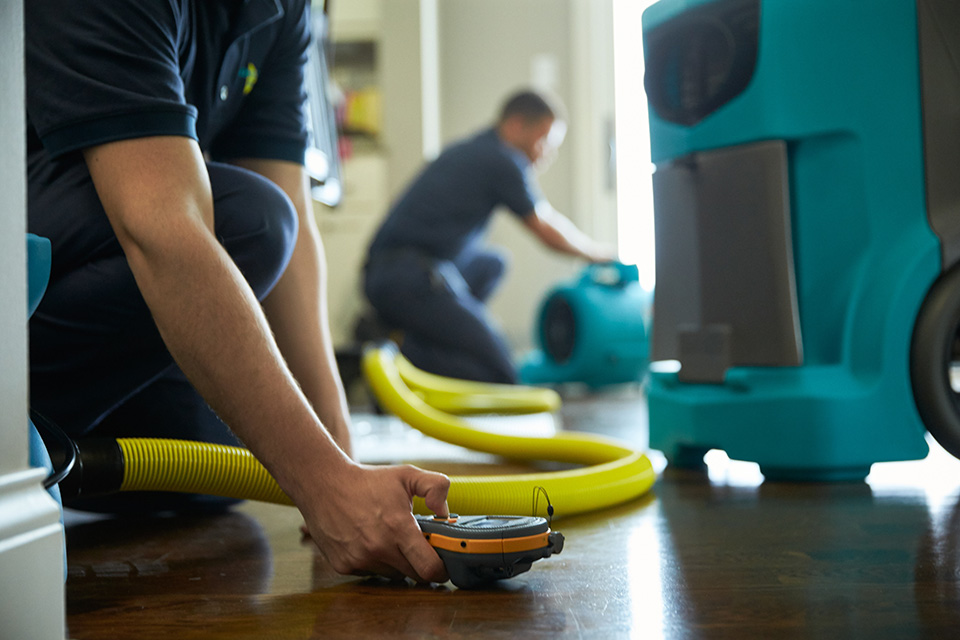
Every morning, crews inspect their vehicles to verify inventory levels. They check that gas-powered pumps have fuel, moisture meters have fresh batteries, and consumable supplies like trash bags and antimicrobial agents are fully stocked. This daily ritual prevents delays at the job site. When water is actively destroying flooring, a technician cannot afford to drive to a hardware store for supplies.
Market Data:
- Properties that receive professional mitigation within the first 4 hours of a water loss incident see an average reduction in total restoration costs of 30%.
- Delaying response by just 12 hours can increase the likelihood of mold growth by over 50%, changing a simple drying job into a complex remediation project.
Advanced Training and Certification
Preparation extends beyond physical tools to the knowledge base of the technicians. Professional restoration firms invest heavily in certification from organizations like the Institute of Inspection, Cleaning and Restoration Certification (IICRC). This training ensures that the team understands the physics of psychrometry the science of drying and the chemistry of smoke removal.
Technicians undergo regular simulation drills to practice handling complex scenarios, such as sewage backups or chemical spills. This classroom and field preparation means that when they walk into a damaged home, they are not figuring out the solution on the fly. They are executing a learned, practiced protocol.
Bonus Tip: Ask a restoration contractor about their most recent continuing education course. The industry changes rapidly, and updated training often leads to faster, less invasive drying methods.
Equipment Maintenance and Safety
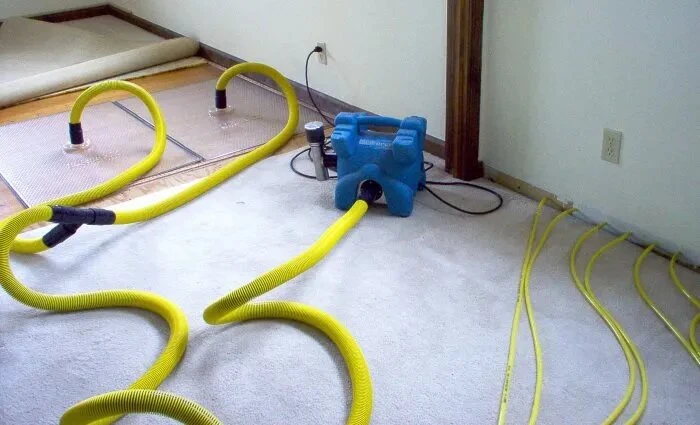
One overlooked aspect of preparation is the sanitation of the equipment itself. Restoration tools move from house to house, and without rigorous cleaning protocols, they could transport contaminants. A prepared contractor cleans and disinfects air scrubbers, dehumidifiers, and fans after every single job.
This maintenance routine protects the next client. For example, if a HEPA air scrubber was used on a mold remediation job, the filters must be changed and the unit sanitized before it enters a home with clean water damage. This strict hygiene protocol is a hallmark of a professional operation versus a general handyman service.
Comparison of Contractor Readiness
| Feature | Professional Restoration Contractor | General Contractor/Handyman |
|---|---|---|
| Availability | 24/7 with rotating on-call crews | Business hours, often booked weeks out |
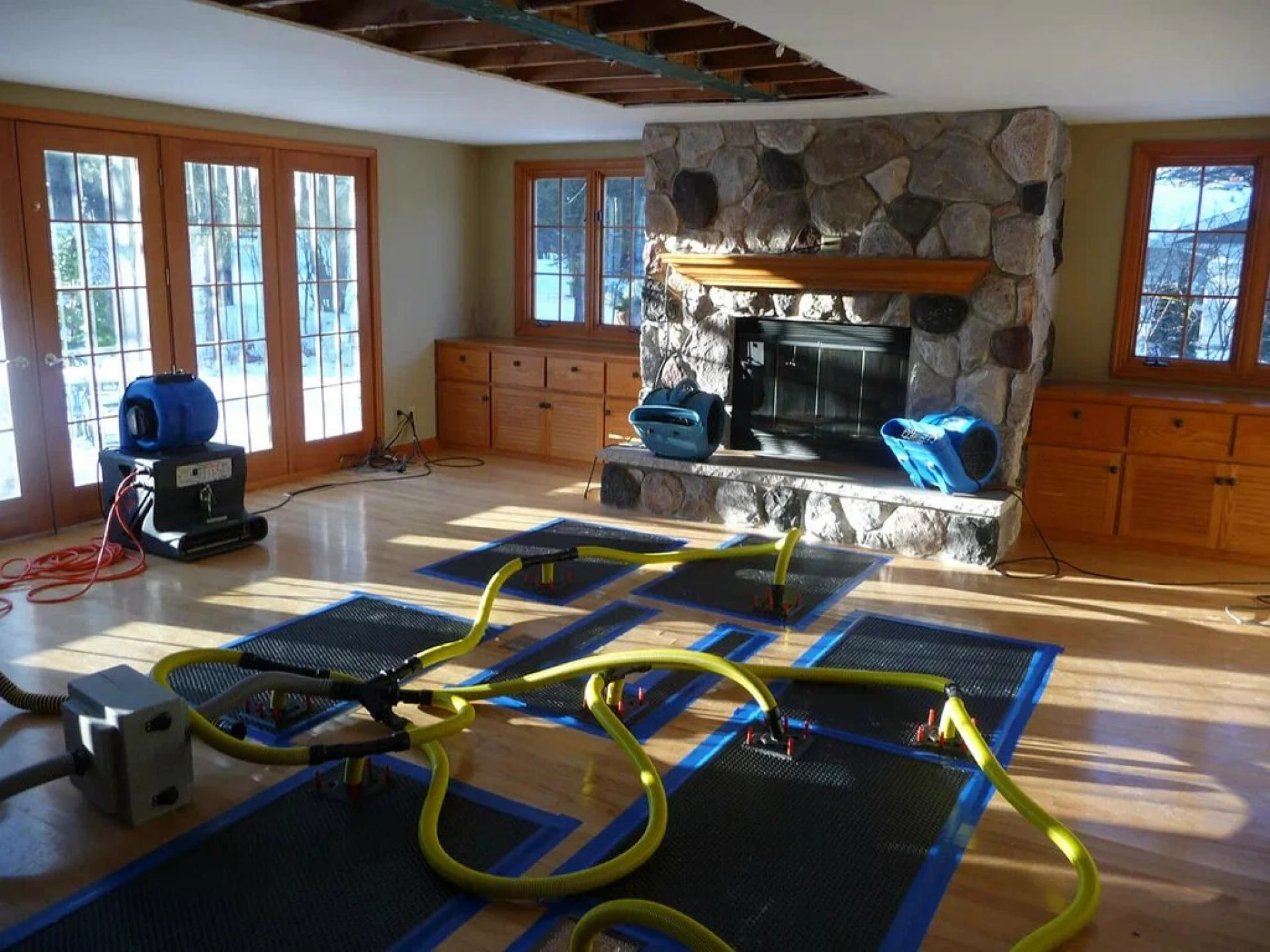
| Equipment Inventory | Industrial fleet of drying/cleaning units | Basic shop vacs and fans |
| Training Focus | Emergency mitigation and science of drying | Construction and remodeling |
| Documentation | Insurance-compliant software (Xactimate) | Simple quotes or invoices |
| Contaminant Safety | PPE and containment protocols | minimal safety gear |
Supply Chain Management
Disasters often strike entire communities at once, such as during a regional storm. A prepared restoration company maintains a deep supply chain and holds a surplus of "consumables." These are items used up during a job, such as heavy-duty plastic sheeting, adhesive tape, personal protective suits, and botanical disinfectants.
By warehousing these materials, the contractor ensures they do not run out when local stores sell out during a crisis. This strategic stockpiling allows them to service multiple homeowners simultaneously without compromising the quality of the work or the safety of their crews.
Managing Regional Challenges in the Pacific Northwest
Geography dictates specific preparation strategies. In the Pacific Northwest, restoration teams face unique challenges related to high ambient humidity and frequent rainfall. Contractors in this region prepare by using dehumidifiers capable of operating in lower temperatures, known as LGR (Low Grain Refrigerant) units. Standard equipment often freezes up or fails to pull moisture effectively in cool, damp garages or crawlspaces common in Washington and Oregon.
Traffic and terrain also play a role. Teams must prepare for navigating muddy rural driveways or congested city corridors. Their vehicles are often equipped with all-weather tires and GPS systems that track traffic patterns to ensure the fastest possible arrival time.
Technology and Documentation Readiness
Modern restoration relies on data as much as physical labor. Companies prepare for the administrative side of a claim by maintaining cloud-based documentation systems. Before a technician leaves the shop, they have access to digital forms for sketching rooms, logging moisture readings, and capturing liability waivers.
This digital readiness speeds up the insurance claim process. Instead of handwriting notes that need to be transcribed later, the data is uploaded in real-time. This allows the office staff to start building the insurance file while the field team is still pumping out water.
Things to Consider Before Making a Decision
When a homeowner faces a property emergency, the pressure to hire the first available number is high. However, evaluating a company's preparedness can save time and money.
- Ask About Equipment Ownership: Companies that own their equipment rather than renting it are generally more prepared for immediate deployment.
- Verify Licensing and Insurance: A prepared contractor carries liability insurance and pollution coverage, protecting the homeowner from accidents during the job.
- Check for Live Dispatch: Call the number and see if a real person answers or if it goes to a generic voicemail. A prepared company has a dispatch protocol for after-hours emergencies.
Questions People Ask About Restoration Services
Why is 24/7 availability necessary for restoration?
Water and fire damage continue to degrade a property every hour they are left untreated. 24/7 availability ensures that mitigation begins immediately, stopping the spread of water into subfloors or preventing smoke residue from permanently etching glass and metal surfaces.
Do restoration contractors work with all insurance companies?
Yes, most professional restoration contractors work with all major insurance carriers. They use industry-standard pricing software called Xactimate, which aligns their estimates with the rates insurance adjusters use, streamlining the approval process.
What kind of training do technicians receive?
Technicians typically hold certifications from the IICRC. Common certifications include Water Damage Restoration Technician (WRT), Fire and Smoke Restoration Technician (FSRT), and Applied Microbial Remediation Technician (AMRT).
How do contractors handle mold during a water damage job?
If mold is discovered or suspected, the team shifts to a containment protocol. They set up plastic barriers and use negative air machines to prevent spores from spreading to clean areas of the house while they address the moisture source.
Can a restoration company handle the rebuilding process too?
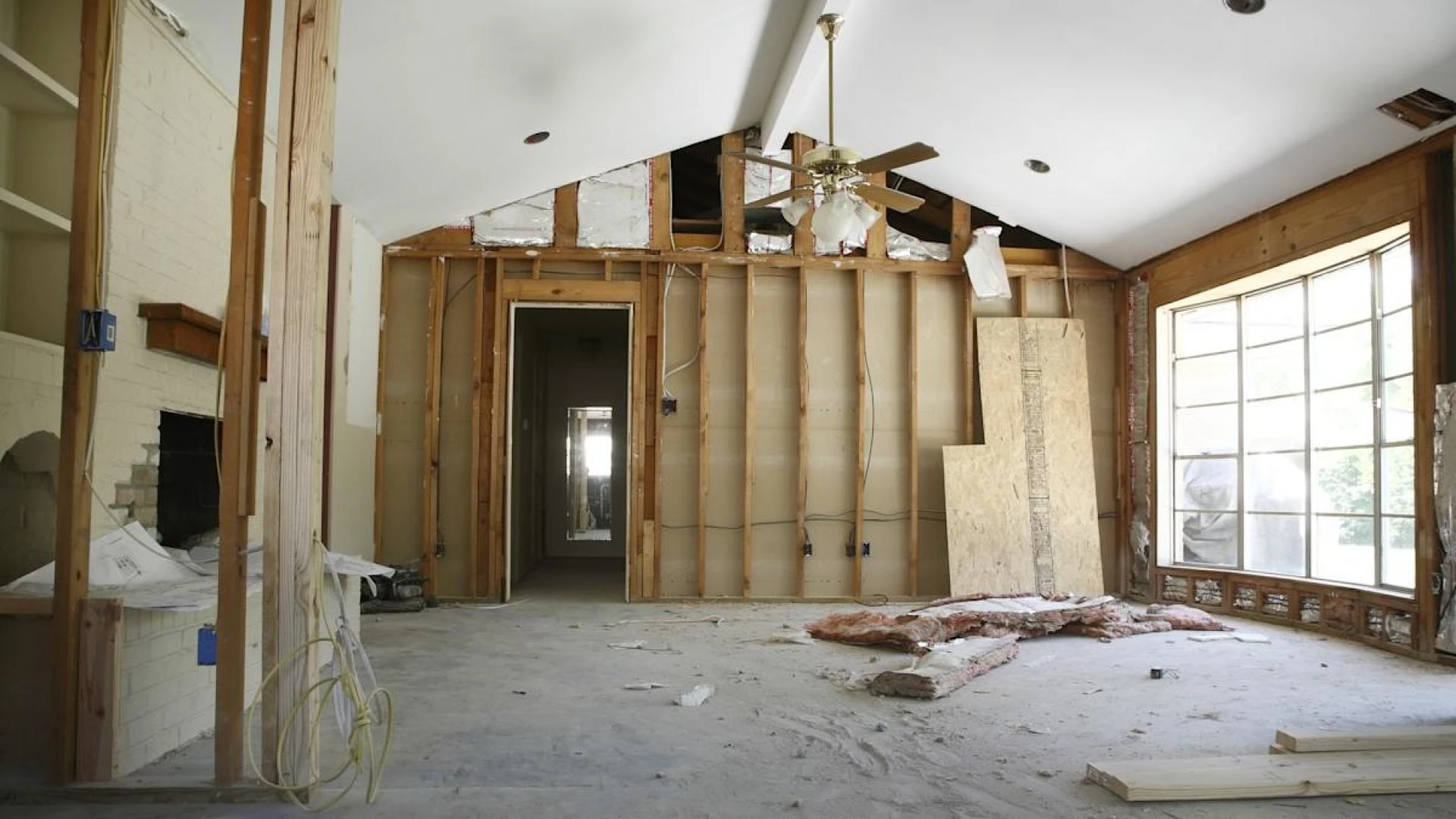
Many restoration companies offer full-service solutions. After the mitigation (cleanup and drying) is complete, they have a reconstruction division that repairs drywall, installs flooring, and paints, returning the home to its pre-loss condition.
Bonus Tip: Keep a digital copy of your insurance policy on your phone. Restoration contractors can help you understand your coverage limits better if they can see the declarations page immediately upon arrival.
Summary
The difference between a minor repair and a major structural loss often comes down to the preparedness of the restoration team. Through rigorous equipment maintenance, continuous education, and strategic logistics, these professionals ensure they are ready for any challenge the moment the phone rings. They function as a rapid-response unit, designed to stabilize chaos and protect property value through scientific precision and organizational discipline.
Taking the Next Step
When disaster strikes, having a prepared team on your side makes all the difference. Prestige NW Restoration maintains a fleet of fully stocked vehicles and a team of certified experts ready to respond to emergencies across the region. Their commitment to rapid response and professional standards ensures that homes are protected from secondary damage. For immediate assistance or to learn more about their services, homeowners can contact [email protected].
Author: Established on April 2, 2012, Prestige NW is led by owner Kelly Kerns, who brings extensive experience in restoration, construction, and customer service. Kelly supports both field operations and marketing, writing clear, practical content for homeowners while overseeing marketing strategy, partner communication, and brand direction. She combines industry expertise with focused messaging and reliable service.
Reviewer: Matthew Moore brings over 15 years of experience in residential renovation marketing. The review provided helped shape this content to better connect with homeowners seeking reliable, high-quality restoration and home improvement services.























Sign in to leave a comment.