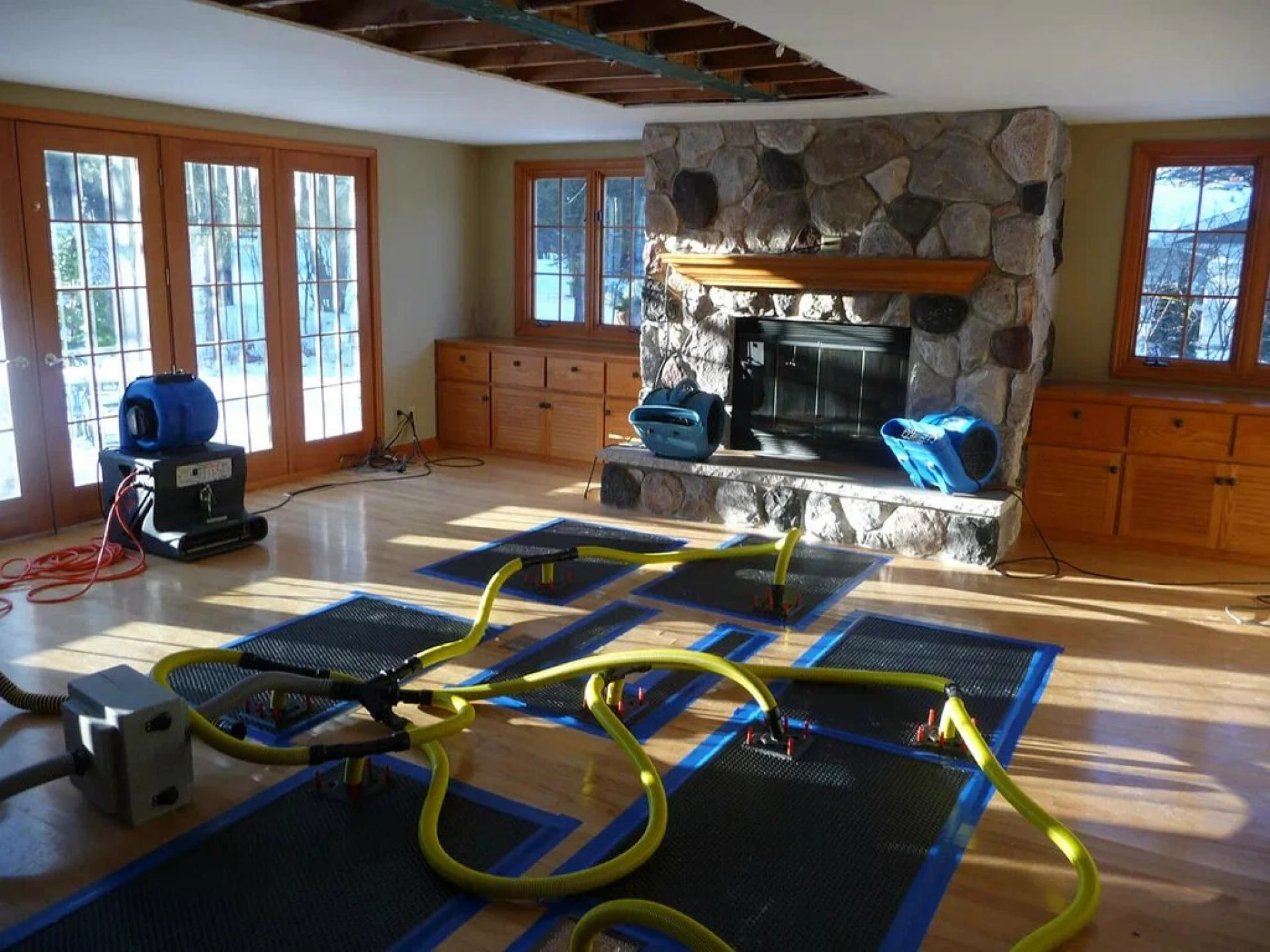

Achieving a flawless finish during restoration begins with thorough preparation and careful execution. Professionals recommend inspecting the surface for damage, cleaning it completely, and addressing structural issues before any finishing work. Selecting the right materials and applying them with precision ensures a smooth, lasting result. Proper drying times and environmental control are also critical for avoiding imperfections such as bubbles, cracks, or uneven textures.
Homeowners and contractors can consistently achieve high-quality restoration results by following a structured process that emphasizes attention to detail at every stage. This article provides actionable guidance, industry insights, and practical tips for achieving a flawless restoration finish.
Understand the Surface Before Starting
Restoration success begins with understanding the surface you are working on. Different materials require distinct approaches:
- Wood: Sanding, filling gaps, and applying the correct sealants are essential. Wood expands and contracts with humidity, so climate-specific care is critical.
- Drywall: Cracks and holes must be patched and sanded smooth. Primer ensures even paint absorption.
- Concrete: Clean thoroughly to remove oils or debris. Use appropriate bonding agents for coatings.
Assessing the surface helps prevent common finish issues such as peeling or uneven texture.
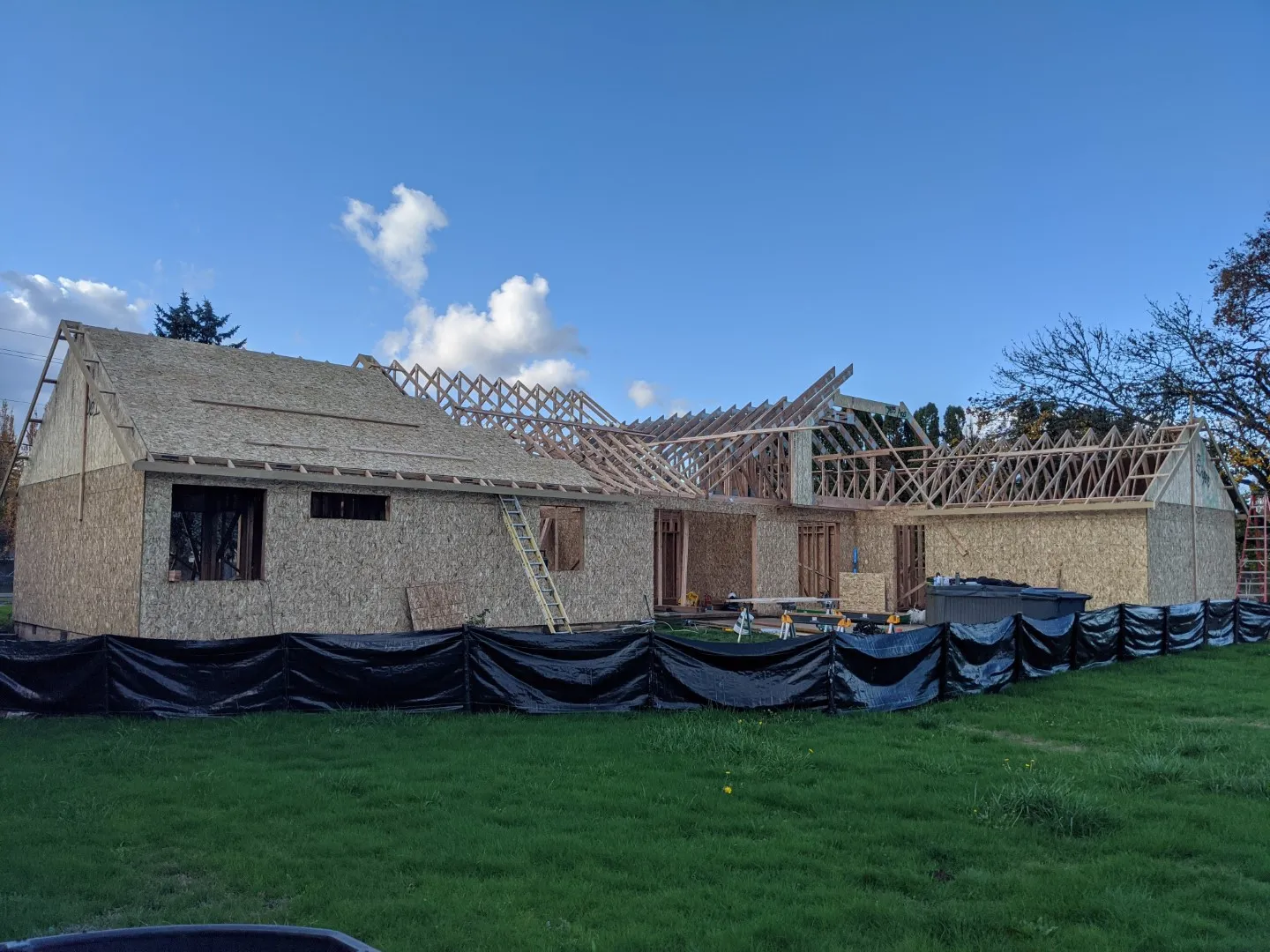
Identify Hidden Damage
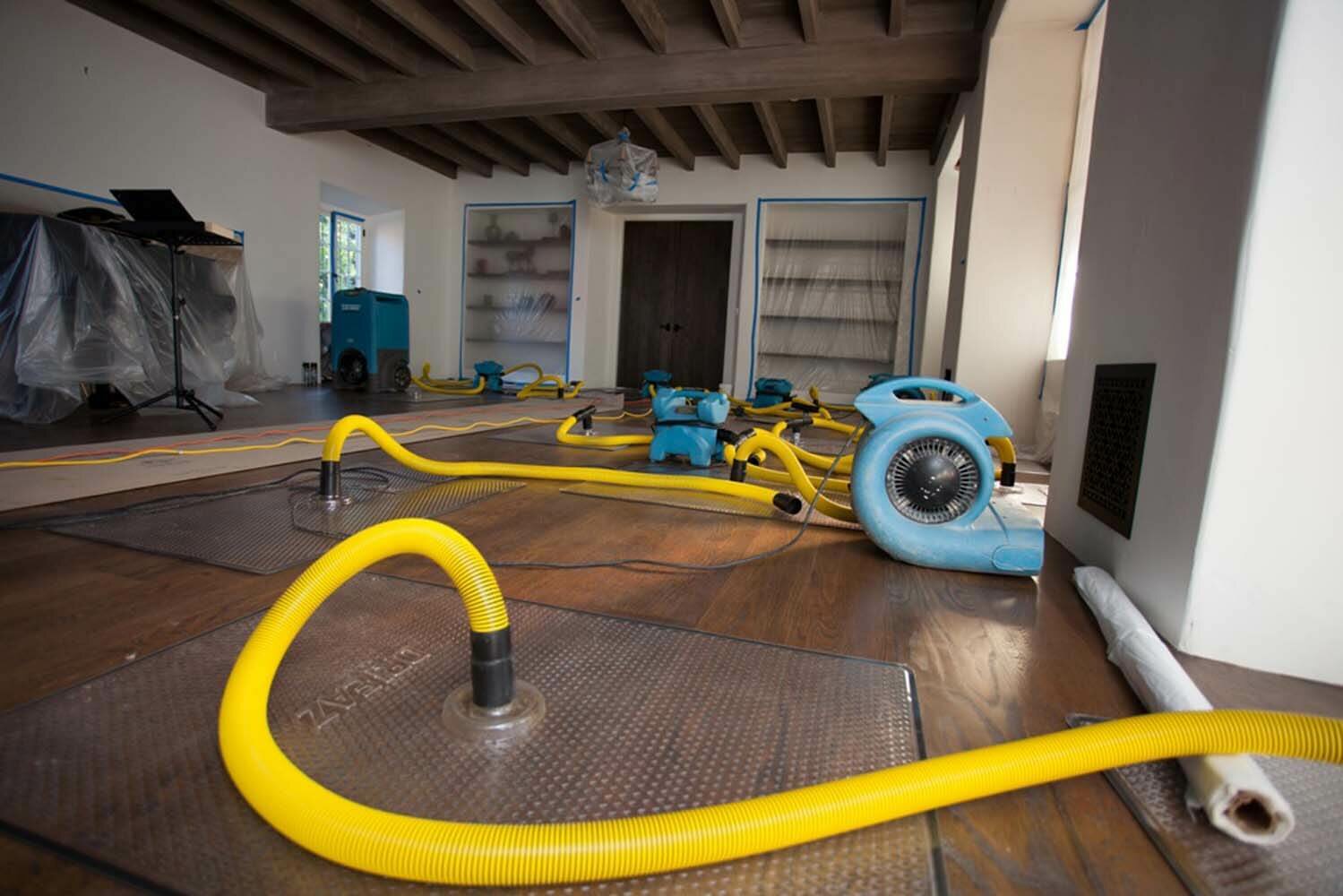
Hidden issues like water damage, mold, or rot can compromise a finish. A detailed inspection using moisture meters, visual checks, and structural assessment is necessary. Fixing these problems before applying finishes prevents costly rework.
Choose the Right Materials
Selecting materials that match the project’s needs ensures a long-lasting finish. Consider durability, flexibility, and aesthetic requirements. Here is a simple comparison table for common restoration surfaces:
| Surface Type | Recommended Finish | Drying Time | Maintenance Needs |
|---|---|---|---|
| Wood | Polyurethane or lacquer | 4-6 hours per coat | Recoat every 3-5 years |
| Drywall | Acrylic paint or primer-sealer | 2-4 hours | Touch-up as needed |
| Concrete | Epoxy or acrylic coatings | 6-12 hours | Clean with neutral pH cleaner |
Bonus Tips
- Test finishes on a small area before committing to full coverage.
- Use high-quality brushes or sprayers to reduce streaks and brush marks.
Prepare the Environment
Environmental factors strongly affect restoration outcomes. Temperature, humidity, and dust levels can alter drying times and surface adhesion. Ideal conditions vary by material:
- Wood: 60–75°F with 40–60% humidity
- Drywall: 55–75°F with low humidity
- Concrete: 65–80°F with minimal moisture
Control the workspace to prevent dust, drafts, and temperature fluctuations. Proper ventilation helps finish the cure evenly.
Apply Finishes Correctly
Technique is as important as materials. Follow these steps:
- Priming: Apply a primer suitable for the surface to ensure adhesion.
- Layering: Apply multiple thin coats instead of one thick coat to avoid runs and bubbles.
- Sanding: Lightly sand between coats for smoothness.
- Curing: Allow sufficient drying time between layers; rushing can lead to imperfections.
Bonus Tips
- Maintain consistent brush or roller strokes in one direction.
- Rotate equipment or brushes frequently to avoid uneven texture.
Things to Consider Before Making a Decision
Before starting restoration work, consider:
- Surface Type: Match methods and materials to the substrate.
- Climate: Local weather patterns influence material choice and curing times.
- Budget: Higher-quality materials may reduce long-term maintenance costs.
- Skill Level: Complex surfaces may require professional intervention.
- Project Timeline: Allow adequate time for preparation, multiple coatings, and drying.
Common Restoration Mistakes to Avoid
- Skipping surface cleaning or repair
- Applying too thick a layer of finish
- Ignoring environmental conditions
- Using low-quality tools or materials
- Rushing curing and drying times
Preventing these mistakes enhances the durability and appearance of the finished surface.
Questions People Ask About Restoration
What is the first step in achieving a flawless restoration finish
Inspect the surface, clean it thoroughly, and repair any structural or cosmetic damage before applying finishes.
How many coats of finish should be applied
Apply multiple thin coats rather than a single thick layer. Typically, 2–3 coats are sufficient depending on material and finish type.
Can I restore surfaces in high humidity areas
Yes, but adjust drying times and select finishes that tolerate moisture. For wood, controlling indoor humidity is crucial.
Do I need professional tools for a smooth finish
High-quality brushes, rollers, or sprayers significantly improve results. Professionals may use specialized equipment for larger or more intricate projects.
How long does a restoration finish last
Durability depends on surface type, material, and maintenance. Wood finishes may last 3–5 years, while epoxy-coated concrete can last over 10 years with proper care.
Maintain a Flawless Finish
Maintenance extends the life of restored surfaces. Clean regularly with suitable products, inspect for minor damage, and recoat as needed. Timely attention prevents small issues from becoming major repairs.
Conclusion
Achieving a flawless finish in restoration requires careful preparation, material selection, and precise application. Professionals emphasize understanding the surface, controlling environmental conditions, and following a structured layering process. Homeowners should evaluate the type of surface, local climate, and maintenance needs before starting a project.
Contact a Reliable Restoration Expert
For homeowners seeking expert guidance or professional restoration services, contacting Prestige NW Restoration can provide practical solutions. Their team offers detailed advice, surface assessments, and precise finishing techniques. Reach them via email at [email protected] or call (360) 334-3624 to discuss your project and get reliable support.
Author: Established on April 2, 2012, Prestige NW is led by owner Kelly Kerns, who brings extensive experience in restoration, construction, and customer service. Kelly supports both field operations and marketing, writing clear, practical content for homeowners while overseeing marketing strategy, partner communication, and brand direction.
Reviewer: Matthew Moore brings over 15 years of experience in residential renovation marketing. The review provided helped shape this content to better connect with homeowners seeking reliable, high-quality restoration and home improvement services.
























Sign in to leave a comment.