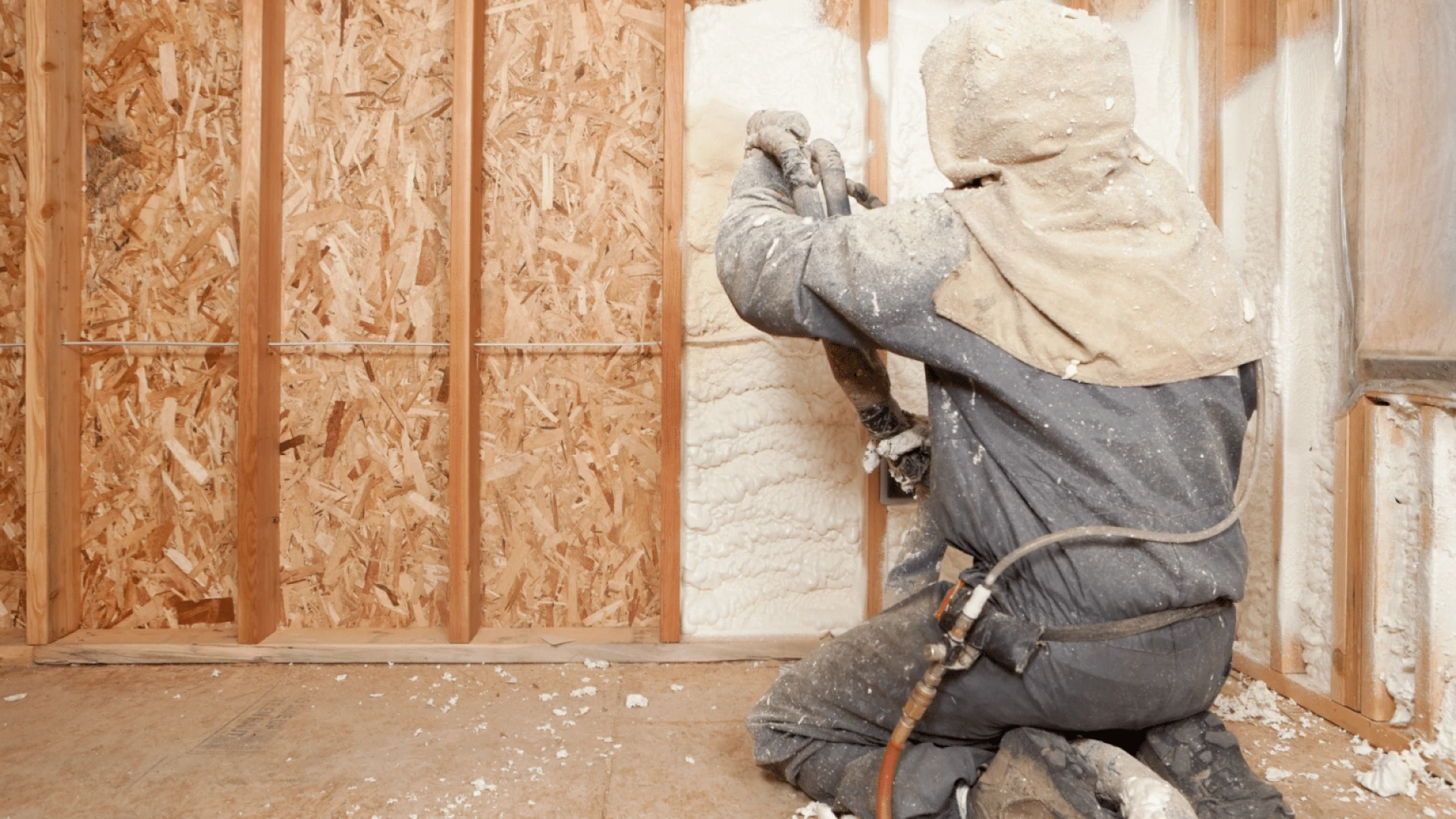

A Spray foam insulation contractor can find weak areas by tracking where air, heat, and moisture escape from a building. These problem zones drive energy loss, comfort issues, and long-term damage. Finding them early improves performance and lowers operating costs.
Quick answers that matter most
- They locate air leaks that raise heating and cooling demand
- They identify moisture paths that cause mold and decay
- They measure insulation gaps that reduce real-world R-value
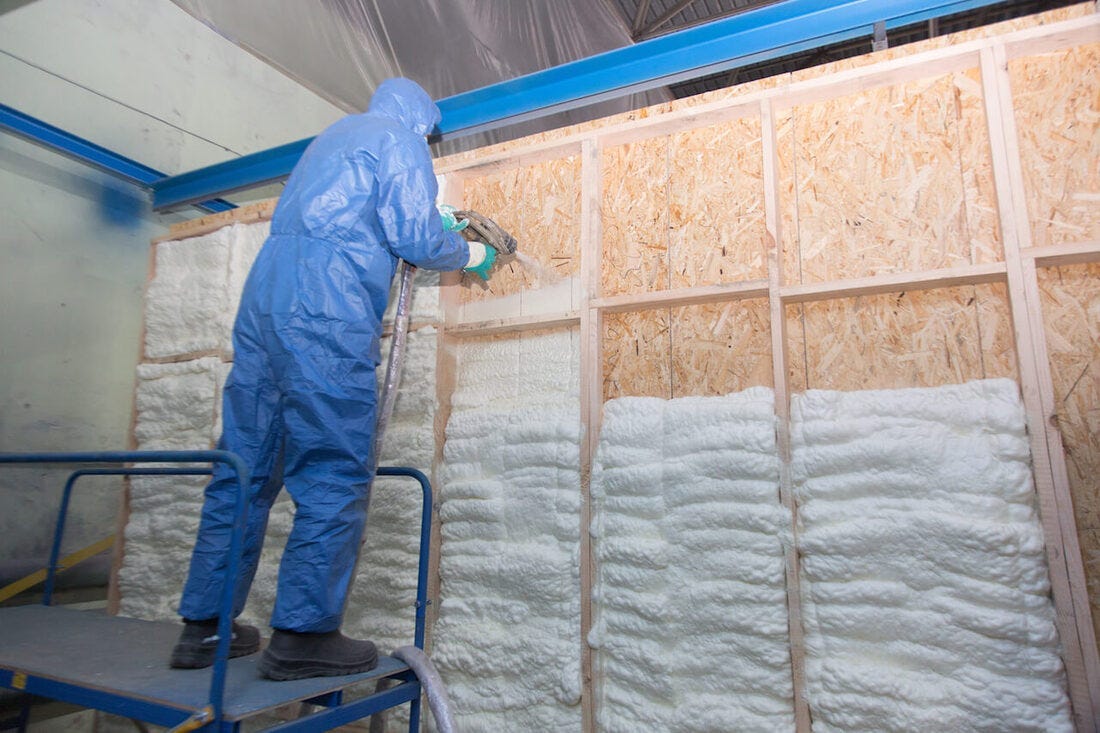
Air Leaks = Energy Loss
Weak areas exist because buildings move air in ways people cannot see. A Contractor focuses on cause and effect, not guesswork. Air leakage pulls conditioned air out and forces HVAC systems to work longer.
These leaks usually form at:
- Rim joists where floors meet walls
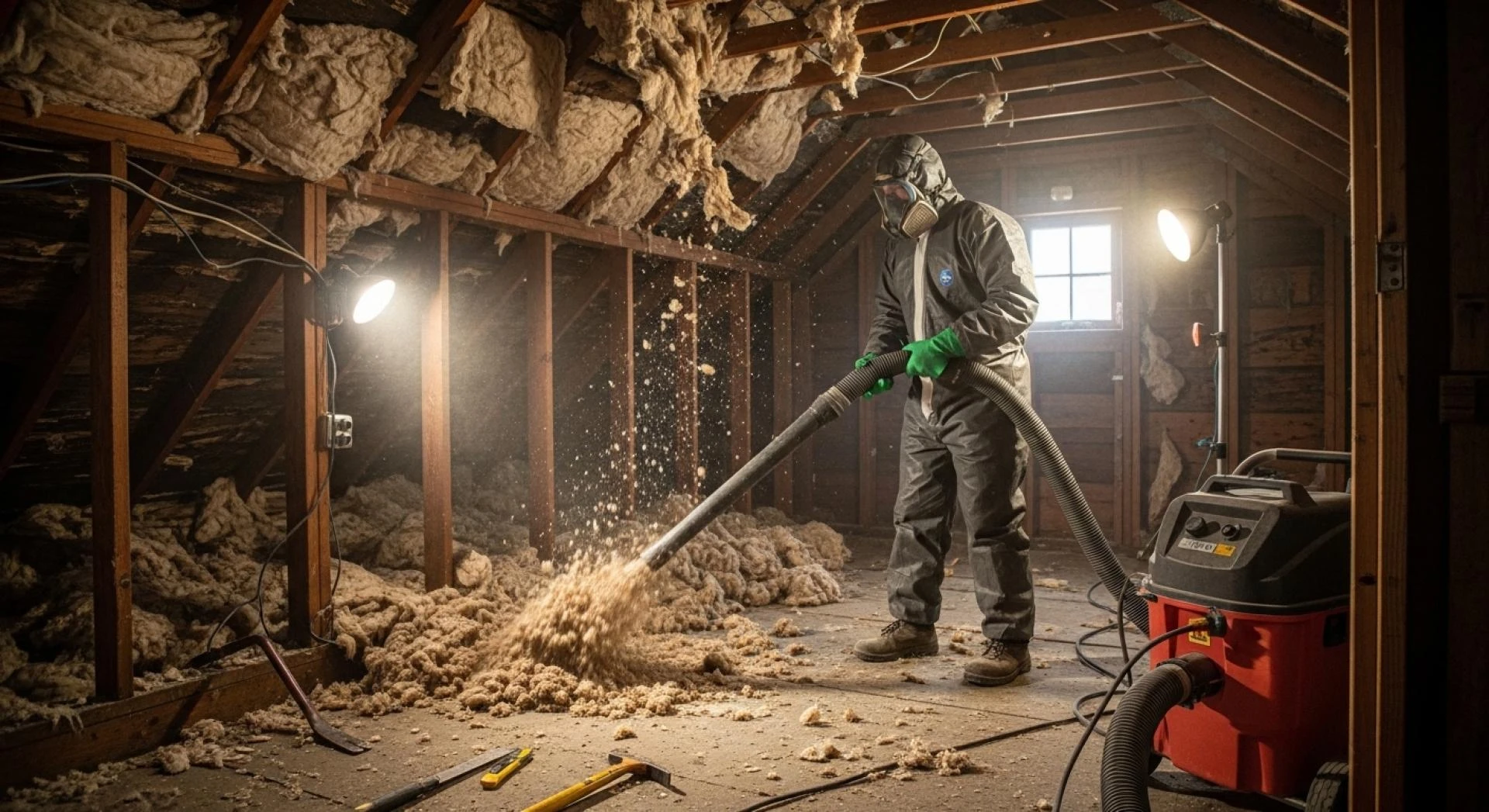
- Attic penetrations around wiring and vents
- Crawl space seams and unsealed framing joints
According to guidance from the U.S. Department of Energy, uncontrolled air leakage can account for up to 30 percent of a home’s heating and cooling loss, which is why professionals rely on proven home air sealing methods instead of surface fixes.
Visual Inspection Comes First
A Contractor starts with trained eyes. They look for dust trails, staining, and uneven temperatures. These signs show where air is moving. Experience matters because many leaks hide behind finished surfaces.
Building Pressure Tells the Truth
Pressure testing reveals how air flows through the structure. When pressure changes, weak areas respond fast. This step turns hidden problems into clear targets.
How Do A Contractor Find Hidden Insulation Failures?
A Spray foam contractor relies on diagnostic tools that show what walls and ceilings cannot. These tools reduce guesswork and prevent missed gaps.
Thermal Imaging Shows Temperature Gaps
Infrared cameras display hot and cold zones across surfaces. Dark or bright patches point to missing or compressed insulation. The U.S. Department of Energy explains that thermal imaging inspections help pinpoint insulation failures without tearing into walls.
Blower Door Testing Confirms Air Paths
A blower door changes indoor pressure to expose leaks. Air rushes through weak spots, making them easy to trace. This step confirms where spray foam will deliver the most benefit.
Moisture Readings Expose Risk Areas
Moisture meters detect damp framing. Wet zones signal air leaks carrying humidity. These areas often sit near crawl spaces and roof transitions.
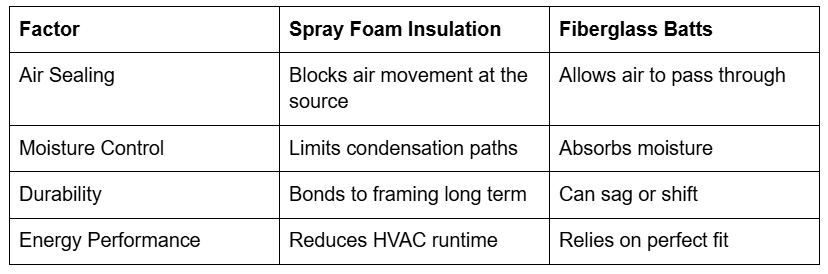
Spray Foam vs Traditional Insulation Comparison
Bonus Tips from the Field
What Experienced Contractor Watches For
- Repeated hot spots near attic hatches
- Cold floors above vented crawl spaces
- Frost lines or condensation in winter
These signs point to structural leaks, not insulation thickness alone.
Case Studies from Energy Retrofits
In documented retrofit projects, homes that sealed attic and crawl space leaks saw measurable reductions in energy use. Data published by the National Renewable Energy Laboratory shows that comprehensive air sealing paired with insulation upgrades can cut whole-house energy demand by 15 to 30 percent, as outlined in their research on residential energy efficiency improvements.
Conclusion on Finding Weak Areas
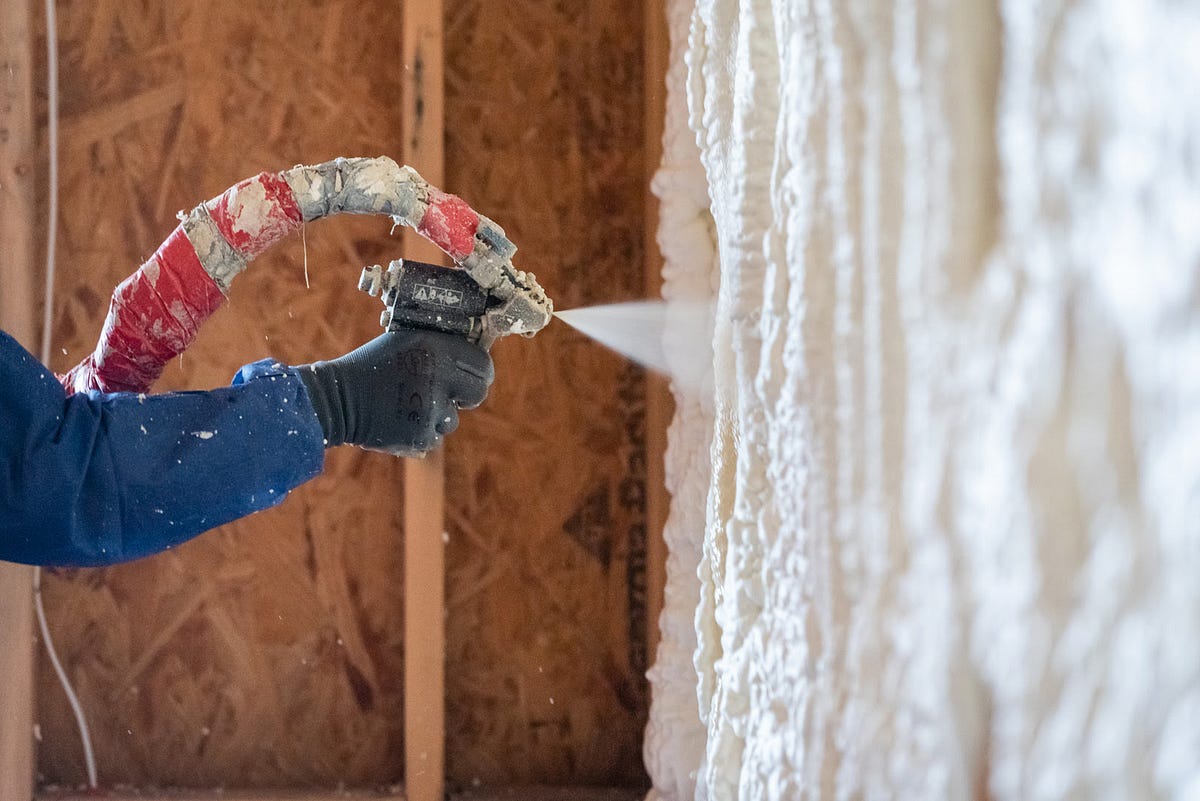
A Spray foam insulation contractor succeeds by understanding how buildings actually fail. Air leakage causes energy loss. Moisture movement causes damage. Insulation gaps reduce comfort.
Finding weak areas first leads to:
- Better environmental performance
- Longer material life
- Lower operating costs
Informed material choices matter because sealing the wrong areas wastes time and money. Performance comes from targeting the real problem zones.
How All Foam & Insulation, LLC Supports Better Results
All Foam & Insulation, LLC supports energy-efficient projects by focusing on diagnostics before installation. Their work centers on finding and fixing weak areas that limit building performance.
For project guidance or assessments, contact them at Phone: (541) 826–9600 Email: [email protected]
FAQs for Spray Foam Professionals
What is the most common weak area in residential buildings?
Rim joists and attic penetrations are the most common because framing changes direction and creates gaps.
Can visual checks replace diagnostic testing?
No. Visual checks help, but pressure and thermal tools confirm what cannot be seen.
Why do crawl spaces cause energy loss?
They allow outside air and moisture to move upward into living areas, raising heating and cooling loads.
Does more insulation fix air leaks?
No. Insulation slows heat flow, but only air sealing stops leakage.
When should weak areas be addressed?
Before adding new insulation. Sealing first ensures the insulation performs as intended.
Reviewer: Lily Johnson offered her feedback after reviewing this post. With 8 years in the spray foam insulation field, her suggestions focused on improving outreach to homeowners seeking high-quality insulation solutions.


























Sign in to leave a comment.