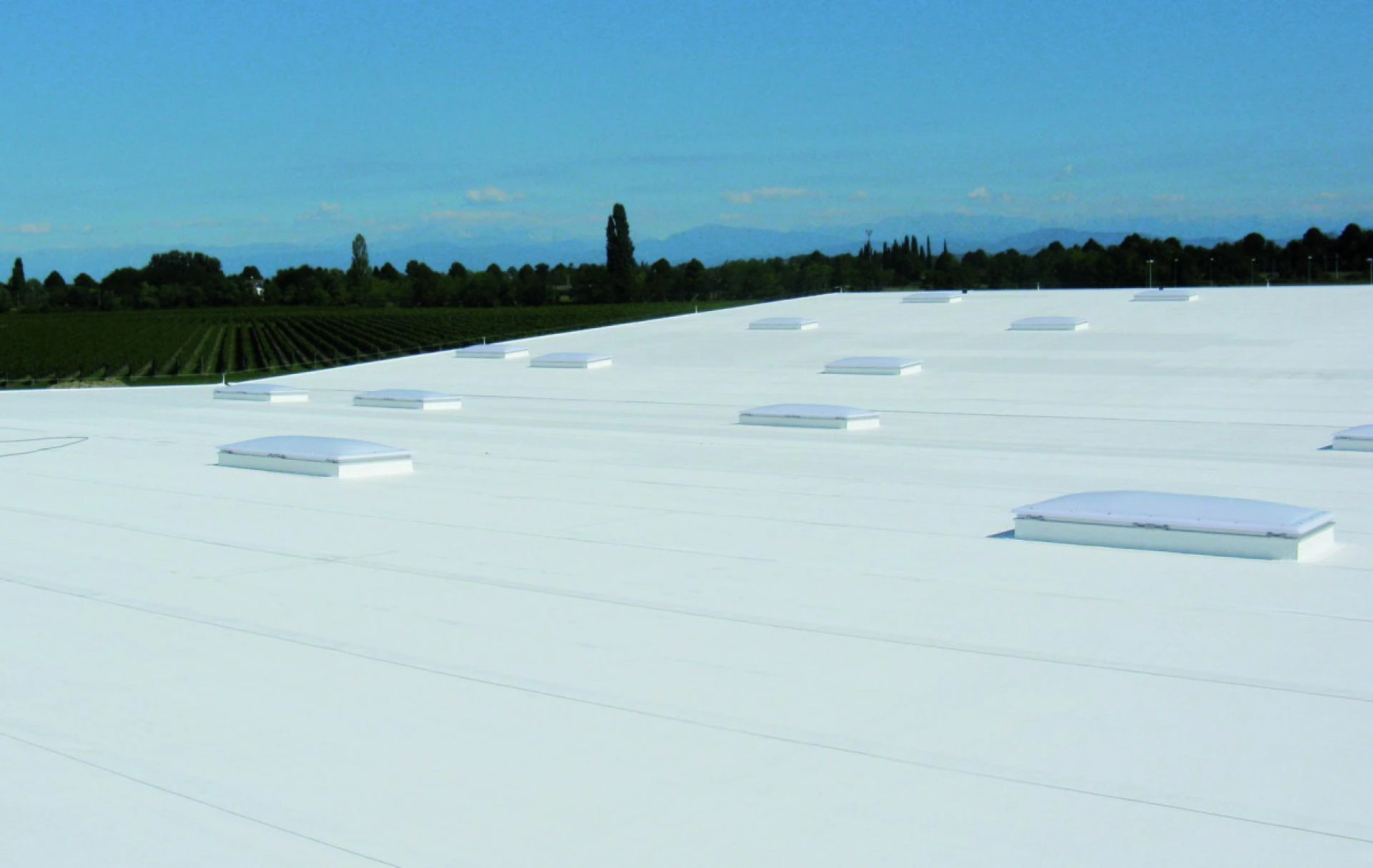
High performance in membrane roofing comes from a combination of proper installation and the material chosen. They find that roofs with thick, well-sealed seams stay dry longer than those with poor edges. This material acts as a skin that protects the building from rain and snow. It is most common on flat or low-slope buildings where water might sit for short periods.
Many factors, such as sun exposure and standing water, affect how long the roof stays in good shape. This article looks at what owners should watch for to keep their roofs leak-free, including considerations related to membrane roofing. Expert teams have spent years studying these systems to provide the best advice for local property owners. They focus on how various conditions change the life of the roof.
Primary Factors That Influence Membrane Roofing Performance
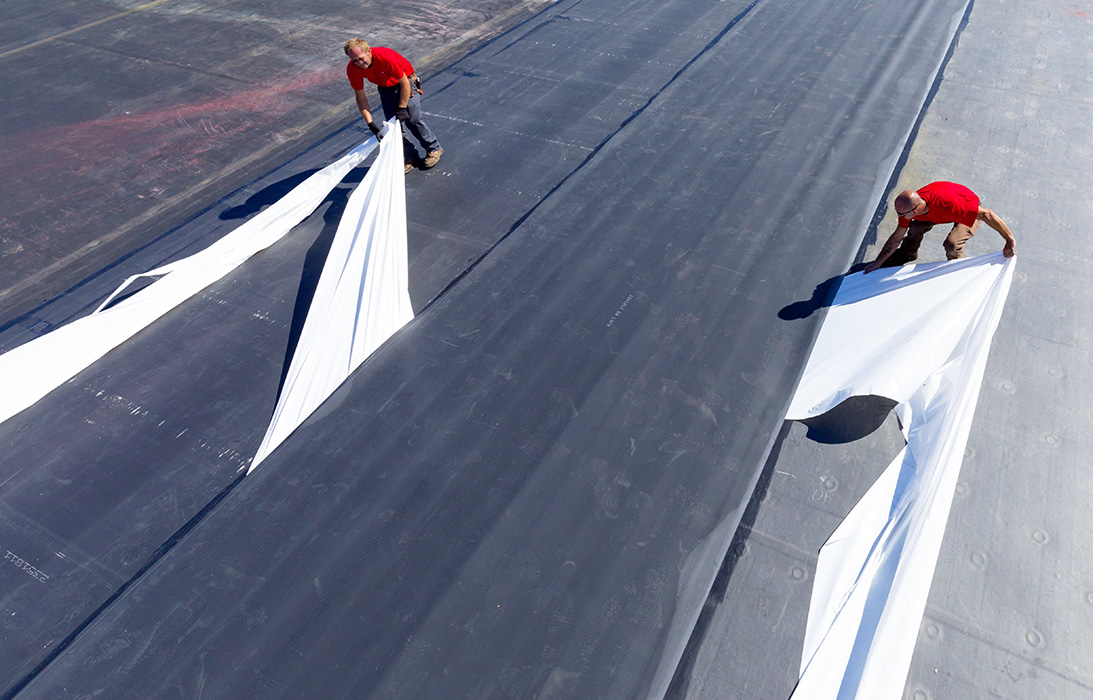
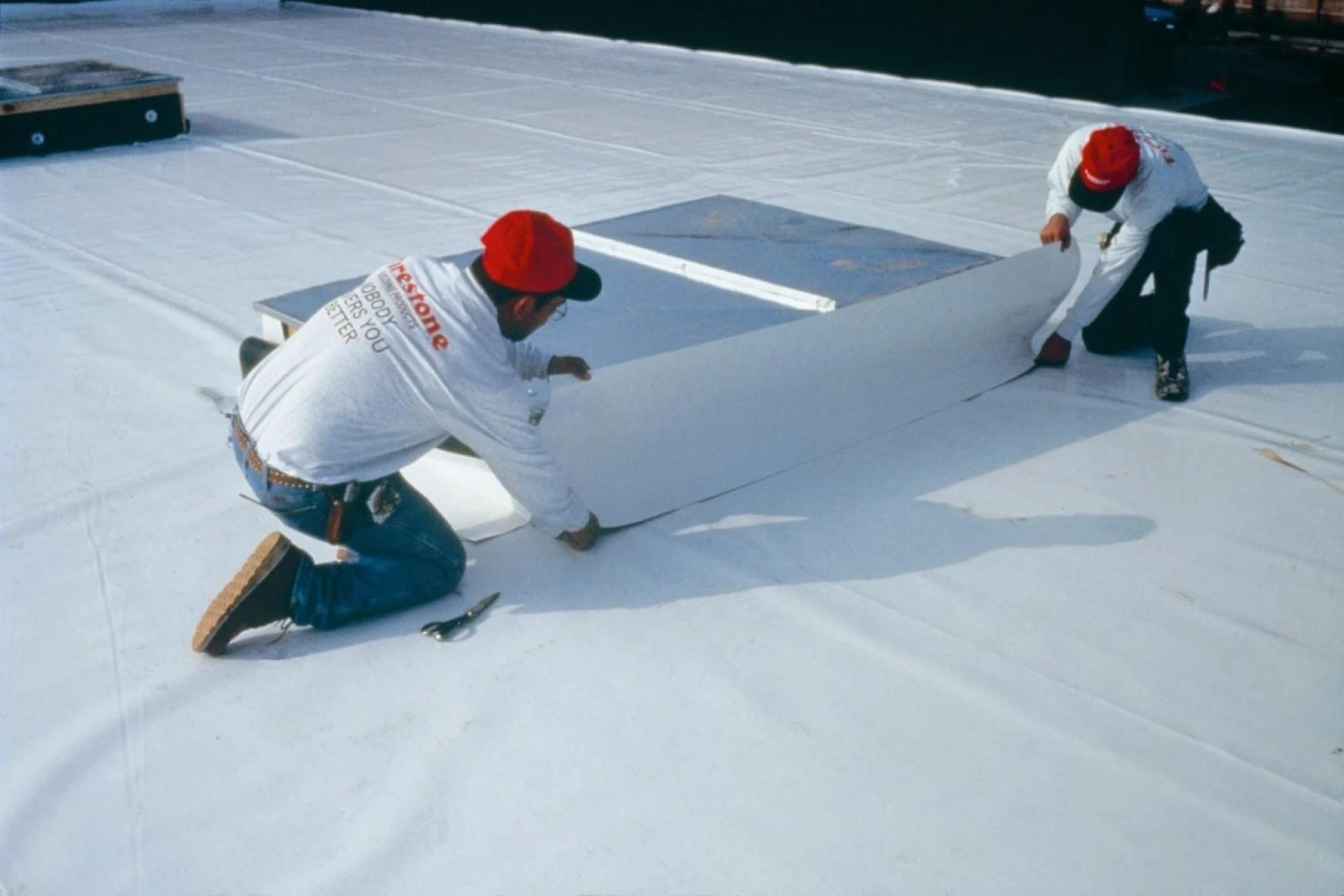
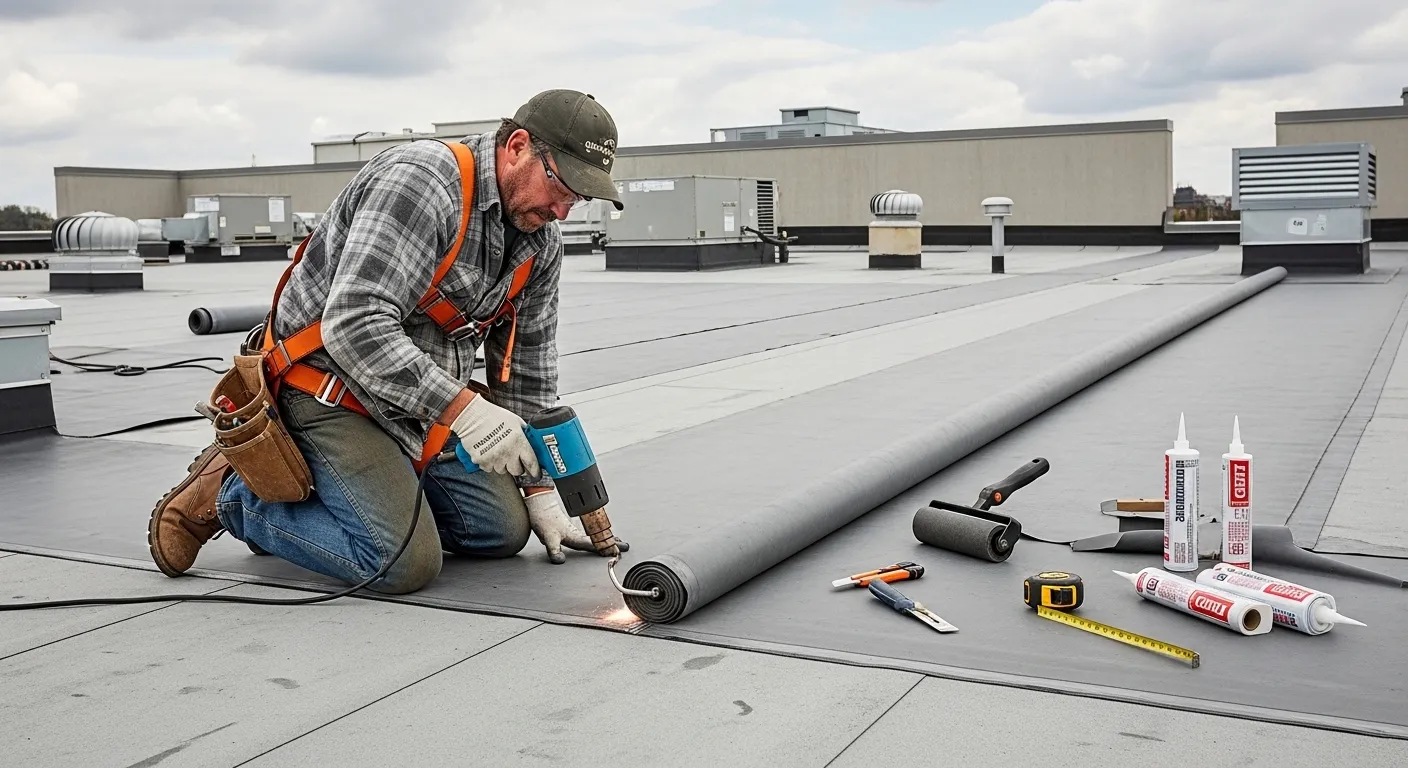
A roof must withstand many different pressures every day. The way a team puts the pieces together is the most important part of the process. If the seams are not perfect, the whole system can fail during the next big storm. Quality workmanship ensures that every edge is bonded tightly to prevent water from slipping underneath.
Using the right tools and enough heat or glue is what makes a membrane stay in place. They check the surface multiple times to ensure there are no bubbles or gaps. These small errors can grow into big problems as the building settles over time. A professional team knows exactly how much pressure to apply for a lasting seal.
Material Selection and Durability
Choosing between TPO, PVC, and EPDM depends on the specific needs of the building. Some materials reflect heat better, while others are more flexible in cold weather. They suggest looking at how each option handles high foot traffic and heavy rain. Each material type resists wear and tear differently over time.
The Role of Membrane Thickness
Thicker membranes offer more protection against punctures and tears. This is very important if people need to walk on the roof to fix heaters or other equipment. A few extra layers can mean the difference between a small scratch and a major leak. Thicker materials also tend to withstand the sun better over the long term.
Bonus Tip for Surface Preparation
They recommend ensuring the roof deck is completely dry and clean before the new material is installed. Any dust or moisture left behind can prevent the glue from sticking correctly. This simple step adds years to the life of the roof. It is the best way to ensure the membrane stays bonded to the structure.
Environmental Impacts on Roof Surfaces
The weather in Southern Oregon can be tough on flat surfaces. Hot summers and cold winters cause materials to expand and contract repeatedly. This constant movement can pull at the seams and cause cracks if the material is not high quality. Choosing a material that stays flexible is a major advantage in this climate.
Extreme weather events, such as hail or strong winds, also test the membrane's strength. A roof that is well-attached will stay in place even during a heavy storm. They find that roofs with extra reinforcement at the corners perform much better. This prevents the wind from getting under the edges and lifting the material.
Temperature Swings and Sun Damage
Sunlight carries rays that can make some materials brittle over time. A roof that gets full sun all day needs a coating or a material that resists UV damage. Using a white or light-colored roof can also help keep the building cooler by reflecting the sun away. This helps the building use less energy for air conditioning in the summer.
Managing Drainage and Standing Water
If water sits on a flat roof for more than two days, it is called ponding water. This extra weight puts stress on the structure and the membrane. They suggest checking the drains often to make sure they are clear of leaves and dirt. Good drainage is one of the best ways to prolong the life of any flat roof system.
Bonus Tip for Maintenance
They suggest doing a quick walk-around of the roof after every big wind storm. Looking for loose edges or debris can help catch a small problem before it leads to a leak inside the building. Early detection is the most effective way to keep repair costs low for any property owner.
Local Climate Considerations for Grants Pass
In the Grants Pass area, roofs must handle a lot of rain during the winter months. Proper drainage is just as important as the membrane itself. If water sits on the roof for too long, it can find even the smallest hole and cause damage inside the house. Local teams understand these patterns and build roofs to handle the heavy Oregon rainfall.
Comparing Popular Membrane Roofing Options
Different materials offer different benefits depending on the budget and the building design. A property owner should look at how each one performs in wet and dry conditions. The following table shows a basic comparison of the three most common types. This data helps in picking the right material for a specific building.
| Material Type | Expected Life | Heat Resistance | Best Typical Use |
|---|---|---|---|
| TPO | 15 to 20 years | High | Commercial buildings |
| EPDM | 20 to 30 years | Medium | Cold climates |
| PVC | 20+ years | Very High | Food service roofs |
Things to Consider Before Making a Decision
Picking a new roof is a big step for any property owner. It is helpful to think about the building's future and how it will be used. They find that taking the time to plan now saves a lot of stress later. There are several things to keep in mind when looking at different roofing systems.

- Check the slope of the roof to see how well water runs off toward the drains.
- Look for signs of existing roof-deck rot that might need fixing first.
- Consider the roof color and how it will affect summer cooling costs.
- Ask whether the material is oil- or chemical-resistant if it is near a kitchen vent.
- Consider the warranty and the maintenance required each year.
Questions People Ask About Membrane Roofing
Many owners have specific questions about how these roofs work in the real world. These answers help clear up common myths and provide useful facts.
How long does a membrane roof usually last?
Most of these systems last between fifteen and thirty years. The actual time depends on the material chosen and how well it was put on. Regular checks and clean drains help the roof reach its full lifespan without major issues.
Can you walk on a membrane roof?
Yes, they are made to handle a normal amount of foot traffic. However, it is best to avoid walking on them too much, especially in very hot or cold weather. Using walk pads in high-traffic areas can help protect the material from extra wear.
What is the best way to clean the surface?
A soft broom and water are usually enough to keep the roof clean. They suggest avoiding harsh cleaners that could damage the membrane's surface. Keeping the roof free of dirt helps it reflect sunlight more effectively.
Do these roofs need a special coating?
Some materials come with a coating already applied to help them last longer. Others can have a coating added later to give them extra protection from the sun. This is a good way to extend the life of an older roof that is still in good shape.
How do you find a leak on a flat roof?
Leaks on a flat roof often appear far from where the water is actually entering. They suggest looking for spots where water ponds or where the seams look loose. A professional team uses specialized tools to trace the water back to its source.
Final Advice for Long-Lasting Roofs
Keeping a roof in top shape involves watching for small changes and acting fast. Owners should check their drains and seams at least twice a year. By understanding the factors that influence performance, they can protect their investment for many years. It is always better to fix a small seam today than to replace a ceiling tomorrow. Property owners should evaluate their specific needs and the local weather when choosing their next roofing system.
Professional Help for Your Roofing Needs
For property owners in the region, getting expert advice is the best way to ensure success. They can help evaluate the current state of a roof and recommend the best path forward. All Foam & Insulation, LLC offers professional services to help keep buildings dry and energy efficient. To get more information or to ask about an inspection, they can be reached at (541) 826-9600. Interested parties can also send an email to [email protected] to learn more about how they support local property owners.
Reviewer: Lily Johnson offered her feedback after reviewing this post. With 8 years in the spray foam insulation field, her suggestions focused on improving outreach to homeowners seeking high-quality insulation solutions.




















Sign in to leave a comment.