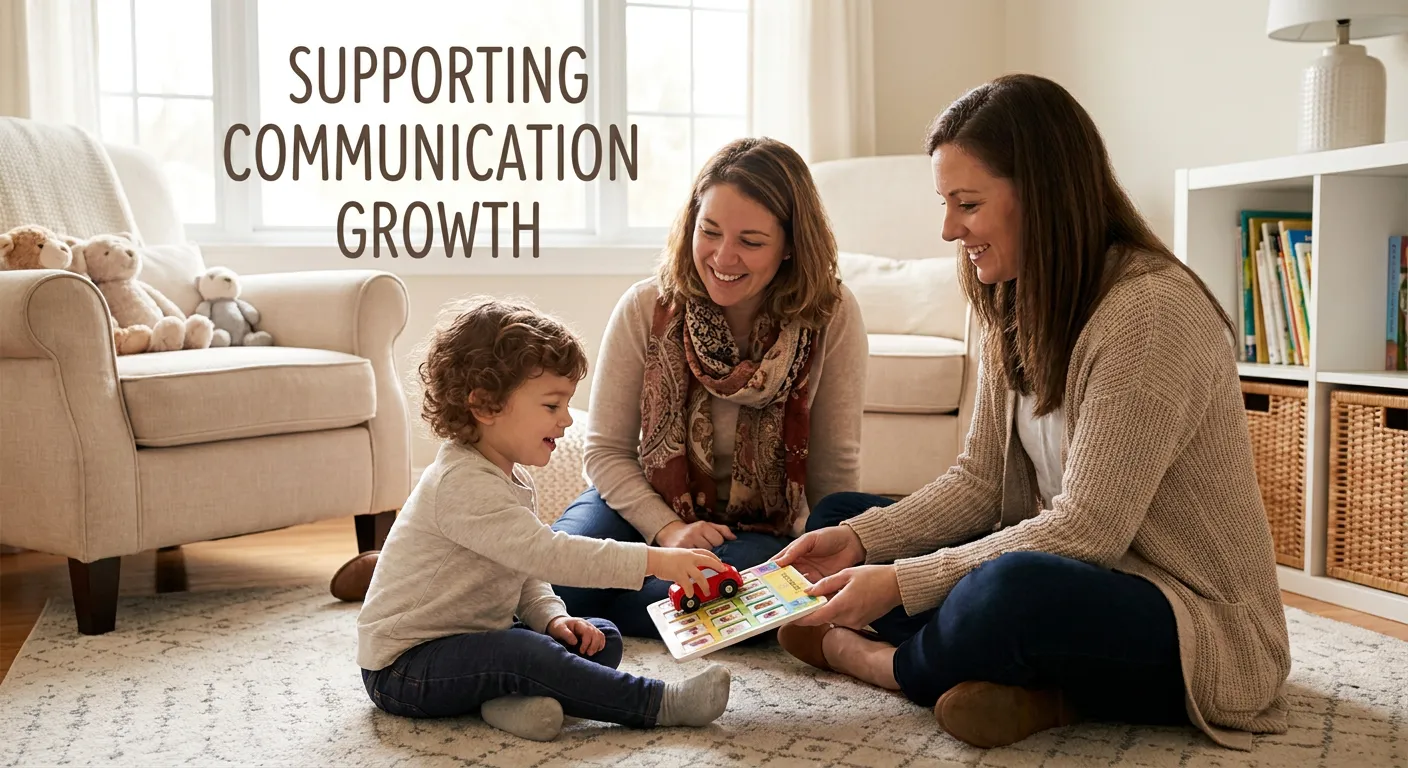

Communication is one of the most fundamental goals of ABA therapy for children with autism. Whether a child is just beginning to use words, relies on an augmentative communication device, or communicates primarily through behavior, ABA provides a structured framework for building functional communication skills.
Why communication is central to ABA
Verbal behavior — how we communicate to meet our needs, share information, and connect with others — is a core area of focus in applied behavior analysis. B.F. Skinner's analysis of verbal behavior, published in 1957, has been foundational to how ABA therapists approach language development.
This framework breaks communication down into functional categories: requesting preferred items (mands), labeling things (tacts), echoing words (echoics), and responding to others' language (intraverbals). By targeting each category systematically, therapists help children build a well-rounded communication repertoire — not just words, but the ability to use language purposefully.
Where therapy starts for minimally verbal children
For children who are not yet using words consistently, ABA programs typically begin by establishing a reliable way to communicate — often starting with a high-motivation request. The first goal might be as simple as a child pointing to a desired object, handing over a picture card, or activating a button on a speech-generating device.
The principle is to build communication from what the child is already motivated to do. Once a child learns that communicating gets results, the motivation to communicate expands.
Augmentative and alternative communication
Many children with autism benefit from augmentative and alternative communication (AAC) systems — tools that support or supplement spoken language. This might include picture exchange systems (like PECS), speech-generating devices, or apps on tablets.
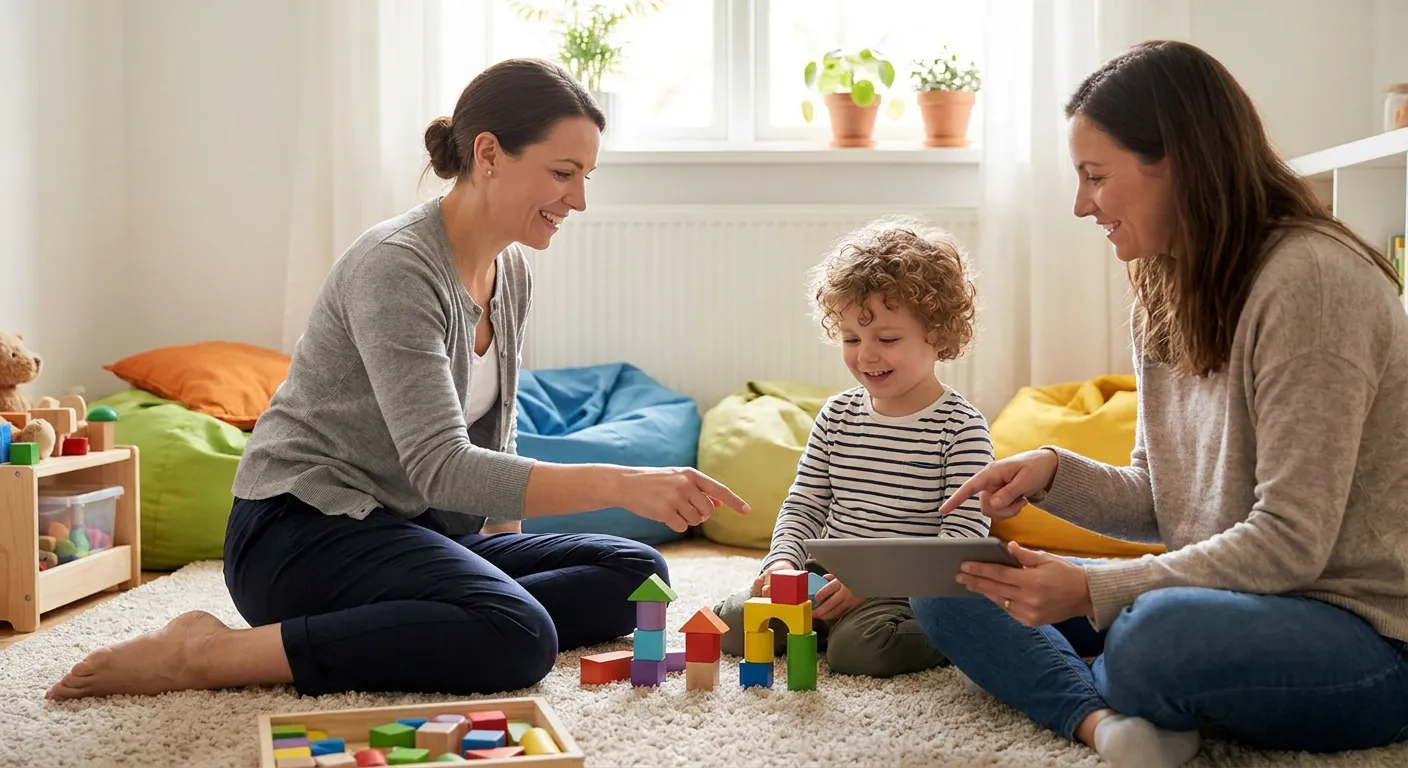
Good ABA programs integrate AAC into therapy rather than treating it as a separate concern. BCBAs who are comfortable with AAC tools can help families determine which system fits their child and build it systematically into the treatment plan.
As communication grows, goals evolve
Early communication goals focus on requesting and labeling. As children progress, the targets become more sophisticated: asking and answering questions, having reciprocal conversations, commenting on things they notice, and ultimately using language in flexible, social ways.
The data-driven nature of ABA allows clinicians to track exactly where a child's communication skills stand and identify precisely which targets need attention — preventing the common experience of children who "can talk" but struggle to have a real back-and-forth conversation.
What families can do at home
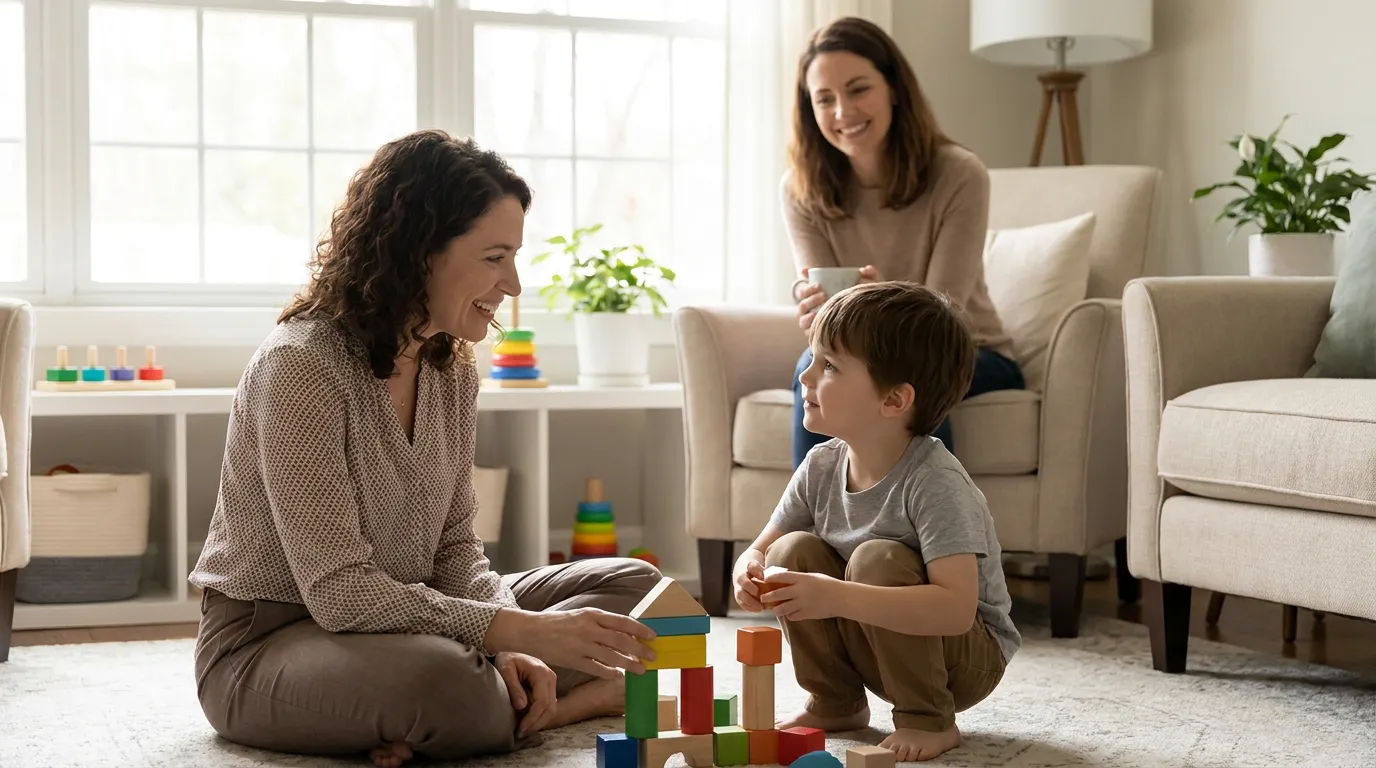
One of the most powerful things parents can do is create dense communication opportunities throughout the day. This doesn't require structured drills — it means pausing before giving a child what they want to create a communicative opportunity, narrating activities aloud, responding consistently to all communication attempts, and following the child's lead during play.
ABA therapists can coach families in these strategies during caregiver training sessions, making every mealtime, bath, and car ride a potential learning moment.
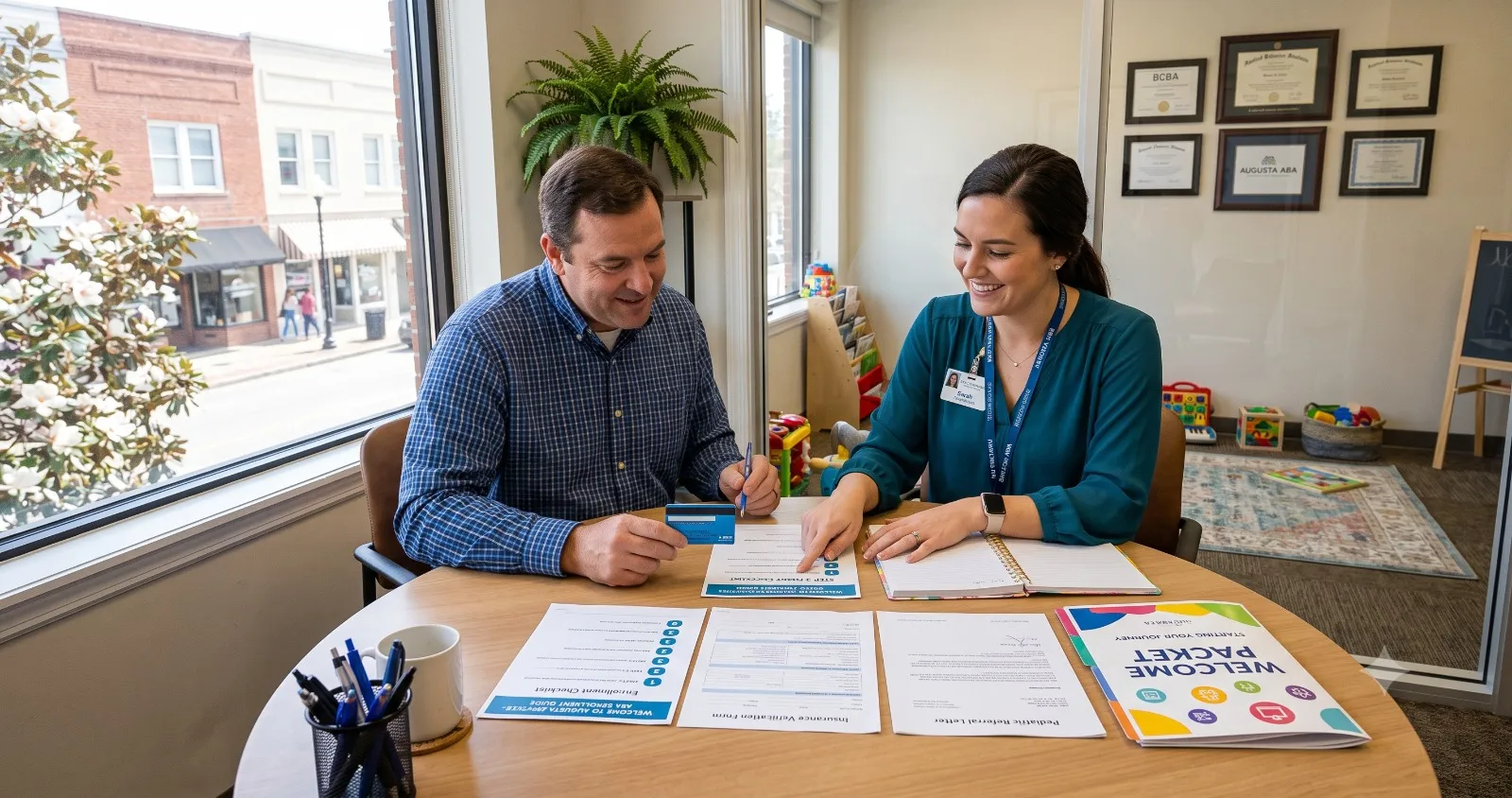
For families interested in learning more about how Samba ABA services approach communication development and other core ABA goals, their website provides an overview of their clinical model and how to get started.




























Sign in to leave a comment.