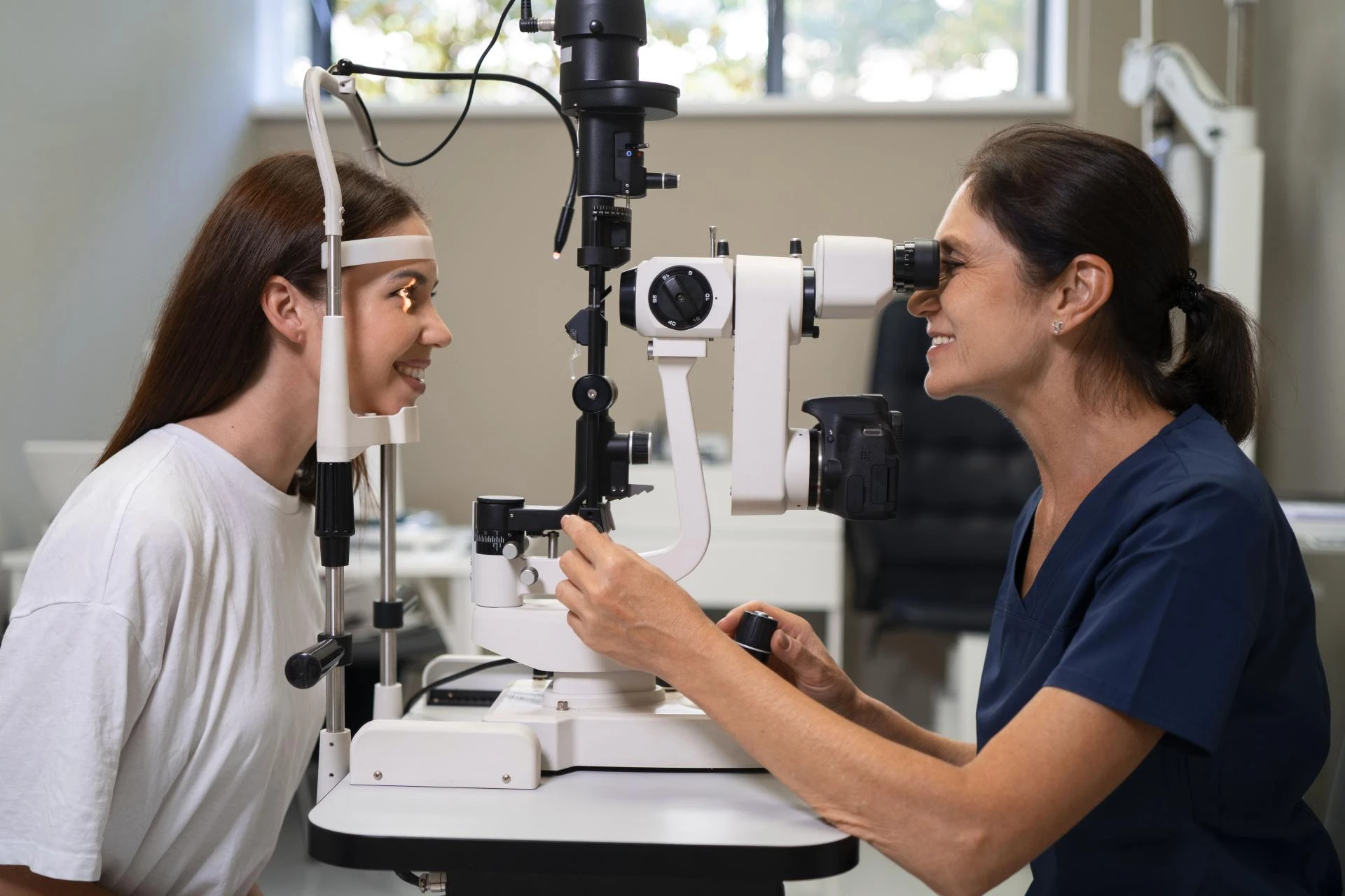

Eye care has evolved significantly with the introduction of modern diagnostic technologies. Among the most important developments in ophthalmology is the use of advanced magnification systems. These systems allow clinicians to observe the eye’s delicate structures with remarkable clarity, enabling more precise evaluations and improved diagnostic accuracy.
Because the eye contains extremely small and complex tissues, even minor structural changes can indicate the presence of a developing condition. Without adequate magnification, these subtle changes may go unnoticed during routine examinations. Advanced magnification systems make it possible to examine ocular tissues in detail, helping clinicians identify abnormalities early and provide appropriate treatment.
As modern eye care continues to progress, the role of magnification technology has become central to maintaining high clinical standards and delivering effective patient care.
The Importance of Precision in Eye Examinations
The human eye is composed of several intricate structures that work together to produce clear vision. These include the cornea, iris, lens, and other internal components that must remain healthy to maintain proper visual function.
Evaluating these structures requires precise observation techniques. Even slight irregularities in tissue structure or transparency can affect vision and may signal the beginning of an eye disorder. Accurate examination methods are therefore essential for detecting these changes before they lead to serious complications.
Advanced magnification systems enhance the clinician’s ability to observe these fine details, ensuring that potential problems are identified at an early stage.
Understanding Advanced Magnification Technology
Magnification technology works by enlarging the visual field, allowing clinicians to observe structures that would otherwise appear too small to analyze effectively. Combined with specialized lighting systems, magnification provides a clear and detailed view of ocular tissues.
This technology is particularly useful for examining transparent structures such as the cornea and lens. Because these tissues allow light to pass through them, proper illumination and magnification are necessary to reveal their internal features.
Modern ophthalmic equipment incorporates adjustable magnification levels, enabling clinicians to examine different areas of the eye with varying degrees of detail depending on the diagnostic requirement.
Improving Detection of Eye Conditions
Many eye diseases develop slowly and may initially present with only minor structural changes. Detecting these early signs is crucial for preventing long-term vision problems.
Advanced magnification systems help clinicians identify subtle abnormalities such as small corneal lesions, early lens opacities, or minor inflammatory changes. These issues may not be easily visible without enhanced visualization techniques.
By detecting these conditions early, practitioners can monitor the patient’s ocular health more closely and begin treatment before the disease progresses. Early diagnosis plays a major role in preserving vision and preventing complications.
Enhancing Corneal and Anterior Segment Evaluation
The cornea and other anterior eye structures are often the first areas examined during an eye evaluation. Because these tissues are exposed to environmental factors, they are particularly vulnerable to infections, injuries, and degenerative changes.
Advanced magnification systems allow clinicians to examine the corneal surface in detail, revealing even small irregularities that could indicate damage or disease. The ability to observe these structures closely improves diagnostic accuracy and supports effective treatment planning.
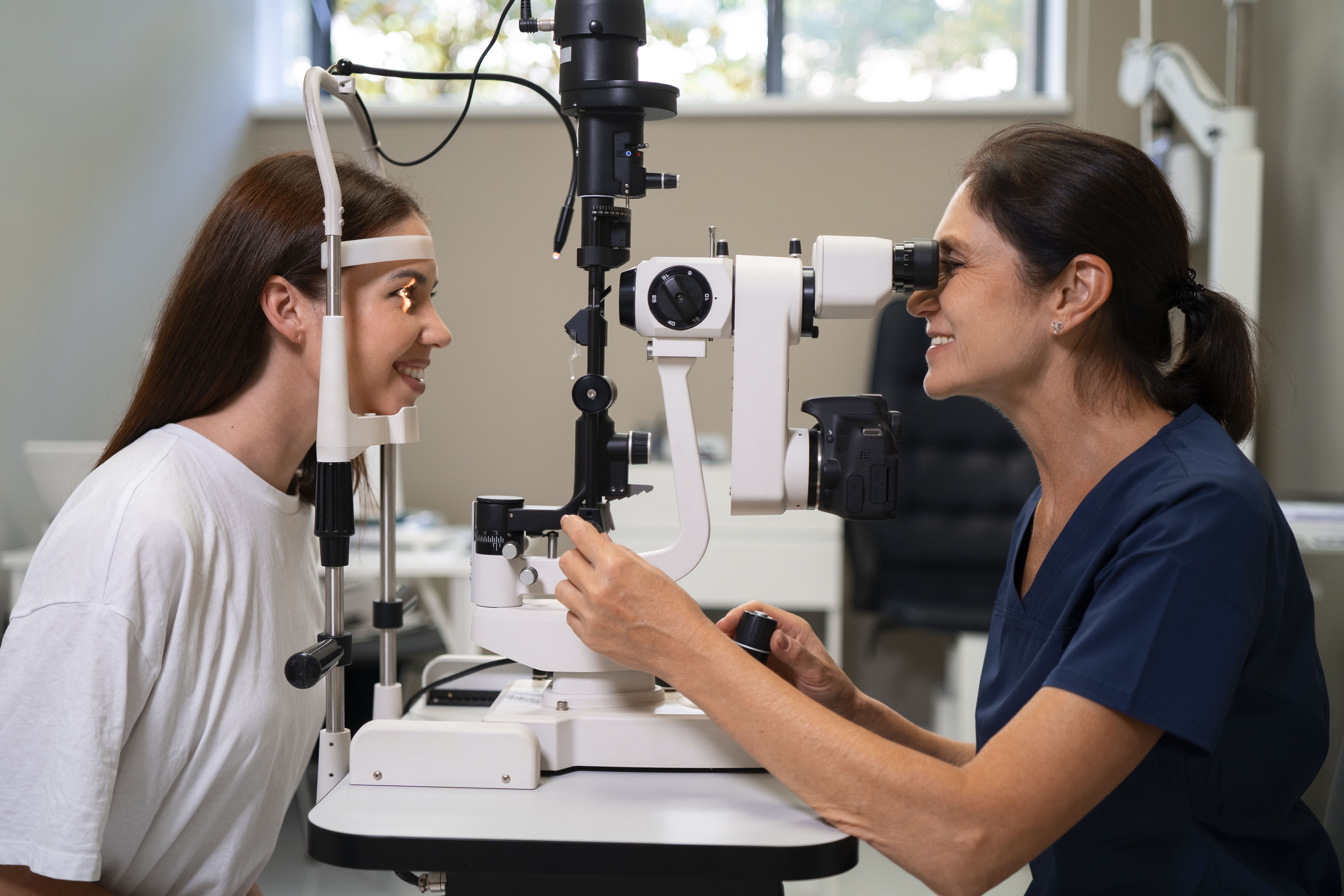
A slit lamp machine is widely used in ophthalmology for this purpose, providing magnified and illuminated views of the anterior segment so clinicians can carefully evaluate the cornea, iris, and lens during examinations.
Supporting Accurate Diagnosis and Treatment
Precise diagnosis is essential for successful eye care. When clinicians can clearly observe the structures of the eye, they are better equipped to determine the nature and severity of a condition.
Advanced magnification systems provide the visual detail needed to differentiate between similar eye conditions. For example, redness in the eye could be caused by infection, inflammation, or allergic reactions. Careful observation helps clinicians identify the underlying cause and select the most appropriate treatment.
Accurate diagnosis ensures that patients receive targeted therapy, improving the effectiveness of treatment and reducing the risk of complications.
Monitoring Eye Health Over Time
Many ocular conditions require ongoing monitoring to track their progression and evaluate treatment outcomes. Advanced magnification systems enable clinicians to observe changes in eye structures over time with great precision.
By comparing examination results from different visits, practitioners can determine whether a condition is stable, improving, or worsening. Even small changes in tissue structure can be detected with magnification, allowing clinicians to adjust treatment plans accordingly.
This continuous monitoring is essential for managing chronic eye conditions and ensuring long-term vision health.
Improving Clinical Efficiency
In addition to enhancing diagnostic accuracy, advanced magnification systems also improve the efficiency of eye examinations. Clear visualization allows clinicians to identify abnormalities more quickly, reducing the time required for each evaluation.
Efficient examinations help clinics manage larger patient volumes while maintaining high standards of care. Patients benefit from shorter waiting times and faster diagnosis, while clinicians can focus more on patient communication and treatment planning.
Modern ophthalmic equipment is designed to balance speed and precision, ensuring that both efficiency and diagnostic quality are maintained.
Strengthening Patient Understanding
Magnified views of ocular structures can also help patients better understand their eye health. When clinicians explain findings using detailed observations, patients gain clearer insight into their condition.
Understanding the nature of a problem encourages patients to follow treatment recommendations and attend regular follow-up appointments. Educated patients are more likely to participate actively in maintaining their eye health.
Effective communication supported by clear visualization strengthens the relationship between clinicians and patients, leading to better healthcare outcomes.
Advancing the Future of Eye Care
Technological innovations continue to shape the future of ophthalmology. Advanced magnification systems are constantly evolving to provide even greater levels of precision and clarity.
New developments in imaging technology, digital integration, and optical engineering are helping clinicians perform more comprehensive eye examinations than ever before. These innovations support the ongoing improvement of eye care standards worldwide.
As ophthalmic technology continues to progress, advanced magnification will remain a key component of accurate diagnosis and effective treatment.
Conclusion
Advanced magnification systems have become an essential part of modern eye care. By providing clear and detailed views of the eye’s delicate structures, these systems enable clinicians to detect abnormalities early, make accurate diagnoses, and monitor treatment progress effectively.
From evaluating corneal health to identifying early signs of lens disorders, magnification technology significantly enhances the quality of eye examinations. It supports both diagnostic precision and clinical efficiency, ensuring that patients receive the highest standard of care.
As technology continues to advance, the role of advanced magnification systems in ophthalmology will remain vital for improving eye care standards and protecting long-term vision health.




























Sign in to leave a comment.